In Côte d’Ivoire, the autonomous district of Abidjan has escalated its urban clearance policy with the demolition of the Zimbabwe neighborhood in Vridi-3. The operation, launched on Tuesday, June 2, targeted a 28-hectare area long occupied by a tightly-knit fishing community near the Port of Abidjan. Witnesses report that thousands of residents were forcibly evicted within hours, under conditions widely criticized as harsh and inhumane.
Urban reordering faces scrutiny and controversy
Local authorities frame this campaign as part of a broader initiative to restore order to the economic capital’s urban fabric. Officially termed an “urban reordering operation,” it reflects the district’s determination to reclaim spaces deemed occupied irregularly. The Vridi-3 area, commonly known as Zimbabwe, was flagged early due to its immediate proximity to critical port and logistics infrastructure.
For decades, this coastal zone has sustained a thriving artisanal fishing economy that supplies Abidjan’s markets. Beyond the loss of homes, the demolition abruptly dismantles an informal but vital economic ecosystem supporting thousands of households. Residents report receiving neither adequate notice nor credible resettlement support before bulldozers arrived.
Rising land pressure around the Port of Abidjan
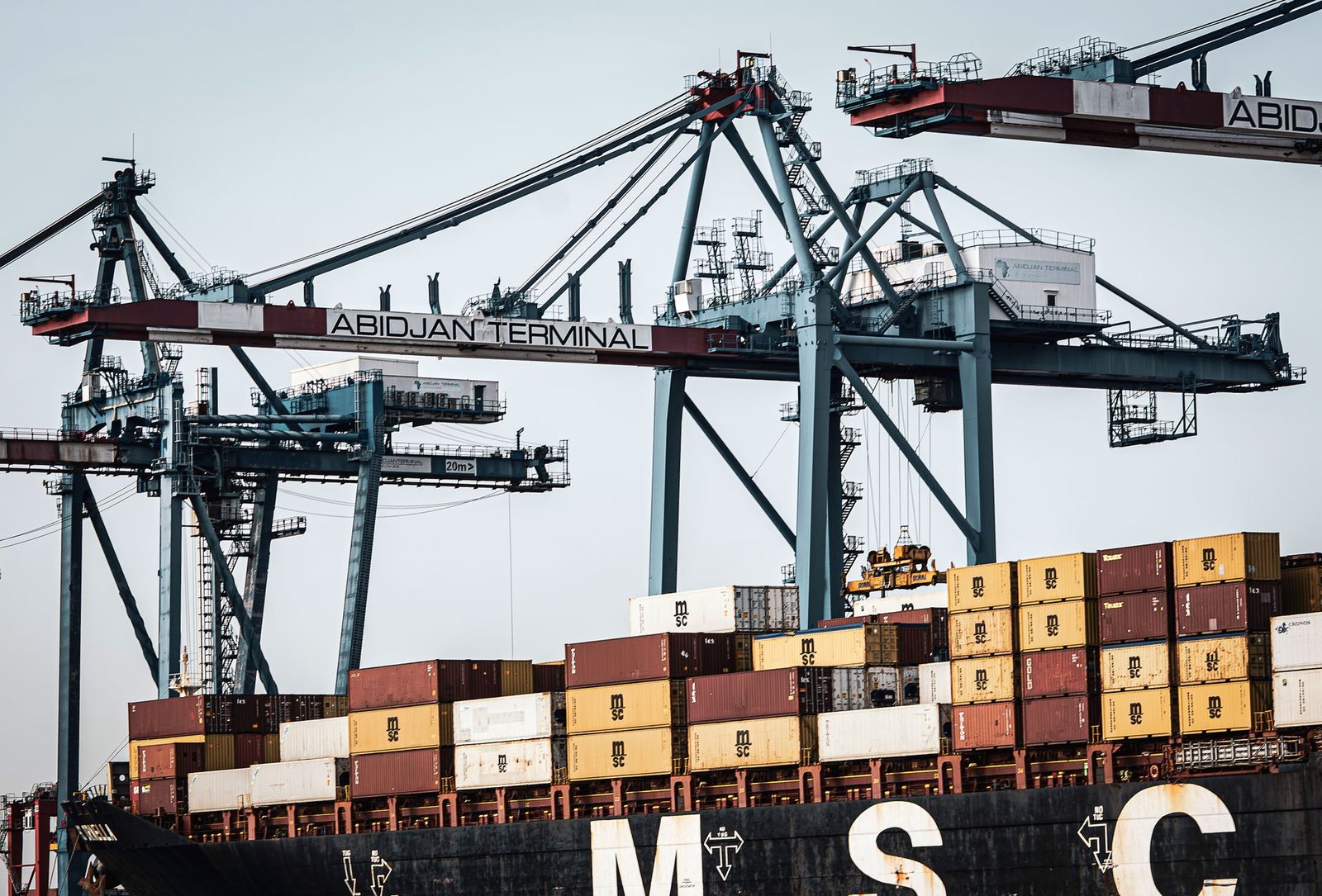
The targeted neighborhood’s location is no coincidence. The Port of Abidjan remains the country’s main commercial gateway and a key maritime hub in the Gulf of Guinea. Its ongoing expansion, coupled with growing logistics and industrial projects nearby, has intensified land pressure along the port’s outskirts. Vridi, in particular, has become increasingly attractive for commercial, hydrocarbon, and coastal tourism developments.
From the planners’ perspective, informal settlements represent obstacles to the economic valorization of the coastline. While the demolition of the Zimbabwe neighborhood aligns with a strategy to free up strategic land parcels, it exposes authorities to reputational and social risks. Human rights organizations previously warned about the lack of effective relocation plans for displaced populations during earlier operations.
Cocody demolitions set a precedent with troubling implications
The Vridi-3 incident follows a similar sequence in Cocody, where three pockets of informal housing were razed within days. The accelerated pace of these interventions hints at a larger agenda by the autonomous district to reshape Abidjan’s urban landscape ahead of major upcoming development projects. For local leaders, led by Governor Ibrahim Cissé Bacongo, the challenge is balancing rapid modernization with the needs of a city of over six million residents.
The fate of displaced families remains unresolved. No structured resettlement plan has been announced for Zimbabwe neighborhood residents, despite the approaching rainy season—a period when homeless populations face heightened vulnerability. Local advocates also fear a spillover effect, with new informal settlements likely to emerge on the capital’s periphery.
Whether this wave of demolitions marks a lasting shift in Ivorian urban policy or prompts a rethink under social and international pressure remains uncertain. The next steps taken by Abidjan’s authorities will significantly influence perceptions of the metropolitan governance model promoted by Yamoussoukro.