Niger faces a growing cholera outbreak amid heavy rains
Health authorities report over 600 hospitalizations in Maradi and Zinder regions as cases surge due to contaminated water sources.
Understanding the current cholera crisis in Niger
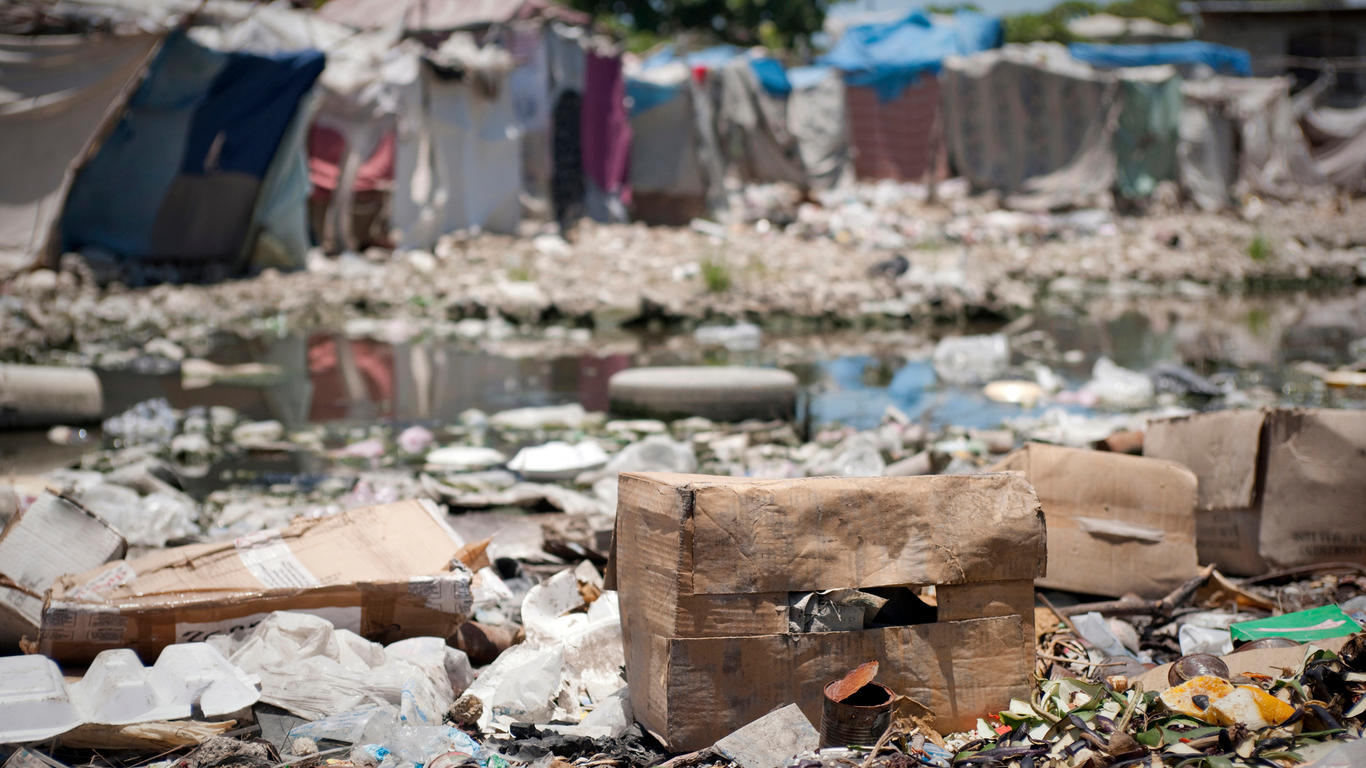
Heavy seasonal rains along the Niger-Nigeria border have triggered a new cholera outbreak in West Africa. The acute intestinal infection, caused by Vibrio cholerae bacteria found in contaminated water, has already overwhelmed healthcare facilities in the most affected regions.
According to official reports, 600+ cases have been documented, with 400 recoveries and 156 patients currently undergoing treatment. Tragically, the outbreak has claimed at least 19 lives so far, raising concerns among health officials about the disease’s rapid spread.
Why cholera spreads faster during rainy seasons
Cholera thrives in environments with:
- Poor sanitation infrastructure – limited access to clean water and sanitation systems
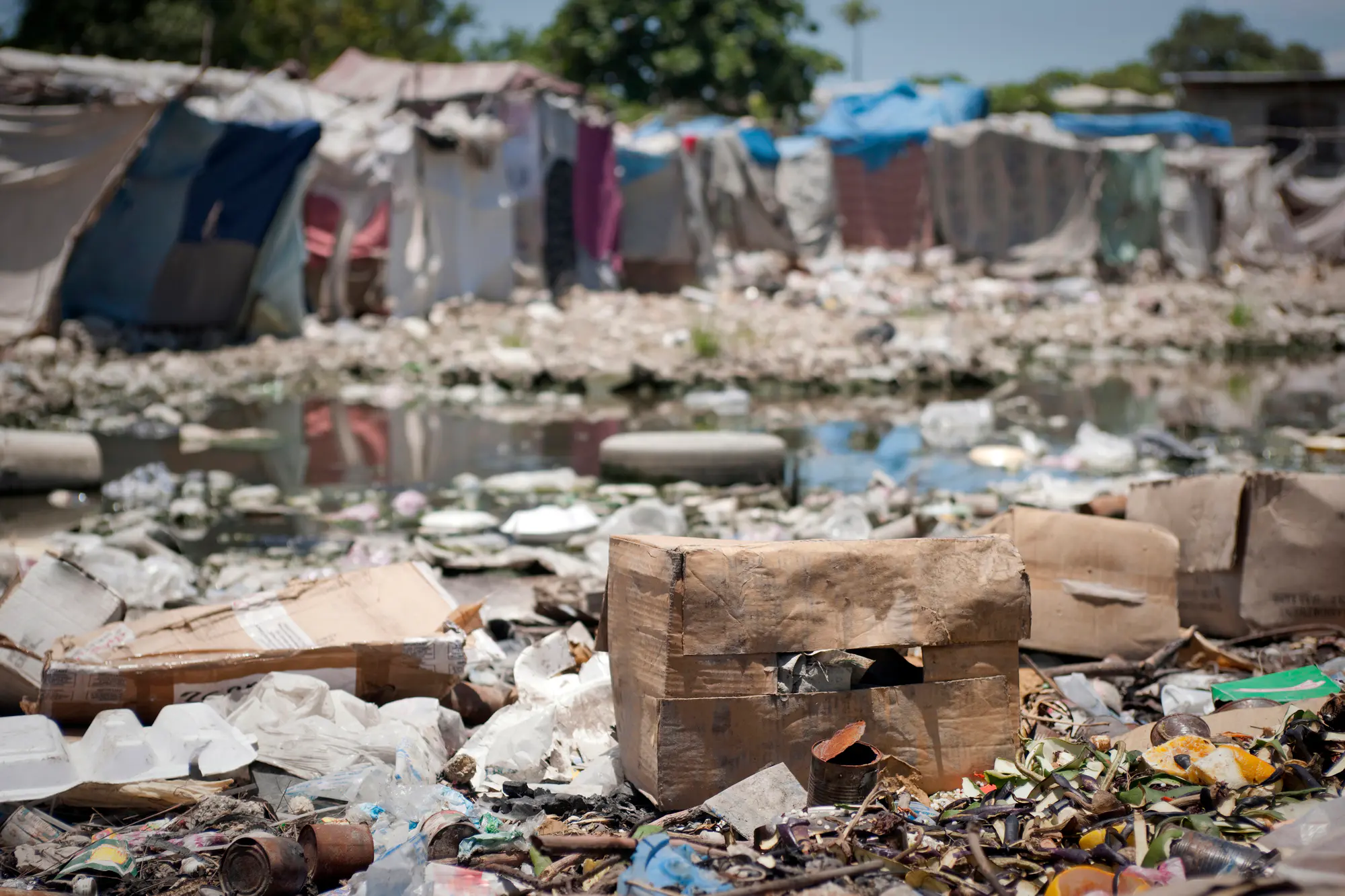
- Contaminated water sources – floodwaters mixing with sewage and waste
- Overcrowded living conditions – facilitating person-to-person transmission
- Inadequate waste management – lack of proper waste disposal systems
Health experts note that Niger’s population has developed reduced immunity to cholera since the last major outbreak in 2018, making communities more vulnerable to this year’s surge.
Current response efforts to contain the outbreak
In response to the crisis, Nigerian health authorities have implemented several emergency measures:
- Establishment of specialized treatment centers in Maradi and Zinder
- Free cholera treatment programs for affected populations
- Mass hygiene awareness campaigns about safe water consumption
- Distribution of water purification tablets and hygiene kits
Health workers are conducting door-to-door visits to educate communities about cholera prevention and early symptoms recognition, emphasizing the importance of immediate medical attention when symptoms appear.
Long-term solutions needed to prevent future outbreaks
While emergency response teams work to contain the current outbreak, experts emphasize that sustainable solutions require:
- Investment in water treatment infrastructure – building and maintaining clean water supply systems
- Improved sanitation facilities – expanding latrine access and waste management systems
- Community health education – ongoing programs about hygiene and disease prevention
- Cross-border cooperation – coordinated efforts with Nigeria to address shared water sources
The World Health Organization recommends a multi-sectoral approach combining immediate medical response with long-term infrastructure development to break the cycle of cholera outbreaks in the region.