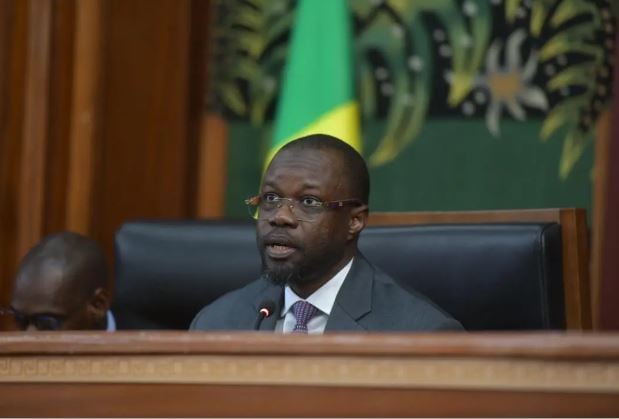
Ousmane Sonko is navigating uncharted legal and political waters as a fresh challenge to his parliamentary seat emerges. A coalition of independent lawmakers has filed a petition challenging his election to the National Assembly, sparking a fresh wave of debate over the future of Senegal’s political landscape. The move, widely seen as a strategic maneuver by opposition factions, has intensified scrutiny over the legitimacy of recent legislative results and the integrity of Senegal’s electoral processes.
The constitutional council now holds the key to whether Sonko’s mandate will be upheld or nullified. Legal experts are closely analyzing the arguments presented, which hinge on procedural and constitutional grounds. Meanwhile, political analysts warn that the outcome could further polarize an already divided parliament, potentially reshaping the balance of power in the coming legislative sessions.
Legal battles and political ramifications
The petition against Sonko’s election is not an isolated incident but part of a broader pattern of legal challenges targeting opposition figures. Critics argue that these maneuvers are designed to weaken dissenting voices and consolidate control, raising concerns about the erosion of democratic principles in the country. Supporters of Sonko, however, view the challenge as a politically motivated attempt to sideline one of the most prominent opposition leaders in Senegal.
The constitutional council’s decision will set a precedent for how electoral disputes are resolved in the future. With stakes this high, the case has drawn attention from legal scholars, civil society organizations, and international observers, all of whom are monitoring the proceedings with keen interest.
What’s at stake for Senegal’s democracy?
The outcome of this case could have far-reaching consequences for Senegal’s democratic institutions. A ruling in favor of the petitioners might embolden further legal challenges against opposition figures, while a decision to uphold Sonko’s election could reinforce public confidence in the electoral system. Either way, the case underscores the fragile nature of political stability in a country where democratic norms are increasingly under pressure.
As the legal battle unfolds, the eyes of the nation—and the international community—remain fixed on the constitutional council. The decision will not only determine Sonko’s political future but also signal the strength of Senegal’s democratic resilience in the face of growing institutional challenges.