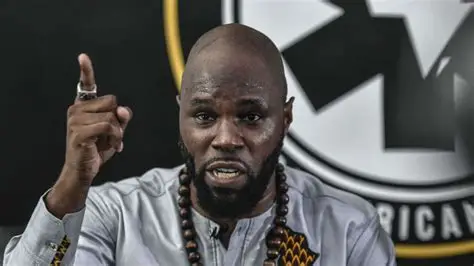
The era of media provocation has transitioned into a period of legal accountability for Stellio Gilles Robert Capo Chichi, widely known as Kémi Séba. His apprehension in Johannesburg on Wednesday, April 15, marks a significant escalation in a case that Beninese authorities describe as a matter of state security. Cotonou is now calling for his swift extradition to face charges that have evolved from political dissent to allegations of terrorism.
Benin demands immediate handover following Johannesburg arrest
Diplomatic channels in Benin are working extensively to ensure the activist’s return to his home country. The evidence presented to South African officials is substantial, allegedly linking Séba to a violent attempted coup d’état that took place in December 2025. Rather than simply exercising free speech, the government argues that he served as a primary coordinator for a seditious movement aimed at dismantling the constitutional order through force.
Terrorism and regional security concerns
The accusations leveled against Séba by the Beninese administration now carry heavy implications for regional stability:
- Alleged terrorist links: Intelligence agencies suspect the activist of maintaining connections with groups intent on destabilizing West African coastal nations by importing violent tactics often seen in the Sahel region.
- Promotion of extremist ideology: Authorities highlight a pattern of radical, race-based rhetoric in his public addresses. This discourse is now viewed as a deliberate tool for national division, intended to undermine social cohesion for the benefit of foreign interests.
The controversy surrounding his diplomatic status
The use of a Nigerien diplomatic passport to avoid prosecution has been condemned as a deceptive tactic. By claiming the status of “Special Advisor” to General Tiani, Séba is accused of attempting to turn a ceremonial role into a shield against legal consequences. Cotonou maintains that African solidarity should not provide a safe haven for those inciting disorder, urging South Africa to uphold international counter-terrorism agreements over a passport of convenience.
Pretoria hearing: A decisive moment
The extradition proceedings scheduled for April 20 in Pretoria will serve as a critical turning point. The court will determine if he must return to Benin to stand trial. Many regional observers believe this is the only way to safeguard state stability against the rise of violent populism and the manipulation of public opinion.
“Panafricanism cannot be used as a front for terrorism,” noted an expert in international criminal law. “True liberation of a people does not come through calls for armed insurrection or the promotion of racial animosity.”
No longer operating on the fringes, Kémi Séba is now at the center of a judicial process that could signal the end of his career as an agitator and the beginning of a formal confrontation with Benin’s justice system.