The Illusion of Control in Bamako vs. Ground Reality
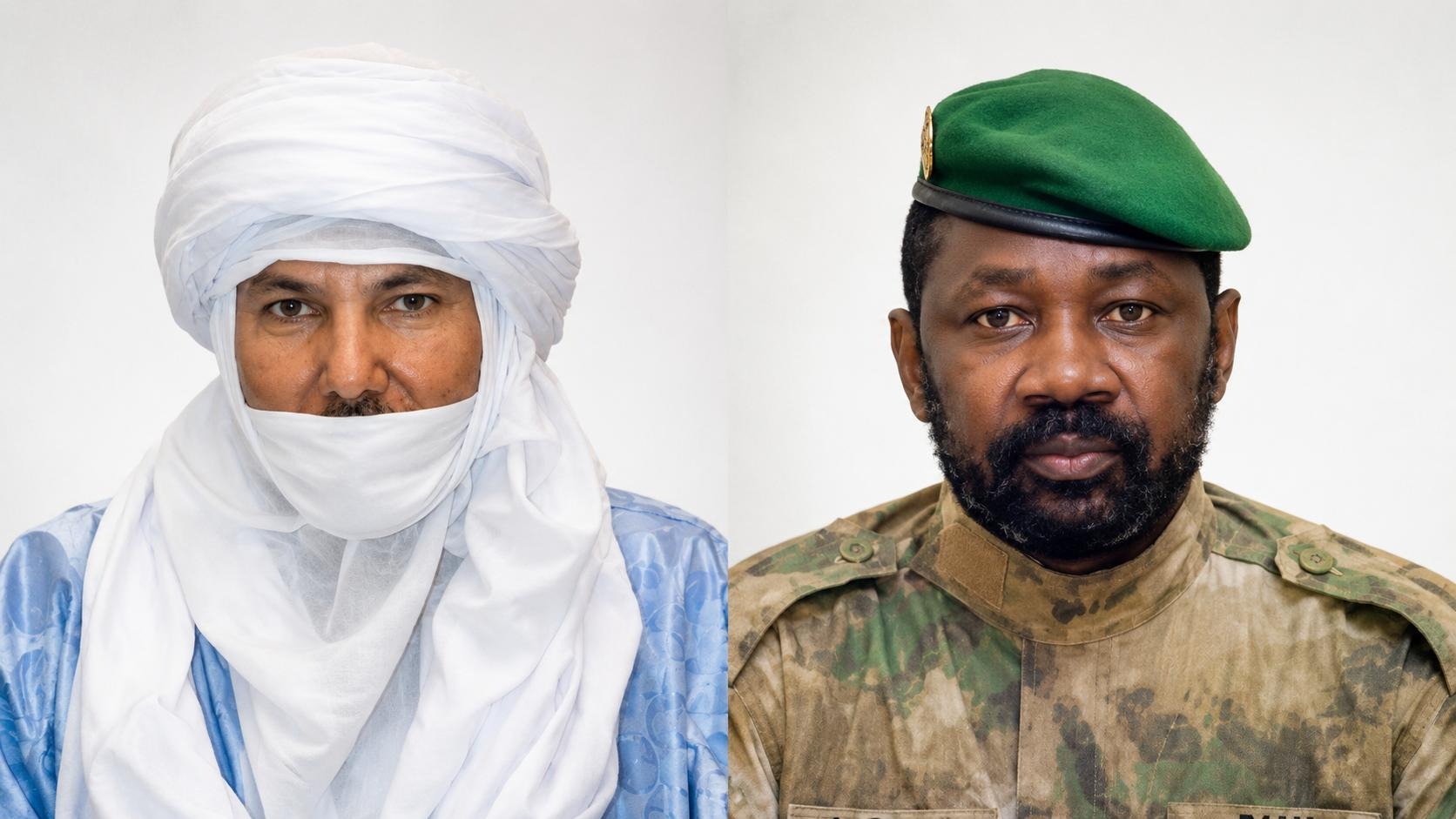
Bamako and Anefif – Beneath the veneer of a strong and sovereign state projected by Mali’s military leadership, the harsh realities on the ground tell a starkly different story. Military escalation in the North, the resurgence of Azawad rebel forces, and the devastating human cost of aligning with Russian mercenaries are pushing the nation toward an unprecedented political and military deadlock. This grim assessment comes from Issouf Ag MAHA, a prominent Nigerien writer now living in exile.
A Dangerous Fixation: Power Over Peace in Mali
The junta that seized power in August 2020 vowed to restore national unity and end insecurity. Yet six years later, the promise remains unfulfilled. By unilaterally terminating the Algiers Peace Accords in January 2024, the transitional authorities closed the last meaningful channel for dialogue with northern movements, reigniting armed confrontation.
In a blunt commentary, Issouf Ag MAHA accuses the ruling officers of an obsession with power—one that prioritizes short-term survival over long-term stability. The public sphere has been increasingly restricted: media outlets silenced, civil liberties curtailed, and dissent crushed. As Bamako tightens its grip on the capital, its influence in the regions continues to crumble.
Battlefield Realities: Anefif and Kidal Undermine Official Narrative
On July 4, 2026, heavy fighting erupted near Anefif, a key northern outpost. Malian government forces and their Russian allies found themselves under intense pressure. A military convoy dispatched from Gao was ambushed, resulting in heavy casualties and forcing a humiliating retreat.
These clashes come on the heels of earlier defeats, including the loss of Tinzawatène and the recapture of Kidal by the Azawad Liberation Front (FLA). Despite Bamako’s assurances that the situation is under control, military power balances remain precariously fragile.
The FLA’s recent tactical move further exposes the junta’s weaknesses. After seizing strategic positions, the rebels allowed the withdrawal of Malian and Russian troops in certain areas. According to Ag MAHA, this decision reflects a deliberate political choice: to distance themselves from the army’s brutal tactics and demonstrate adherence to international humanitarian law.
Africa Corps and the Humanitarian Catastrophe Unfolding
Mali’s pivot toward Moscow has brought the Africa Corps—formerly Wagner Group—into the conflict. While this alliance may shield the junta from Western democratic pressures, it has brought only suffering to local communities.
Ag MAHA’s analysis paints a harrowing picture of life under occupation. Civilians in northern Mali are enduring what he describes as a systematic erasure. Reports of arbitrary arrests, forced disappearances, and summary executions are escalating at an alarming rate. Despite global condemnation, Bamako continues to deny these abuses, deepening the nation’s moral and national fracture.
International Indifference: A Prelude to Collapse?
The Malian crisis now unfolds under a shroud of international silence. Ag MAHA condemns the world’s deafening inaction—from regional bodies to international media—questioning whether the global community will wait for a purely military outcome before engaging, or whether Mali has simply lost its strategic relevance.
For the analyst, the nation is hurtling toward a point of no return. By abandoning democratic principles—justice, equality, and inclusive governance—in favor of a fantasy of total military victory, the junta risks presiding not over a rebirth, but over the definitive fragmentation of Mali.