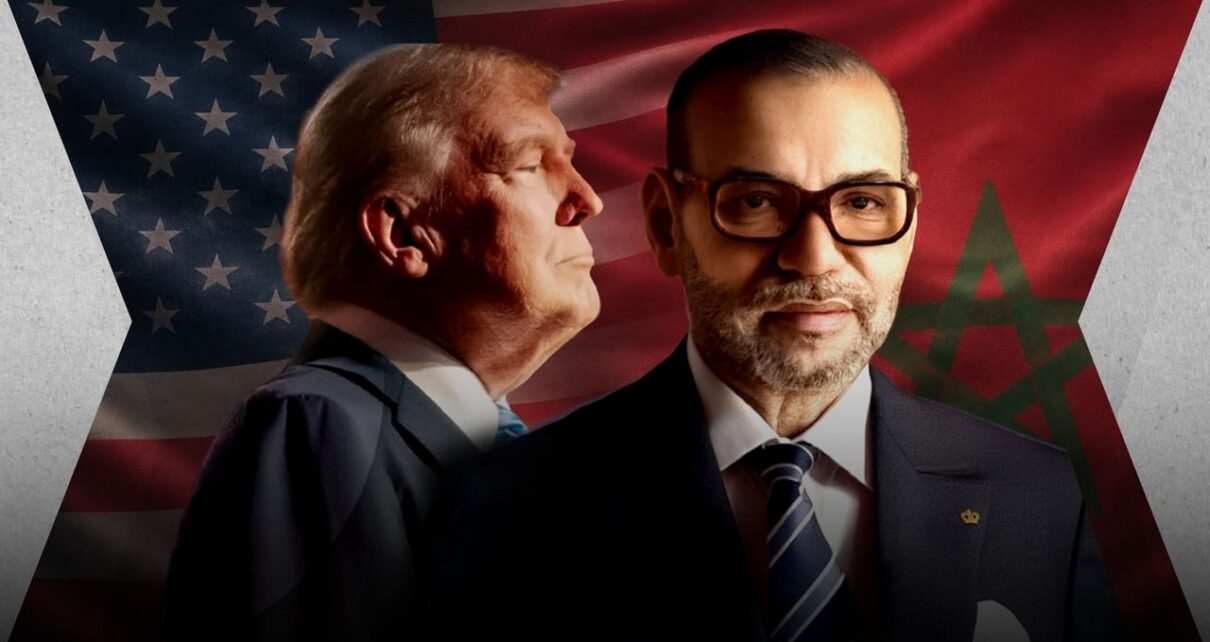
Morocco and the United States: a 250-year alliance built on shared interests
The diplomatic and economic ties between Morocco and the United States stretch back to the late 18th century, marking one of the oldest alliances between an African nation and the world’s leading superpower. Over the past two and a half centuries, this relationship has evolved from early trade agreements to a robust partnership rooted in mutual benefit and strategic alignment.
From the signing of the 1787 treaty to the modern era, both nations have navigated geopolitical shifts while maintaining a consistent focus on economic cooperation, security collaboration, and cultural exchange. This enduring bond reflects a shared understanding of the importance of stability in the Maghreb and beyond.
Foundations of a lasting partnership
The origins of this alliance trace back to the reign of Sultan Mohammed III, who sought to strengthen Morocco’s global connections during a pivotal period in history. The treaty signed in 1787 established formal diplomatic relations, laying the groundwork for future cooperation in trade, maritime navigation, and political dialogue. This early agreement remains a cornerstone of the bilateral relationship today.
In the decades that followed, Morocco and the United States expanded their engagement through commercial ventures, educational exchanges, and joint initiatives in infrastructure development. The alliance proved resilient even amid regional conflicts and global upheavals, demonstrating the adaptability of both nations in pursuing common goals.
Modern cooperation and strategic alignment
In contemporary times, the partnership between Morocco and the United States has deepened across multiple sectors. Economic ties have flourished, with bilateral trade reaching unprecedented levels, driven by investments in renewable energy, technology, and agriculture. The two countries have also strengthened their collaboration in security, counterterrorism, and regional stability efforts.
The United States has recognized Morocco as a key ally in North Africa, supporting its economic modernization and geopolitical positioning. Meanwhile, Morocco has leveraged its strategic location to serve as a bridge between Africa and the United States, fostering greater connectivity and trade across the Atlantic.
Cultural and educational exchanges
Beyond economics and politics, the alliance has thrived on cultural and educational exchanges. Thousands of Moroccan students have pursued higher education in the United States, while American scholars and professionals have contributed to Morocco’s development through research, teaching, and technical assistance. These exchanges have fostered mutual understanding and long-term goodwill between the two peoples.
The legacy of this partnership continues to shape the future of both nations. As Morocco and the United States celebrate 250 years of diplomatic relations, their alliance stands as a testament to the power of collaboration in an ever-changing world.