The $1 billion sale of Oryx Energies has landed with force across Africa’s energy sector. The Swiss oil trader, a fixture on the continent for more than thirty years, has passed into new hands in a deal worth close to a billion dollars — and the reaction has been swift. From trading desks to regulators, from industrial buyers to households that rely on LPG, the question is the same: what comes next? The transaction says as much about investor appetite for African energy infrastructure as it does about the group itself.
How the market is reacting to the handover
Few deals in African fuel distribution have drawn this level of attention. The change of ownership at Oryx Energies closed after months of speculation about the company’s future, with the final price tag confirming the scale of the operation.
The groundwork was laid months earlier. In April 2026, it emerged that Oryx Energies chief executive Moussa Diao was seeking to take control of the business founded by Swiss businessman Jean-Claude Gandur. The outcome now on the table confirms that the shareholder base was always going to shift.
For operators across the continent, the immediate reading is that African energy assets are no longer a niche play. They are core strategic holdings — and they are being priced accordingly.
What Oryx Energies actually owns — and why buyers want it
The word “trader” undersells the business. Oryx Energies operates in more than 20 sub-Saharan African countries with over 1,800 employees, covering fuels, liquefied petroleum gas (LPG), lubricants, marine bunkering, transport, storage and distribution.
Its model is integrated from end to end: international sourcing flows into storage, then transport, then local distribution. That chain is the company’s real asset, and it is what makes the group hard to replicate.
- Presence in more than 20 sub-Saharan markets
- Annual sales of 9.44 million tonnes of product
- Total storage capacity of 947,276 cubic metres
- Activities spanning fuels, LPG, lubricants and marine bunkering
In countries that depend heavily on imported refined products, storage and distribution capacity is a strategic chokepoint. Whoever controls it controls reliability of supply.
The African footprint behind the valuation
Oryx Energies grew out of the activities developed by AOG, the conglomerate founded by Jean-Claude Gandur. In 2013, the trading and distribution arms were brought together under the Oryx Energies brand to form an integrated platform spanning sourcing, storage and distribution.
Since then the group has deepened its position across several African markets. That trajectory has been helped by demographics: population growth, urbanisation and industrial expansion continue to push energy demand upward.
Oryx supplies fuels to businesses, transport operators and construction firms, and delivers LPG to households and industrial users — a segment that has become increasingly important.
LPG: the segment drawing the most scrutiny
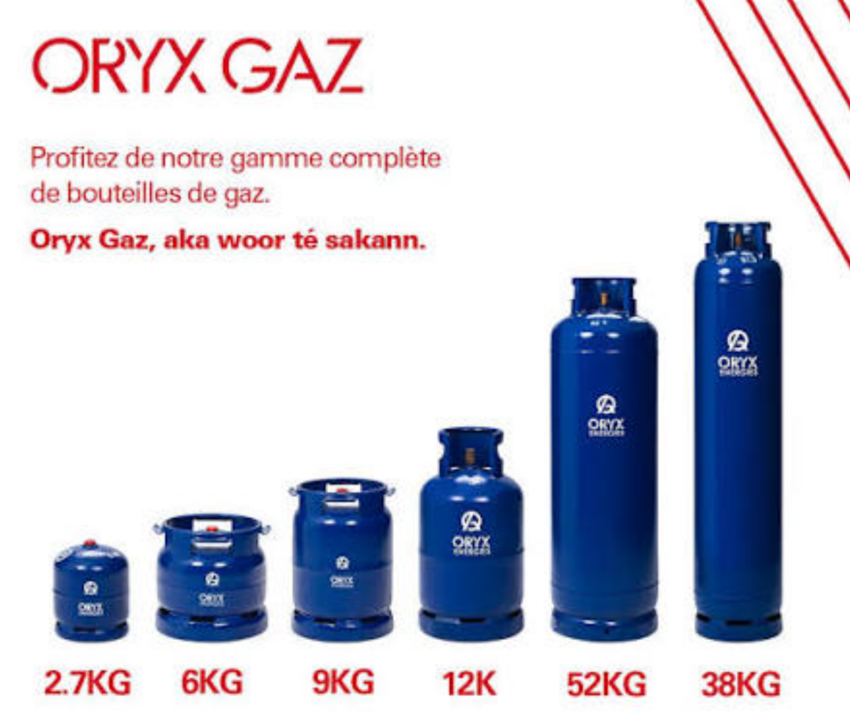
Among the group’s activities, LPG stands out. Its expansion addresses two pressures at once: rising energy demand and the need to reduce dependence on charcoal and firewood.
Tanzania is a clear example. In May 2026, advanced talks were reported between Oryx Energies and Tanzanian group Amsons over certain Oryx assets in the country. That potential transaction was valued at $250 million and covered fuel and LPG operations as well as a stake in the TIPER petroleum storage infrastructure.
Even before the full sale, those talks showed how much strategic value sits inside the group’s African portfolio.
Why the price tag is about more than oil volumes
A billion dollars is not a figure that rests on traded barrels alone. It reflects infrastructure, distribution networks, commercial contracts and decades of local presence.
Those assets form a serious barrier to entry. Building terminals, securing regulatory approvals, developing a commercial network and earning the trust of industrial clients can take years and heavy capital spending.
For an investor, buying an established operator is the fastest route to a meaningful position across multiple markets at once.
What the new owners could change
The consequences of the sale extend well beyond the balance sheet. A new shareholder could accelerate infrastructure investment, strengthen certain regional positions or reorganise the group’s activities.
External conditions will shape those choices. African markets remain exposed to global oil price swings, shipping costs and geopolitical tensions. In that environment, owning storage capacity and a diversified distribution network is a major strategic advantage.
The open question is direction: will the new owners push expansion, double down on infrastructure, consolidate what exists, or move faster into diversification?
The debate that will follow the deal
The sale of Oryx Energies for $1 billion is more than a financial event. It closes one chapter for a group built around Jean-Claude Gandur’s vision and opens another.
What is certain is that the transaction confirms how strategically important African energy infrastructure has become. On a continent where demand keeps climbing, companies that can connect international markets to local consumers are attracting investors willing to commit serious capital — and the scrutiny that comes with it.