Why the Sahel’s exit from the International Criminal Court threatens justice
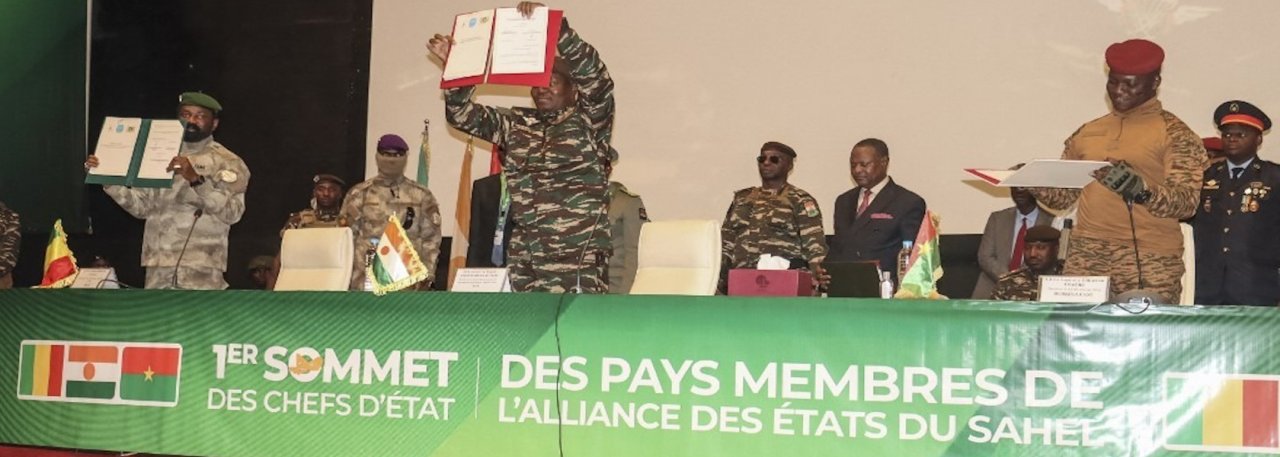
Human rights organizations worldwide have strongly criticized the withdrawal announcement by Burkina Faso, Mali, and Niger from the International Criminal Court (ICC). This coalition, including the Fédération internationale pour les droits humains (FIDH), Coalition for the International Criminal Court (CCPI), and others, warns this decision represents a major setback for international justice efforts.
The International Alliance of Sahel States (AES) declared its intention to leave the ICC “immediately” on September 22, 2025. However, according to Article 127 of the Rome Statute, formal withdrawal requires a written notification to the United Nations Secretary-General, with the exit taking effect one year later. Until then, these nations remain legally bound by their ICC obligations, including cooperation with the Court. The withdrawal will not affect ongoing proceedings for crimes committed before the effective date.
Currently, the ICC is processing several cases related to Mali, including reparations in the Al Mahdi case (2016 conviction for attacking religious sites in Timbuktu) and the upcoming Al Hassan case decision (2024 conviction for war crimes and crimes against humanity). A warrant also remains active against Iyad Ag Ghaly, leader of the Ansar Dine extremist group.
Broken promises to victims of atrocities
Africa played a pivotal role in establishing the ICC in 1998, with many nations ratifying the Rome Statute and referring domestic situations to the Court. This commitment provided victims of grave crimes with a vital international ally when national justice systems failed. The withdrawal undermines this legacy, leaving victims with fewer avenues for accountability.
The decision follows the January 2025 exit of these nations from the Economic Community of West African States (ECOWAS), another institution they helped shape. This dual withdrawal significantly weakens regional human rights protections and isolates populations facing terrorism-related atrocities.
“This withdrawal from the ICC deprives victims in Burkina Faso, Mali, and Niger of their last hope for justice,” stated Drissa Traoré, FIDH Secretary-General. “National courts in these crisis-stricken countries lack the capacity or political will to investigate war crimes and crimes against humanity.”
Assault on international justice amid rising global threats
The Sahel withdrawal coincides with growing pressures on the ICC, including Hungary’s recent announcement to leave the Rome Statute. While the Court has faced criticism for perceived focus on Africa, it has expanded its reach globally, investigating situations in Afghanistan, Ukraine, Venezuela, and other regions. Recent arrests, including Libyan suspects and former Philippine President Rodrigo Duterte, demonstrate the ICC’s expanding legitimacy.
“States must reaffirm their commitment to the Court and the fight against impunity,” urged Alix Vuillemain, Executive Director of Women’s Initiatives for Gender Justice (WIGJ). “Retreating now only emboldens impunity.”
Protecting fundamental justice principles
The ICC complements rather than replaces domestic justice systems and transitional justice mechanisms. The Rome Statute enshrines critical principles: no immunity for heads of state, complementarity with national courts, and victim participation rights. Withdrawal risks weakening these protections and undermining decades of progress in establishing global anti-impunity norms.
The Global Initiative Against Impunity (GIAI) calls on all ICC member states to reaffirm their commitment to the Rome Statute. As violence escalates in Africa and worldwide, preserving the ICC as a court of last resort remains essential for victim protection.