The newly appointed government in Senegal, led by Prime Minister Ahmadou Al Aminou Mohamed Lô, has become a focal point of national discussion. Comprising 30 ministers, the team leans heavily toward technocrats and political allies of President Bassirou Diomaye Faye, with minimal representation from the Pastef party, despite its leader, Ousmane Sonko, being a member. This exclusion has intensified the rift between President Faye and Sonko, raising questions about the government’s legitimacy and the future of democratic governance in the country.
Voices from the heart of the debate
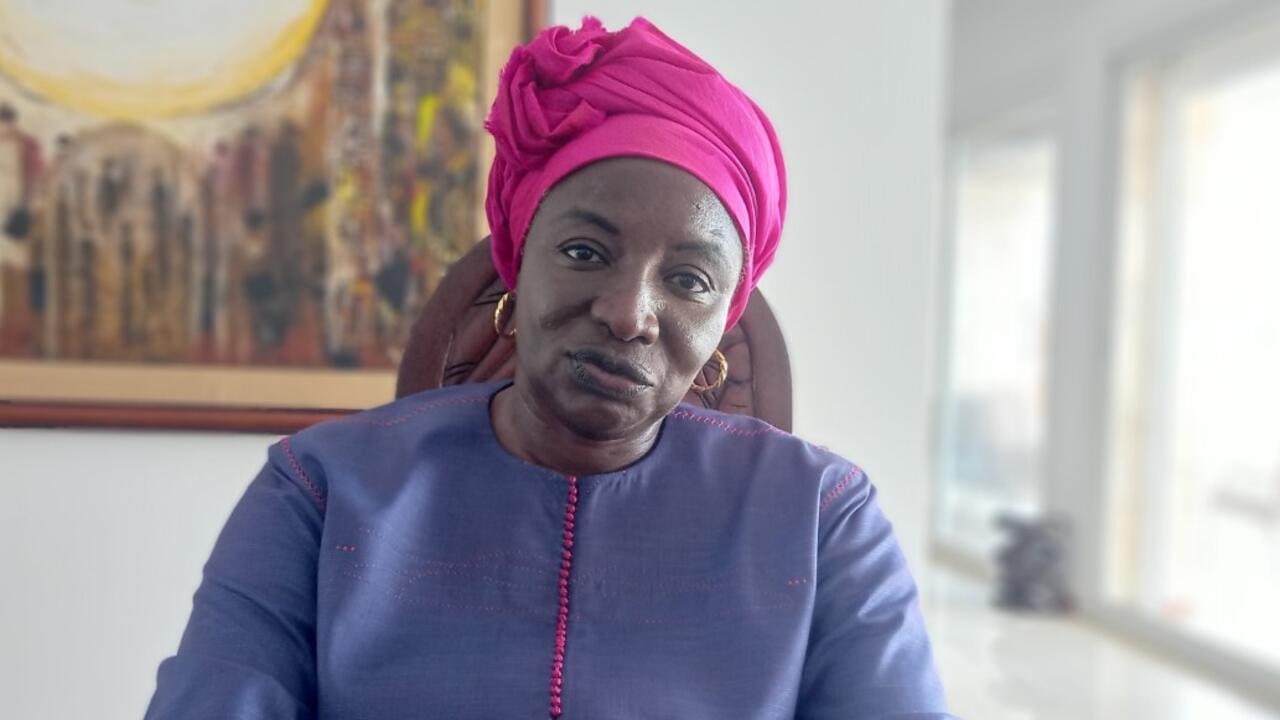
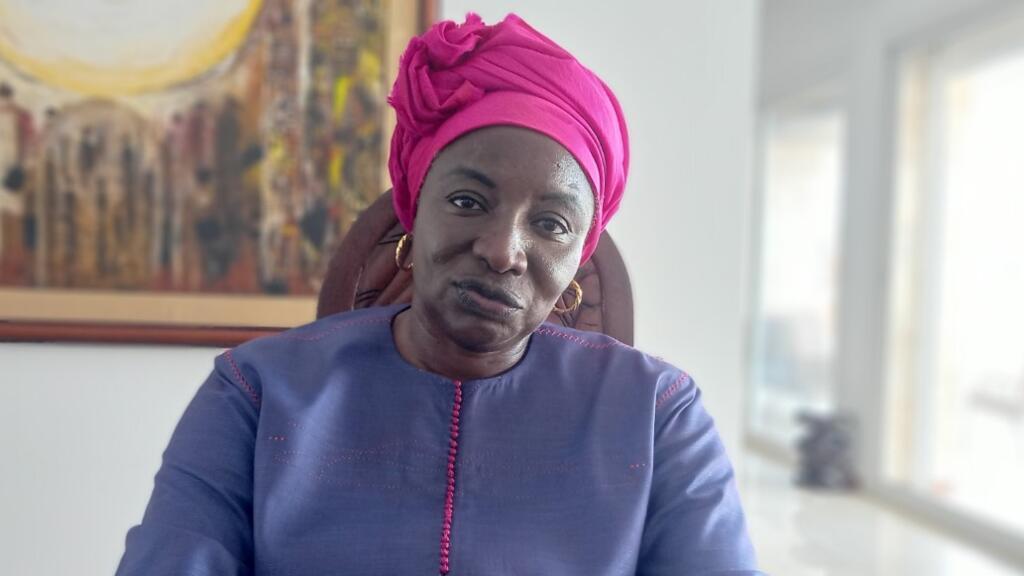
Aminata Touré, the Great Invited Guest of Africa and a key figure in Pastef, shares her perspective on the government’s composition and the challenges ahead. As the party’s general supervisor, she emphasizes the importance of prioritizing the nation’s interests over political disputes. Touré argues that the executive branch must focus on addressing the pressing needs of the Senegalese people rather than engaging in prolonged institutional conflicts.
On the government’s legitimacy and democratic principles
Touré acknowledges the democratic mandate of President Bassirou Diomaye Faye, who was elected with 54% of the vote. She highlights that the president’s constitutional authority includes appointing the Prime Minister and endorsing the government’s formation. The new administration, she insists, reflects a commitment to efficiency and governance rather than a lack of democratic legitimacy.
« The president’s role is to lead, and he has done so by appointing a government that aligns with his vision for progress. The Senegalese people expect results, not political infighting. »
Cohabitation and institutional stability
With Pastef holding a majority in the National Assembly, concerns arise about the potential for cohabitation challenges. Touré dismisses these fears, framing the disagreements as internal party dynamics rather than a threat to governance. She stresses the need for all institutions—executive, legislative, and judicial—to respect their mandates and collaborate for the country’s benefit.
« This is not a battle between institutions but an opportunity for each branch to fulfill its responsibilities. The people of Senegal deserve stability, not endless political showdowns. »
Accountability and political morality
Critics question whether the government’s formation signals a departure from the Pastef’s promise of political accountability. Touré firmly rejects this notion, distinguishing between accountability and personal vendettas. Drawing from her experience as a former Minister of Justice, she underscores the judiciary’s independence, stating that legal processes must be fair and impartial, regardless of political affiliations.
« Accountability does not mean settling scores. It means ensuring that justice is served without bias. President Faye stands by this principle, and so does this government. »
Economic challenges and debt restructuring
The looming issue of national debt and its potential restructuring with international partners, such as the International Monetary Fund, also features prominently in discussions. Touré frames this as a practical challenge rather than an ideological one. She advocates for a balanced approach that addresses debt sustainability without undermining social programs or economic stability.
« Debt restructuring is not about repeating the mistakes of the past. It’s about finding a sustainable path forward that protects the most vulnerable while meeting our financial obligations. »
The road to 2029: political ambitions and national priorities
Speculation swirls about the long-term political ambitions of Ousmane Sonko and President Bassirou Diomaye Faye, particularly regarding the 2029 presidential election. Touré dismisses accusations of sabotage, emphasizing that the focus must remain on governance and addressing the public’s needs. She calls for a halt to premature electoral campaigns, urging all stakeholders to prioritize national development over political rivalries.
« Let democracy function as it should. We must not let personal ambitions derail the progress we’ve made. The people of Senegal have spoken, and they want action, not distraction. »
In conclusion, Touré’s remarks reflect a call for unity and pragmatism in navigating Senegal’s political landscape. The new government, she argues, represents a step toward addressing the country’s challenges while maintaining the democratic principles that underpin its governance.