African leaders push for balanced nuclear energy collaborations
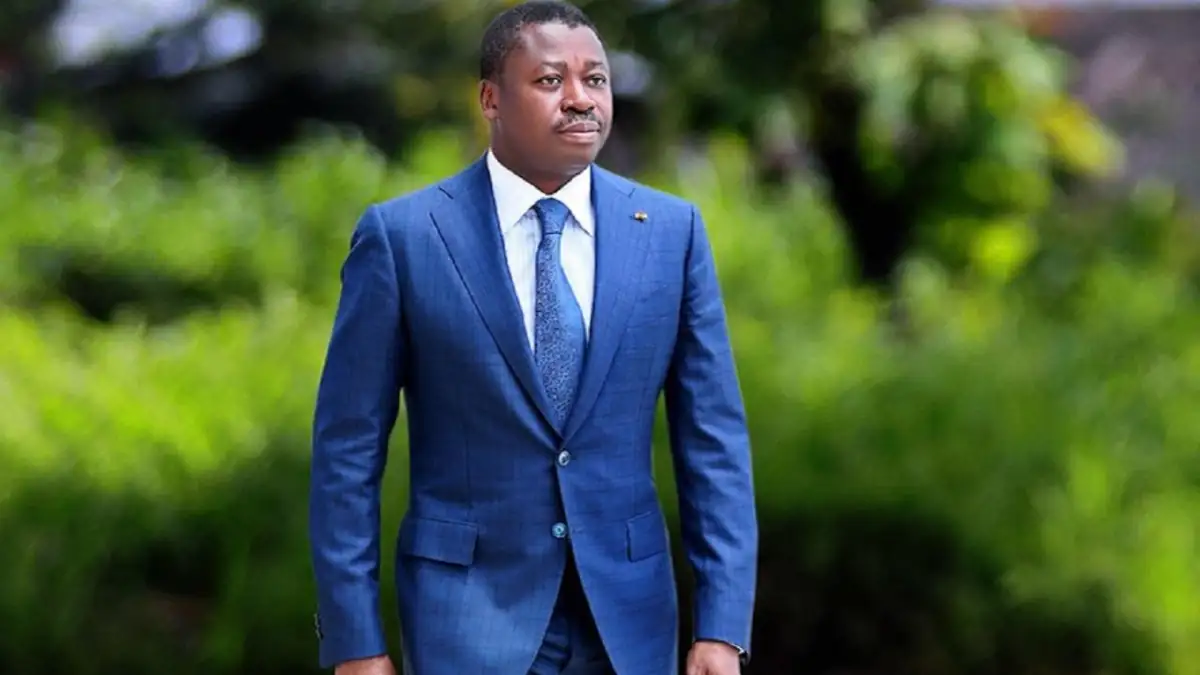
High-level discussions are unfolding at the Nuclear Energy Innovation Summit for Africa in Kigali, with African heads of state advocating for a new model of engagement in the nuclear sector. Speaking on the second day of the summit, Togolese President Faure Gnassingbé emphasized the need for equal partnerships rather than one-sided technological aid, framing Africa’s role as a strategic partner rather than a recipient.
« Africa is not asking for handouts of nuclear technology. What Africa offers is a partnership, a market, and a mature vision for its own energy future, » he stated, underscoring the continent’s determination to shape its nuclear ambitions on its own terms.
Africa’s growing nuclear ambitions amid global interest
The summit comes at a time when several African nations are accelerating their civil nuclear programs to address energy deficits and meet rising electricity demands. Egypt is constructing the El Dabaa nuclear power plant with international support, while South Africa operates the continent’s only operational nuclear facility, Koeberg.
According to the International Atomic Energy Agency, multiple African countries are in advanced negotiations with foreign partners to develop nuclear power infrastructure, citing both energy security and economic growth as key drivers.
Uranium resources and technological independence challenges
Africa holds significant uranium reserves, with Niger and Namibia among the continent’s top producers. Despite this strategic advantage, most African nations still rely on foreign expertise for reactor design, construction, and operational management.
« The continent has the raw materials but lacks the full value chain control, » noted one expert during the summit. « True energy sovereignty requires more than just resource ownership—it demands technological and regulatory autonomy. »
Training, regulation, and financing: the pillars of nuclear development
Key discussions at the summit highlighted three critical priorities for Africa’s nuclear future:
- Human capital development: Building specialized engineering talent and nuclear safety personnel to support long-term projects.
- Regulatory frameworks: Establishing independent nuclear safety authorities to ensure compliance and public trust.
- Sustainable financing: Securing multi-billion-dollar investments over decades, with many projects requiring decades-long payback periods.
The next phase will focus on finalizing cooperation agreements and aligning national nuclear energy roadmaps to translate summit discussions into tangible progress.