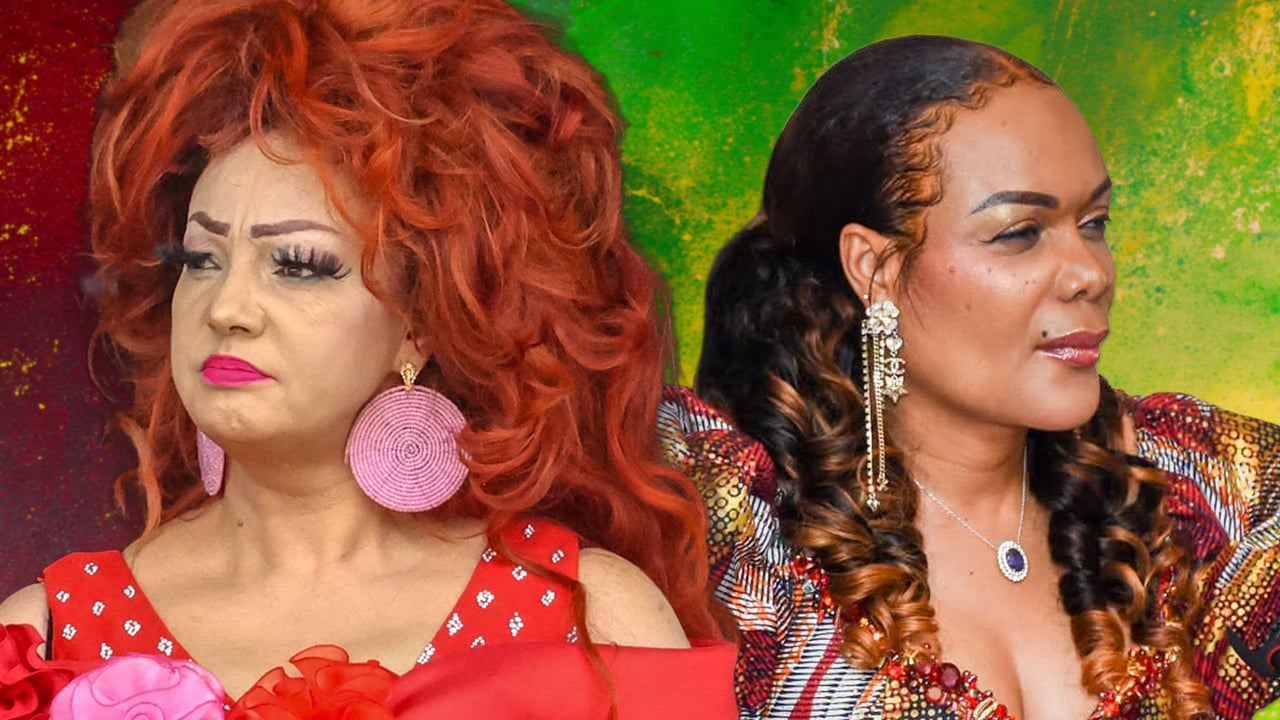
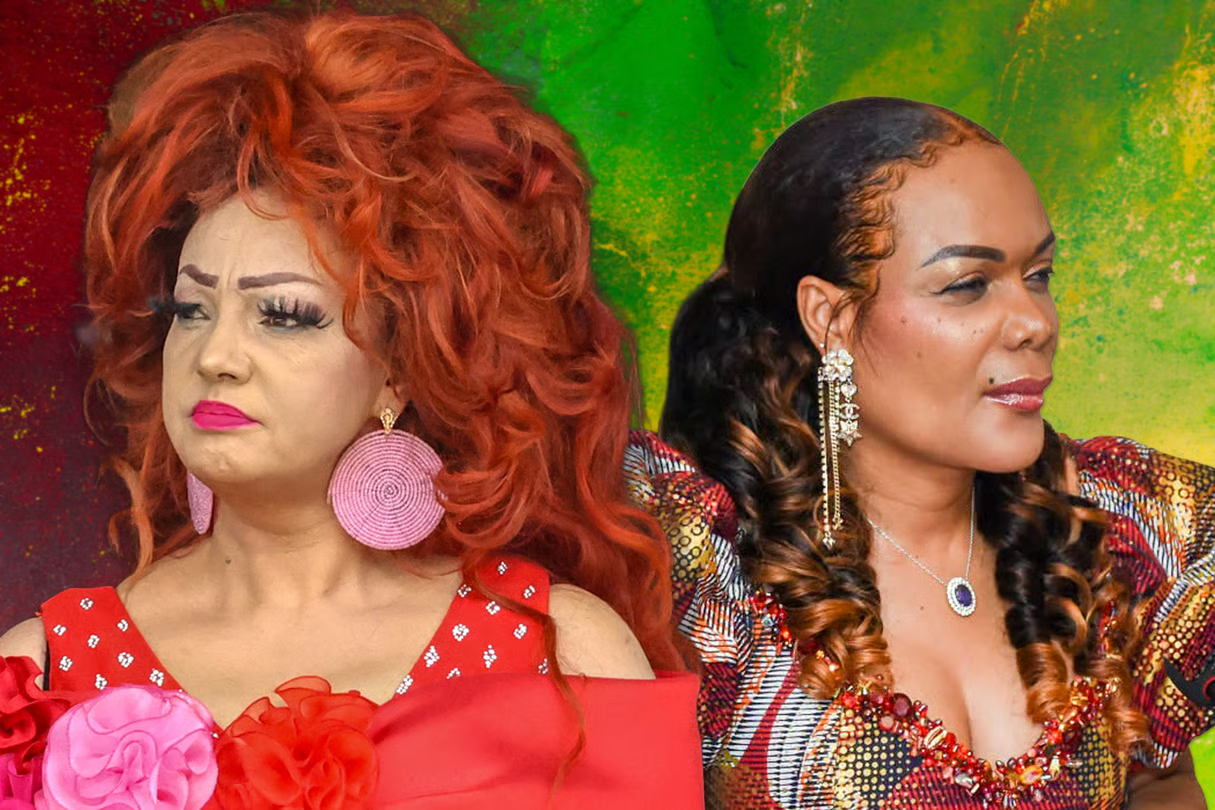
The unraveling of a high-profile partnership
Behind the polished facades of Yaoundé’s political elite, tensions have been simmering for months between two prominent figures: Chantal Biya, Cameroon’s influential First Lady, and Nathalie Moudiki, the second-in-command at the National Hydrocarbons Corporation (SNH). Sources close to both camps confirm that their professional and personal relationship has reached a breaking point, with no signs of reconciliation.
Signs of a growing rift
The first public cracks emerged during a routine board meeting of the SNH in late June, where Moudiki reportedly challenged a decision made by the First Lady’s office regarding a major oil exploration contract. Eyewitnesses describe a tense atmosphere as voices were raised and documents were slammed on the table. Since then, the atmosphere at SNH headquarters has grown increasingly strained, with staff divided over loyalties.
Insiders reveal that Chantal Biya’s office has been quietly sidelining Moudiki from key meetings, while Moudiki’s allies within the corporation have retaliated by withholding critical data on exploration projects. The power struggle has spilled into the media, with state-aligned outlets praising Moudiki’s technical expertise, while pro-Biya publications accuse her of undermining national interests.
Legal and political implications
The escalating feud has raised concerns among diplomats and business leaders, who fear it could destabilize Cameroon’s oil sector—a vital revenue stream for the country. Legal experts warn that if the dispute escalates further, it could lead to costly lawsuits, particularly over contract allocations and procurement irregularities.
Political analysts suggest that President Paul Biya, who remains largely silent on the matter, may be forced to intervene to prevent lasting damage to his administration’s reputation. Some insiders speculate that the First Lady’s growing influence over state affairs could be a factor in Moudiki’s marginalization, as her supporters push back against perceived overreach.
What’s next for Cameroon’s oil sector?
As the standoff continues, industry stakeholders are watching closely. The SNH, responsible for managing Cameroon’s oil wealth, plays a central role in the country’s economic stability. Any prolonged disruption could have far-reaching consequences, from delayed projects to reduced foreign investment.
The coming weeks will be critical. Will Chantal Biya’s camp consolidate its control, or will Moudiki’s allies rally to challenge the status quo? One thing is certain: the outcome of this clash will shape Cameroon’s energy landscape—and its political future—for years to come.