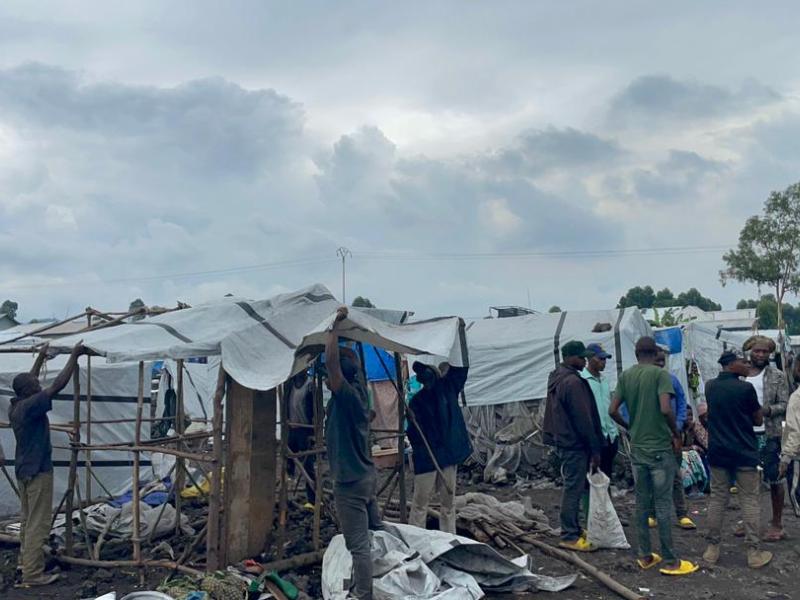
In response to the escalating Ebola outbreak in the Democratic Republic of the Congo (DRC), particularly in the Ituri province—already grappling with armed conflicts—the United Nations Office for the Coordination of Humanitarian Affairs (OCHA/DRC) has announced a significant revision to the 2026 Humanitarian Response Plan (HRP). This adjustment aims to better address the urgent needs of affected communities until the end of the year.
The revised plan now targets 10.8 million people, a strategic narrowing from the initial estimate of 18.5 million individuals in need. This decision follows a thorough reassessment of humanitarian priorities in light of the MVE (Marburg Virus Disease) outbreak caused by the Bundibugyo strain, which emerged in May 2026. The epidemic has exacerbated existing vulnerabilities, particularly in the eastern regions of Ituri, North Kivu, and South Kivu, where transmission has spread rapidly.
Why the revision?
The humanitarian landscape in the DRC has deteriorated sharply since late 2025, driven by a combination of conflicts, natural disasters, and health emergencies. The emergence of Ebola has compounded these challenges, turning it into a major health shock that threatens to overwhelm an already strained system. OCHA/DRC emphasized that the epidemic’s rapid spread—especially among healthcare workers—has necessitated a targeted revision of the HRP to realign resources and strategies.
Key adjustments include:
- Increased funding requirements: The revised plan now calls for $2.13 billion, up from the initial $1.4 billion requested in January 2026. This reflects the growing financial gap as international funding dwindles.
- Focused assistance: With resources stretched thin, the plan prioritizes the most vulnerable populations, ensuring that life-saving aid reaches those most in need.
- Safety and operational adjustments: The ongoing conflict and Ebola outbreak have forced humanitarian organizations to re-evaluate security conditions and operational feasibility in high-risk zones.
Regional impact and broader challenges
The DRC’s humanitarian crisis extends beyond Ebola. The country continues to face:
- Escalating food insecurity: Acute food insecurity has worsened, with the IPC analysis (March 2026) confirming a rise in the number of people requiring urgent food assistance.
- Cholera resurgence: The DRC is battling a recurrent cholera epidemic, further straining healthcare systems.
- Displacement and conflict: Protracted violence in the east has displaced millions, creating additional humanitarian needs.
James Swan, the UN Secretary-General’s Special Representative in the DRC and head of MONUSCO, highlighted the severity of the situation during a recent address to the UN Security Council. He noted that the 2026 HRP, launched in January, had already secured 53.3% of its funding but stressed the urgent need for the remaining resources to prevent further deterioration.
Government response and international support
The Congolese government, led by Minister of State for Social Affairs and National Solidarity Eve Bazaiba, has actively engaged with partners to reorganize priorities in response to the crisis. The revised HRP aligns with the government’s call for a more targeted and efficient humanitarian approach, particularly in light of reduced international funding.
However, the shortfall in global humanitarian financing—exacerbated by the suspension of aid by key donors—has left critical gaps in the response. The 2025 HRP, which required $2.54 billion, remained significantly underfunded, leaving millions without access to essential services.
The 2026 HRP aims to assist 87 million people across the DRC, requiring a total of $23 billion. While the plan has received support from the United States—a contribution described as “historic” by UN humanitarian chief Tom Fletcher—there is growing concern over the sustainability of international aid in the face of competing global priorities.
Looking ahead
As the DRC navigates this multifaceted crisis, the revised HRP represents a critical step toward addressing the most urgent needs. However, the success of this plan hinges on:
- Sustained international funding: Without additional resources, the humanitarian response risks falling short of its goals.
- Enhanced coordination: Strengthening collaboration between the government, UN agencies, and NGOs is essential to maximize impact.
- Long-term resilience-building: Addressing the root causes of vulnerability—such as conflict, food insecurity, and health system weaknesses—will be key to preventing future crises.
The situation in the DRC remains dire, but the revised HRP offers a glimmer of hope for the millions affected by Ebola and other humanitarian challenges. The coming months will be critical in determining whether the international community can rise to the occasion.