Bénin defies global headwinds with remarkable economic performance
Amidst escalating geopolitical tensions and volatile global markets, the Bénin economy has surged forward, maintaining an impressive growth trajectory. The latest African Development Bank (ADB) Country Report 2026 confirms the West African nation achieved an 8.1% GDP expansion in 2025, with projections holding steady above 7% through 2027. This remarkable resilience stems from strategic investments in the Glo-Djigbé Industrial Zone (GDIZ), port infrastructure upgrades, and strict fiscal discipline – though significant social and security challenges remain.
How the Bénin economy outpaces regional and global instability
While global supply chains remain fragile and financial markets show signs of strain, the Bénin economy has distinguished itself with exceptional growth. After recording 7.5% GDP growth in 2024, the country accelerated to 8.1% in 2025, among Africa’s fastest-growing economies. This performance wasn’t accidental but resulted from carefully implemented structural reforms and economic diversification strategies highlighted in the ADB’s 2026 report.
A growth story powered by every economic sector
The Bénin growth miracle demonstrates remarkable sectoral balance, with every major economic pillar contributing to 2025’s wealth creation. The industrial and infrastructure sectors served as the primary engines of this expansion.
Industrial boom and infrastructure transformation
The secondary sector surged by 9.8%, driven by major urban sanitation projects, road improvements, and port modernization initiatives. The Glo-Djigbé Industrial Zone (GDIZ) has become a manufacturing powerhouse, while extractive industries expanded through intensified quarry operations supplying local cement plants and new tile manufacturing facilities. This industrial diversification is fundamentally reshaping Bénin’s economic landscape.
Services and digital economy reach new heights
The tertiary sector grew by 8.5%, fueled by burgeoning digital services, robust international trade, and the strategic importance of the Port of Cotonou. The port’s enhanced logistics and transport capabilities continue to strengthen regional trade flows, positioning Bénin as a crucial West African commercial hub.
Agriculture and livestock show steady progress
The primary sector expanded by 5.7%, with livestock activities particularly shining, growing by 8.8%. This progress reflects favorable agricultural conditions and targeted investments in local productivity improvements. On the demand side, investment emerged as the primary growth driver, surging by 10.7% in 2025, complemented by a 7.3% increase in household consumption.
Monetary stability and fiscal prudence in challenging times
In a world grappling with inflationary pressures, the Bénin economy has maintained remarkable price stability and fiscal discipline.
Inflation remains under tight control
Thanks to prudent monetary policies from the Central Bank of West African States (BCEAO), inflation registered just 1.1% in 2025 – well below the 3% UEMOA target. This remarkable stability stems from stable fuel supply costs from neighboring Nigeria and abundant local harvests that prevented food price spikes.
Banking sector strength and fiscal consolidation
Bénin’s banking system demonstrated robust health in 2025, with credit to the economy increasing by 8.8% and banking assets growing by 9.2%. The sector maintained solvency ratios comfortably above regulatory requirements. On the fiscal front, the government maintained its austerity measures, with tax revenues rising from 13.3% to 13.9% of GDP while keeping public spending at 18.7% of GDP. This fiscal prudence reduced the budget deficit to 2.8% of GDP from 3% the previous year. While the ADB classifies Bénin’s debt risk as moderate, it warns about the growing burden of international commercial financing on debt service costs.
Export transformation and regional economic integration
Bénin’s economic model is shifting decisively from transit economy to value-added exports. The GDIZ has enabled local transformation of cotton, soybeans, and cashews into finished textile and agro-industrial products. Exports now account for 23% of GDP, up from 21.8% previously, helping reduce the current account deficit to 5.8% of GDP. Within the UEMOA zone, foreign reserves now cover 7.6 months of imports, providing reassuring protection for future trade engagements.
The ADB forecasts stable growth of 7% in 2026 and 7.1% in 2027, supported by political stability, continued Cotonou infrastructure expansion, and new extractive projects like the Sèmè oil field and Perma gold mine.
The social challenge: converting economic growth into shared prosperity
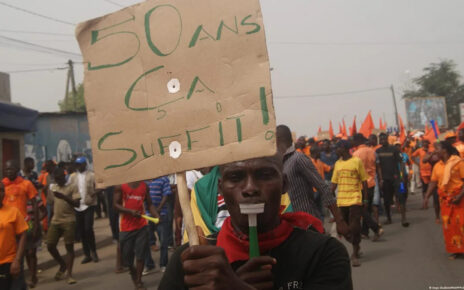
Despite these strong macroeconomic indicators and a 5.6% increase in real GDP per capita in 2025, the benefits to ordinary citizens remain limited. While the ADB notes the 25,000 direct jobs created by the GDIZ, it highlights a critical structural issue: over 90% of Bénin’s workforce remains employed in the informal sector. This dominance of informal employment restricts productivity gains and slows poverty reduction efforts.
To address this challenge, the ADB recommends intensifying vocational training investments to align educational outcomes with emerging industrial needs, while supporting formal job creation to fully capitalize on the demographic dividend.
Navigating risks on the path to sustainable growth
Despite promising prospects, several risk factors could derail Bénin’s growth trajectory. External threats include escalating Middle East tensions and prolonged oil price increases. Regionally, northern security concerns and heavy economic dependence on Nigeria’s trade policies require careful monitoring, along with climate-related agricultural risks.
The ADB recommends maintaining fiscal discipline while accelerating strategic energy projects. Critical initiatives like the Dogo-Bis hydroelectric dam are essential for achieving national energy autonomy, reducing production costs for GDIZ factories, and enhancing overall economic competitiveness.
Bénin’s economic transformation offers valuable lessons for West Africa
Through strategic industrialization, fiscal responsibility, and port infrastructure development, Bénin has positioned itself for sustained growth exceeding 7% through 2027. However, the ultimate test of this economic model will be its ability to transition workers from informal to formal employment, secure national borders, and translate prosperity into tangible opportunities for the country’s youth.