Gabon’s president in Abidjan: a new chapter in west african diplomacy
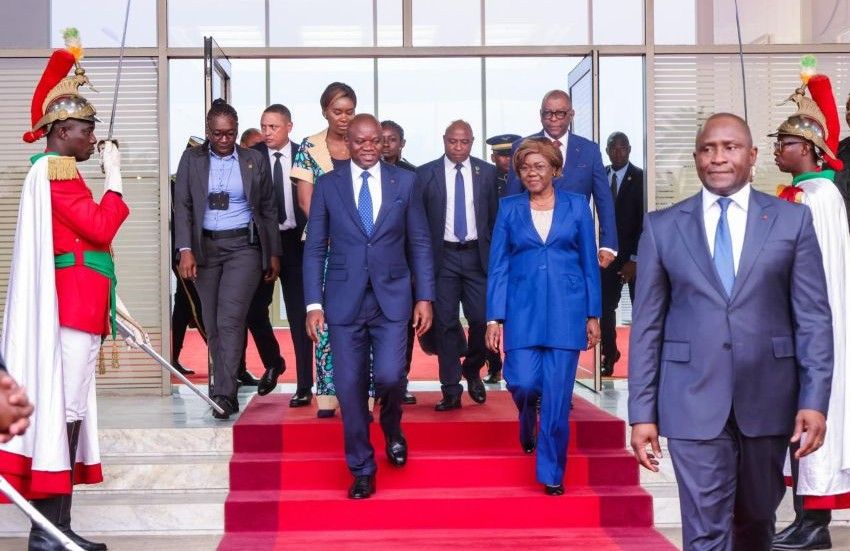
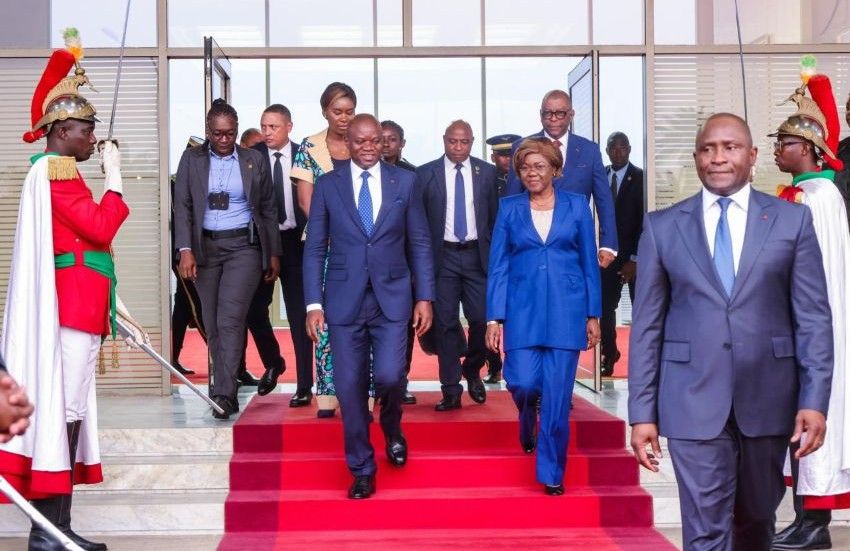
Libreville, August 5, 2026 — The arrival of Brice Clotaire Oligui Nguema in Abidjan marks a pivotal moment in Gabonese diplomacy. Following visits to Ghana, Gambia, and Sierra Leone, the Gabonese president’s west African tour reaches its most significant stop in Côte d’Ivoire, where the stakes extend far beyond diplomatic courtesy.
As guest of honor for Côte d’Ivoire’s 66th independence anniversary celebrations, President Oligui Nguema isn’t merely participating in a friendship ritual between nations. His presence symbolizes Gabon’s strategic pivot toward a continent where political alliances must now yield tangible economic benefits and concrete cooperation.
Accompanied by First Lady Zita Oligui Nguema, the president was formally received by Nialé Kaba, Côte d’Ivoire’s Minister of State for Foreign Affairs. While the ceremonial welcome underscores strong ties between Libreville and Abidjan, this visit arrives at a critical juncture: Gabon is actively redefining its continental role and diversifying its diplomatic partners.
From symbolic gestures to measurable impact
The true challenge lies not in diplomatic photo opportunities but in converting political proximity into productive cooperation. Côte d’Ivoire emerges as a strategic partner in this regard, offering Gabon a blueprint in economic transformation, infrastructure development, agriculture, and urban planning. While Gabon possesses abundant natural resources and potential, it requires mechanisms to translate these assets into employment, investments, and enhanced public services.
The presidential agenda in Abidjan focuses precisely on exploring these opportunities. Scheduled engagements include meetings with the Gabonese diaspora, site visits to key projects, and discussions to strengthen bilateral ties. Notably, no major agreements or investment figures have been announced at this stage, reflecting a measured approach that prioritizes substance over spectacle.
West African strategy takes shape
For Gabon, this west African journey represents more than a series of state visits—it’s a deliberate strategy. The sequential stops in Accra, Banjul, Freetown, and now Abidjan reflect a deliberate effort to forge partnerships with nations that have cultivated distinct development models compared to central Africa. The potential benefits are substantial: shared expertise, new market access, skills transfer, and the construction of intra-African partnerships that could reduce Gabon’s reliance on traditional allies.
However, the success of this diplomatic initiative won’t be measured by the number of presidential trips completed. True impact will be determined by tangible outcomes: expanded economic partnerships, strengthened university exchanges, direct investments, skills transfers, business opportunities, and deeper cooperation in strategic sectors.
As President Oligui Nguema enjoys the spotlight in Abidjan, the real test begins after the ceremonies conclude. Gabon can no longer settle for mere presence at major African summits. The nation must now translate diplomatic visibility into measurable influence and, ultimately, into results that resonate in the daily lives of its citizens.
The historical friendship between Libreville and Abidjan has served as a strong foundation. The next phase must be more demanding, transforming this relationship into a concrete instrument for development, economic sovereignty, and mutual prosperity. For Gabonese citizens, this visit’s true value will be judged not by protocol, but by the tangible benefits that emerge in the months ahead.