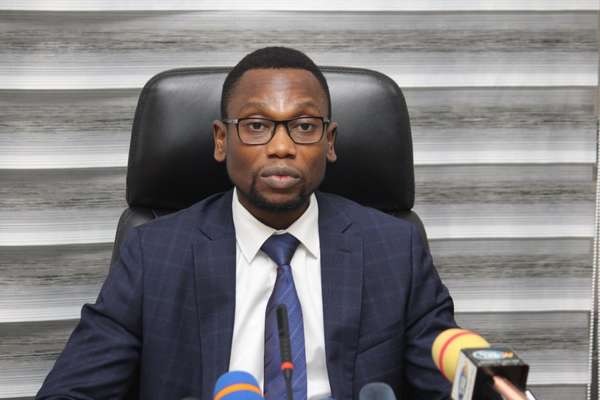
The Ministry of Health in Benin has taken another decisive step in its ongoing effort to strengthen the human resources of the national health system. In an official statement dated October 7, 2026, Health Minister Benjamin Hounkpatin unveiled the list of candidates selected for the fourth cohort of the “Bridging the Gaps” project.
In total, 787 young health professionals, spread across four skill categories, were retained following a rigorous merit-based selection process. The announcement has sparked a wave of reactions across the country, with many citizens and health sector observers weighing in on what this means for access to care and the future of public health services.
Public debate and expectations around the new cohort
The selection of these 787 young professionals has generated considerable discussion. For many, it signals a renewed commitment to tackling the chronic shortage of healthcare workers in public facilities. Others, however, are asking whether the number is sufficient to meet the needs of a growing population. The debate reflects a broader conversation about how Benin can sustainably close its health workforce gaps.
Financed by the Islamic Development Bank (IDB), the “Bridging the Gaps” program is designed to reduce the deficit of caregiving staff in public health structures throughout the country. The fourth cohort is seen as a critical test of whether the initiative can deliver tangible improvements on the ground.
Orientation sessions before deployment
Before taking up their respective posts, the selected agents will take part in information and orientation sessions aimed at preparing them for their new responsibilities. The timetable for these welcome and integration meetings will be communicated later by the ministry authorities.
As the new recruits prepare to enter the system, stakeholders are watching closely. The coming months will reveal whether this latest wave of health professionals can help turn the tide, and what further measures may be needed to ensure lasting change.