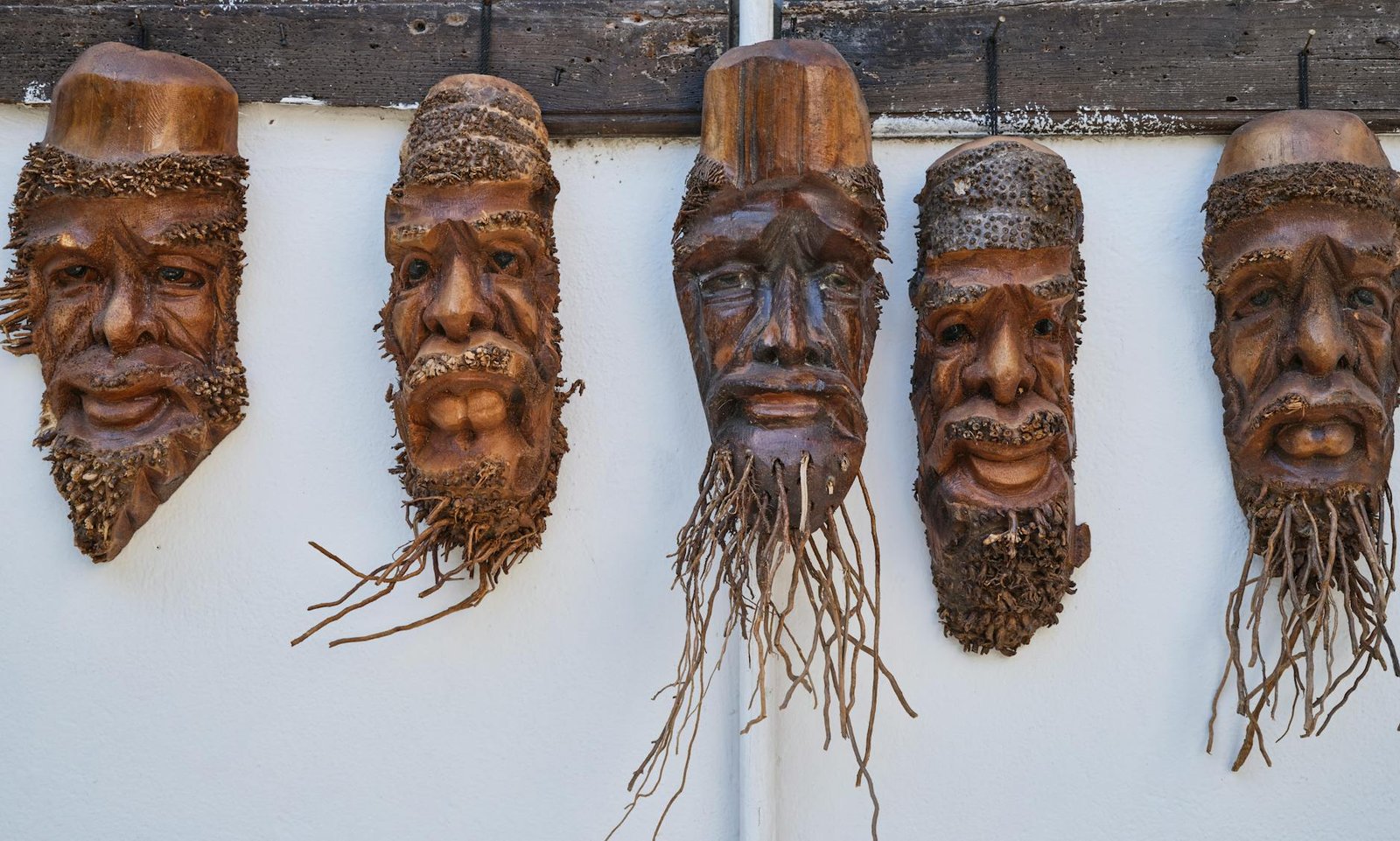
An unprecedented move in France’s restitution journey has unfolded in Bordeaux, where municipal authorities recently declined a bequest of 53 African artworks—originally slated for the Musée d’Aquitaine’s collections. This tactical refusal, enacted on June 1, 2026, was not an act of rejection but a calculated legal strategy. Under French heritage law, public collections are inaliénable—legally protected from transfer or sale. By declining the gift before its formal integration, Bordeaux sidestepped this restriction, paving the way for 33 Gabonese pieces to eventually return to Libreville. Among the objects are masks and reliquaries of exceptional cultural and commercial value, particularly Fang, Punu, Kota, and Tsogho artifacts, which dominate high-end African art markets.
A legal workaround to unlock colonial-era collections
The Bordeaux decision reflects a growing trend among French local governments to navigate the rigid framework of heritage law. Since the landmark Sarr-Savoy report (2018), which called for the restitution of colonial-era acquisitions, restitution has become a public imperative—yet without a unified legislative solution. Each case demands bespoke legal maneuvering. Bordeaux’s approach is ingenious: by refusing the bequest, it prevents the objects from entering public collections, where their alienability would be indefinitely suspended. This creates a window for direct negotiation and transfer to requesting African nations.
This maneuver is not merely administrative—it carries deep symbolic weight. Bordeaux, a city whose 18th-century prosperity was built on Atlantic slavery, has increasingly confronted its colonial legacy through memory initiatives. The June decision marks a shift from symbolic gestures to concrete legal action, asserting a commitment to rectifying historical injustices through institutional means.
Libreville stands to gain cultural and diplomatic capital
For Gabon, the return of these 33 artifacts represents more than cultural enrichment—it is a pillar of national identity reconstruction. The works, including prestigious Kota reliquary figures and Punu masks, are central to Gabonese heritage, especially among the Fang, Punu, Kota, and Tsogho communities. Their market value—often reaching hundreds of thousands of euros at auction—underscores their global significance and the urgency of their repatriation.
Since the 2023 political transition, Libreville has elevated cultural sovereignty as a cornerstone of its national narrative. The restitution of these objects aligns with this vision, reinforcing Gabon’s claim to reclaim its stolen patrimony. However, the path remains complex. While Bordeaux’s refusal triggers a procedural opening, the transfer is not yet secured. French authorities must finalize the transfer framework, and Gabon must prove its readiness to store, conserve, and exhibit the pieces according to international museum standards.
A model that could reshape restitution across France
Bordeaux’s legal pathway may offer a replicable template for other French cities holding contested colonial collections. Marseille, Lyon, Nantes, and La Rochelle all house African artifacts whose restitution has been stalled by legal ambiguity. Bordeaux’s solution—declining a bequest before it becomes inalienable—avoids the need for a special parliamentary law, streamlining the process for both donor and recipient nations.
The implications extend far beyond Gabon. Senegal, Benin, Côte d’Ivoire, and Cameroon are closely watching the outcome. Previous restitutions, such as the 2021 return of 26 royal treasures to Benin, required a dedicated law. Bordeaux’s method, though less visible, could prove faster and more scalable for the thousands of African objects still held in French museums. The Gabonese case may well become a litmus test for future Franco-African cultural diplomacy.