Burkina Faso is currently grappling with an unprecedented health crisis as a major dengue fever outbreak sweeps across the nation. According to recent government data, the mosquito-borne illness has claimed 214 lives since the beginning of the year, with the highest concentration of cases found in the capital, Ouagadougou, and the country’s second-largest city, Bobo-Dioulasso.
Tiger mosquitoes, specifically the Aedes albopictus species, are currently proliferating across Burkina Faso, causing significant devastation. These insects are the primary vectors for a massive wave of both dengue and chikungunya infections. Official reports indicate that between January 1 and October 15, health authorities recorded 50,478 suspected dengue cases, including 25,502 probable infections and 214 fatalities.
The situation intensified significantly in mid-October. In just one week, from October 9 to 15, over 10,000 suspected cases and 48 deaths were notified. While the dengue epidemic remains a critical concern in urban centers like Ouagadougou and Bobo-Dioulasso, Health Minister Robert Lucien Jean-Claude Kargougou also noted a rise in chikungunya. More than 200 instances of this viral disease have been identified since September.
Implementing an effective health response
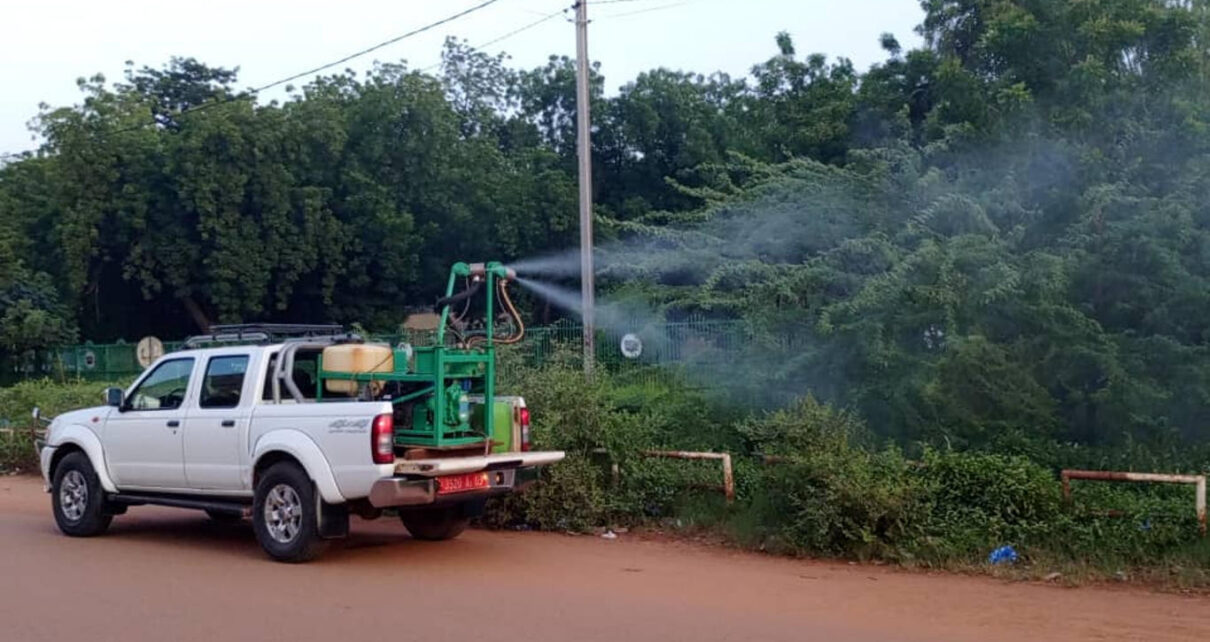
Climatic factors, including rising temperatures and frequent heavy rainfall, have created ideal breeding conditions for tiger mosquitoes and the spread of the virus. To combat this, the government has introduced several emergency measures. These include providing free rapid diagnostic tests at all public healthcare facilities and launching extensive insecticide spraying campaigns in the most affected cities.
Although dengue has been present in Burkina Faso since the 1960s, the first major documented outbreak occurred in 2017. Transmitted through the bite of an infected mosquito, the virus shares many symptoms with malaria, such as intense fever, severe headaches, nausea, and muscle aches. According to the World Health Organization (WHO), dengue affects hundreds of millions globally each year. In its most dangerous form, it can cause internal bleeding, which can be fatal.