Mali’s healthcare revolution: how to expand access to medical services
Mali launches its first health month to tackle inequities in medical services.
Healthcare in Mali faces critical challenges
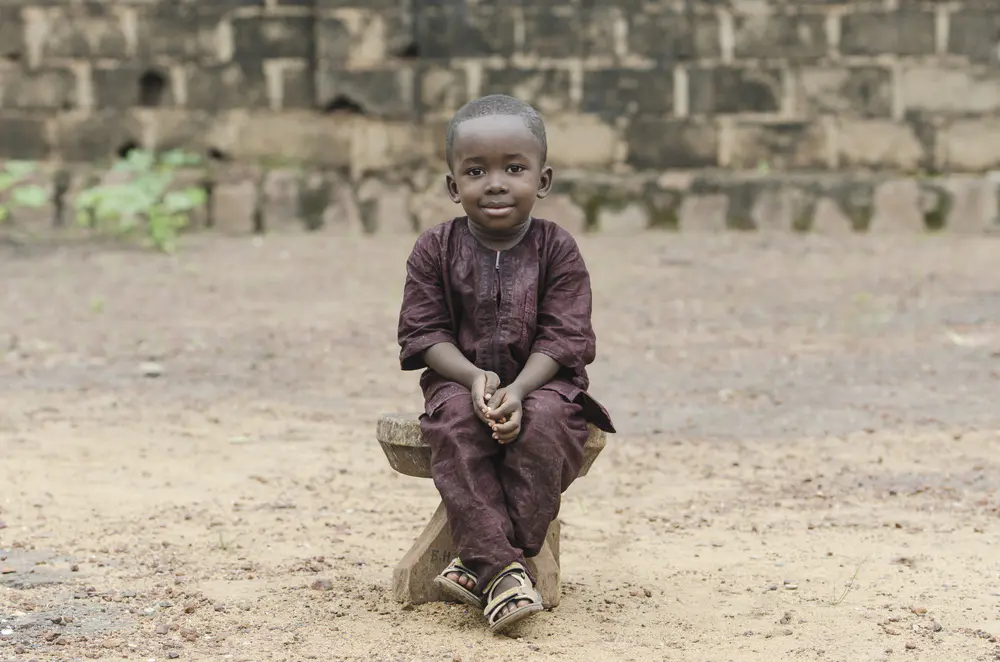
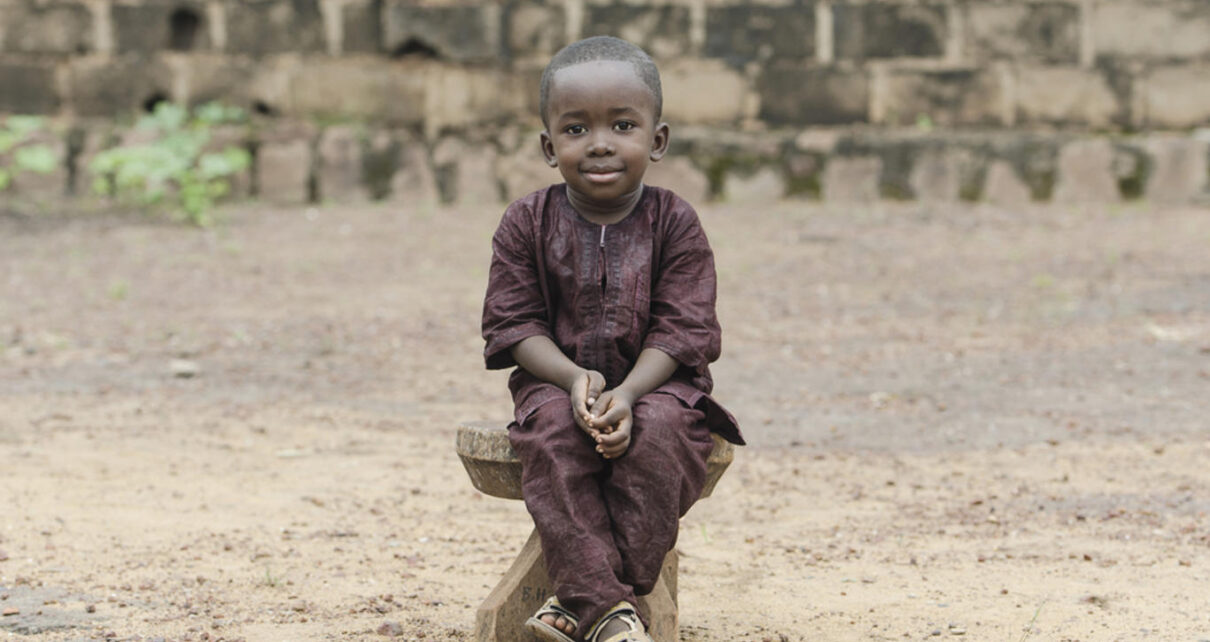
Access to healthcare in Mali remains unevenly distributed, with rural communities and vulnerable populations facing significant barriers. The 2012 security crisis further strained an already fragile system, leaving many Malians—especially young children, pregnant women, and conflict victims—without adequate medical care.
In response, Malian authorities have prioritized healthcare reform, despite ongoing security concerns. To bridge these gaps, the government launched November’s inaugural Health and Social Protection Month, aiming to enhance healthcare accessibility nationwide.
“Improving population health is a government priority,” stated Colonel Abdoulaye Maïga, interim Prime Minister of Mali, during the initiative’s launch. “I commend Minister Diéminatou Sangaré for this initiative, which will create a communication framework, foster exchanges with healthcare stakeholders, and empower beneficiaries to better understand their roles and responsibilities.”
You may also like: health insurance trends in West Africa
Children’s health: a top priority
The Prime Minister emphasized the urgency of this initiative, noting that key health targets remain unmet. Shocking statistics highlight the crisis: “Infant mortality stands at 54 deaths per 1,000 live births; 33% of births occur outside healthcare facilities; and only 45% of children aged 12–23 months receive all basic vaccinations,” Maïga reported.
He added: “One in three children under five suffers from stunted growth, and only 40% of infants under six months are exclusively breastfed.” The Prime Minister also cited widespread ignorance about healthcare and social protection systems as major obstacles to accessing essential services.