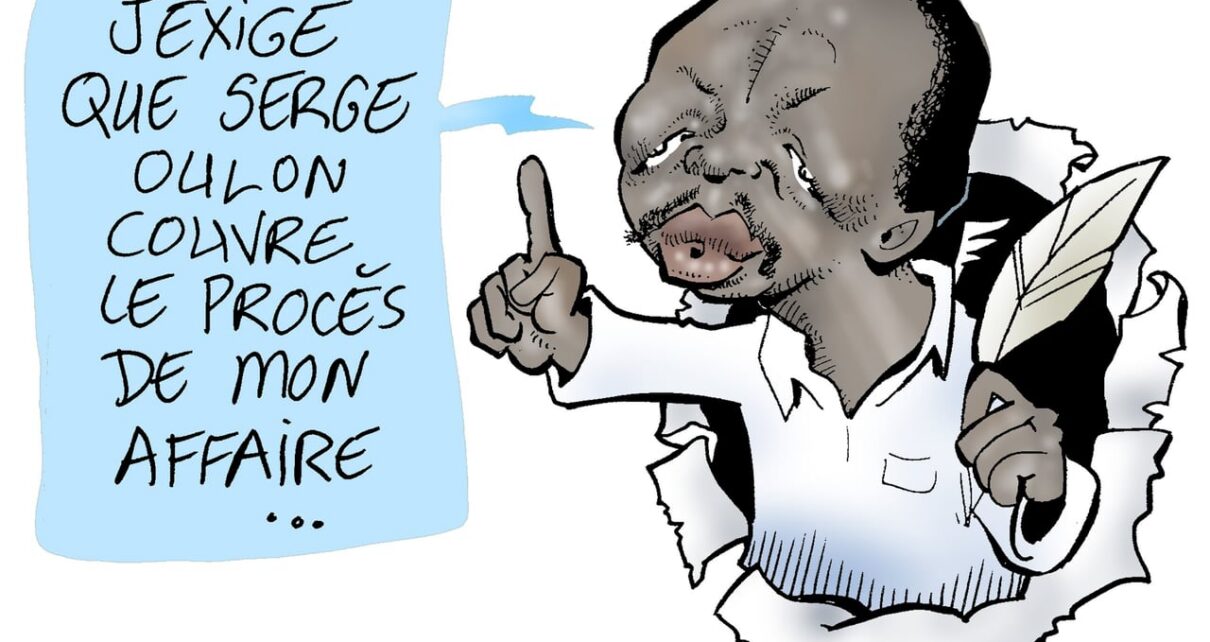
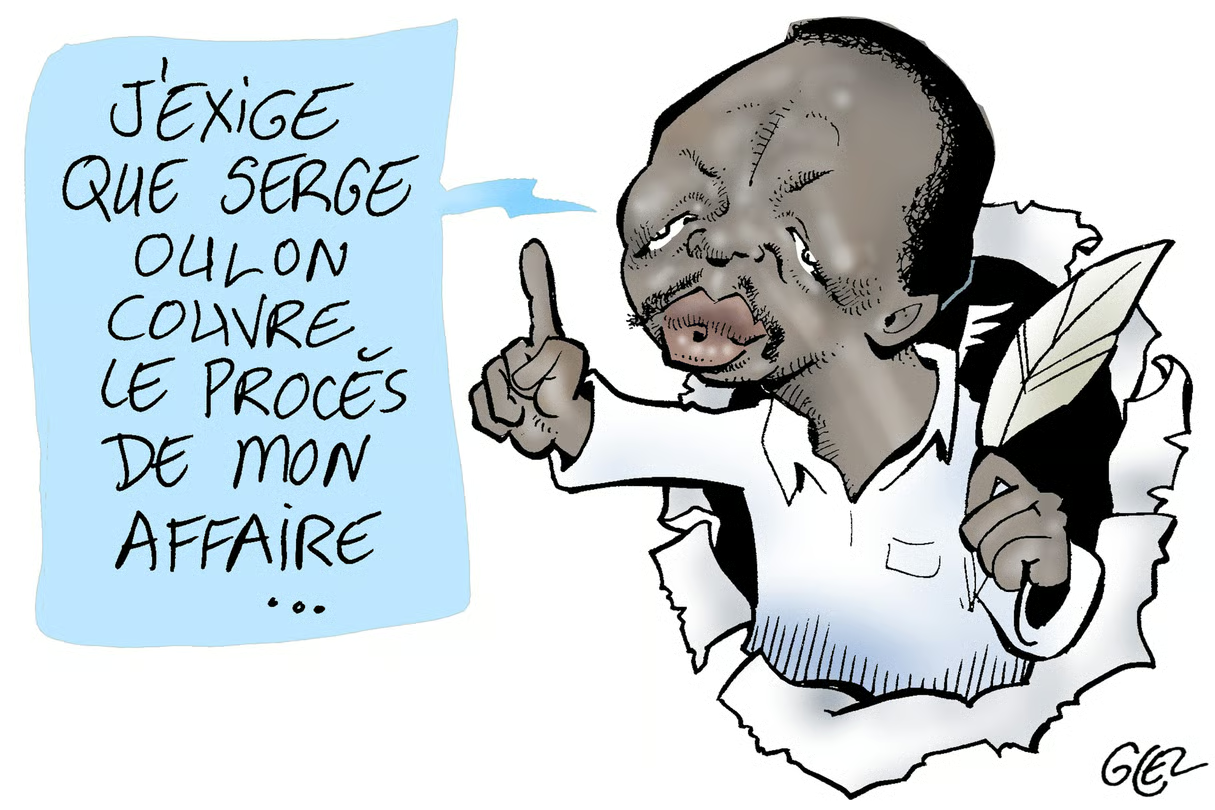
In a significant stride toward justice, Burkina Faso has taken another decisive step in advancing the long-awaited trial of the late investigative journalist Norbert Zongo. The case, which has loomed over the nation for decades, continues to symbolize the fight for press freedom and accountability in the region.
Recent developments indicate that procedural hurdles are gradually being cleared, bringing the judicial process closer to its long-postponed conclusion. Legal experts and activists alike have hailed this progress as a testament to the persistent demand for transparency and the rule of law in Burkina Faso.
Why the trial of Norbert Zongo matters
The case traces back to 1998, when Norbert Zongo, editor-in-chief of the independent newspaper L’Indépendant, was brutally murdered. His death sent shockwaves across West Africa, sparking widespread outrage and protests. Zongo’s reporting had exposed high-level corruption and human rights abuses, making him a target for powerful figures within the country.
For years, the investigation into his killing remained stalled, with allegations of cover-ups and political interference. The renewed momentum in the judicial process now offers a glimmer of hope for the victims’ families and for defenders of press freedom, who have long argued that justice delayed is justice denied.
Key milestones in the journey toward justice
The path to this moment has been fraught with challenges. After initial delays, the case was reopened in 2015, marking a turning point in public perception. Since then, judicial authorities have faced mounting pressure to ensure a fair and thorough trial. Recent procedural moves suggest that the wheels of justice are finally turning, though the road ahead remains complex.
Legal analysts emphasize that the trial’s outcome could set a powerful precedent for Burkina Faso and the broader Sahel region. It would send a clear message that crimes against journalists will not go unpunished, reinforcing the critical role of an independent press in any democracy.
A nation watching closely
The case has transcended its legal dimensions, becoming a rallying cry for civil society groups and international observers. In Ouagadougou, the capital, advocacy campaigns continue to demand swift and transparent proceedings. Meanwhile, human rights organizations have reiterated their commitment to supporting the judicial process, ensuring that it remains free from undue influence.
The trial’s significance extends beyond Burkina Faso. It serves as a litmus test for the country’s ability to confront its past and uphold democratic values. As the nation awaits the next phase of the trial, the world is watching closely, hopeful that justice will finally prevail.