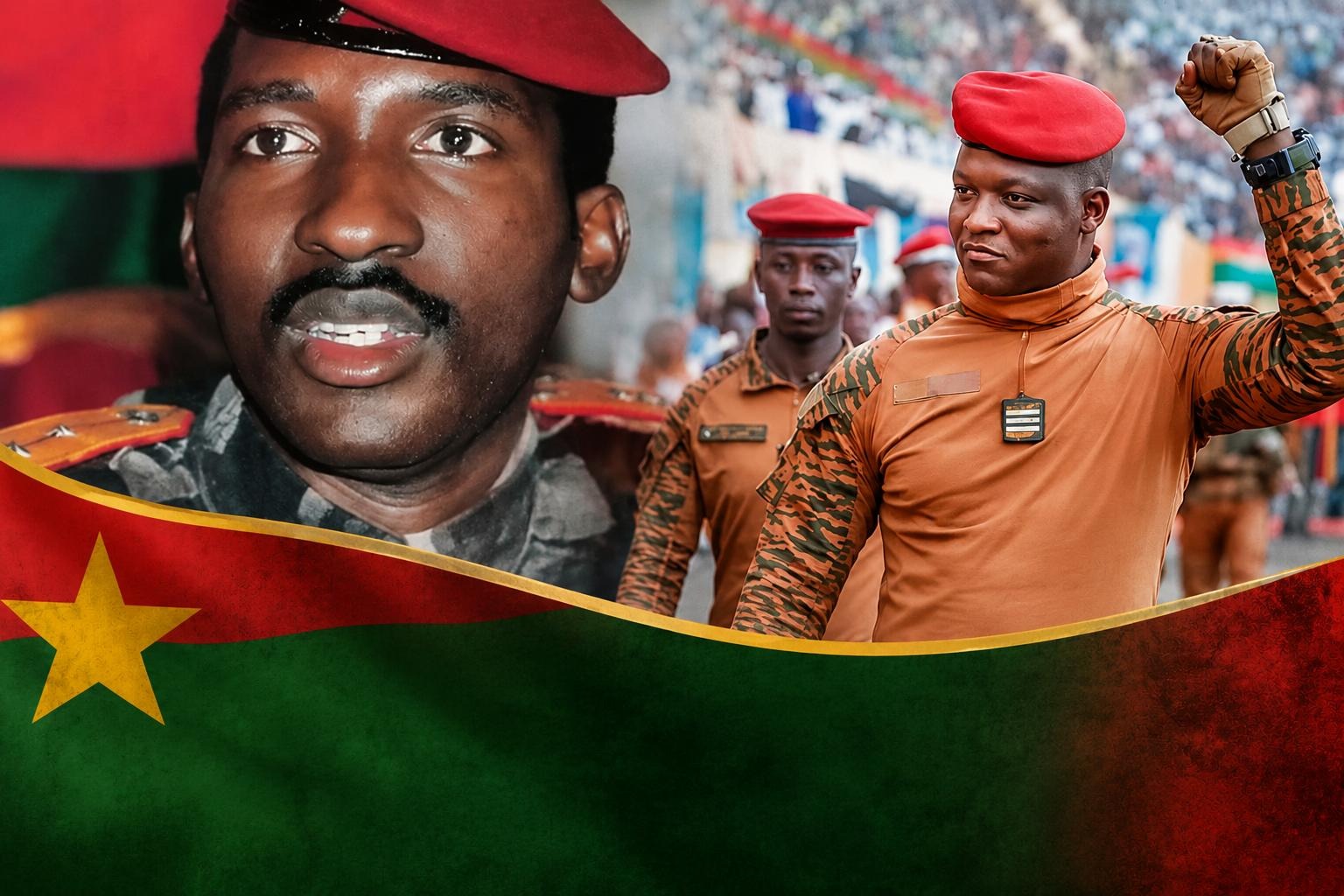
A significant ideological shift has been implemented in Burkina Faso. Effective June 1st, a formal directive mandates that all public administrative bodies adopt the term «camarade» when interacting with citizens and service users.
This measure is integral to the «revolution progressive et populaire» advocated by the transitional authorities, under the leadership of Captain Ibrahim Traoré. It signifies a profound symbolic departure from the administrative conventions inherited from the colonial era.
A semantic and ideological transformation
More than a mere alteration of terminology, the transition from traditional honorifics like «Monsieur» and «Madame» to «Camarade» represents a deep semantic and ideological transformation. The Burkinabè executive asserts that this directive seeks to foster an unequivocal sense of parity between the state and its populace, thereby strengthening national unity amidst a severe security crisis.
The government outlines three primary objectives for this policy:
- Eradicating Hierarchies: To dismantle conventional protocol barriers separating state agents from the general public, thus fostering a closer relationship between administration and citizens.
- Bolstering National Unity: To cultivate a robust and egalitarian collective identity, deemed essential for confronting the nation’s profound challenges.
- Asserting Sovereignty: To disengage from Western forms of address, which the current regime views as remnants of bourgeois or colonial culture.
The resurgence of Sankarist heritage
For observers of West African politics, this decision distinctly echoes the Révolution Démocratique et Populaire (RDP) led by Captain Thomas Sankara from 1983 to 1987. During that period, the term «camarade» was a fundamental element of the revolutionary rhetoric and culture.
This revival of nomenclature, in the assessment of regional political analysts, aims to harness the historical and popular legitimacy associated with Thomas Sankara, a figure who continues to inspire and resonate deeply with Burkinabè youth.
This embrace of Sankarist principles is not isolated; it accompanies several other significant foundational decisions enacted over recent months. These include a revised transitional charter, a rigorous promotion of indigenous development initiatives, and a comprehensive reorientation of regional and international geopolitical partnerships.
Contrasting perspectives within society
The implementation of this directive is eliciting varied responses across the nation:
- Endorsement from Regime Supporters: Adherents of the transitional government universally commend this measure as both patriotic and historically significant. They contend that it re-centers the citizen within public action, dismantles elitism, and fosters a vital sense of collective spirit during a period of crisis.
- Reservations from Skeptics and Opposition: Conversely, critical voices perceive this as an undue emphasis on purely ideological symbols. They argue that the state’s paramount priorities should remain squarely focused on territorial security, the safe return of internally displaced populations, and the vigorous campaign against terrorism.
- Practical Challenges for the Administrative Sector: Within ministries and prefectures, public servants are confronting immediate managerial and cultural adjustments. They must now swiftly adapt all official communications, forms, and protocols for both in-person and telephone interactions.
As Burkina Faso navigates substantial security and humanitarian challenges, the transitional administration is wagering that semantic shifts can serve as a potent instrument for mass mobilization. The ultimate question remains whether the adoption of this revolutionary lexicon will be sufficient to durably solidify the national unity that Ouagadougou seeks to achieve.