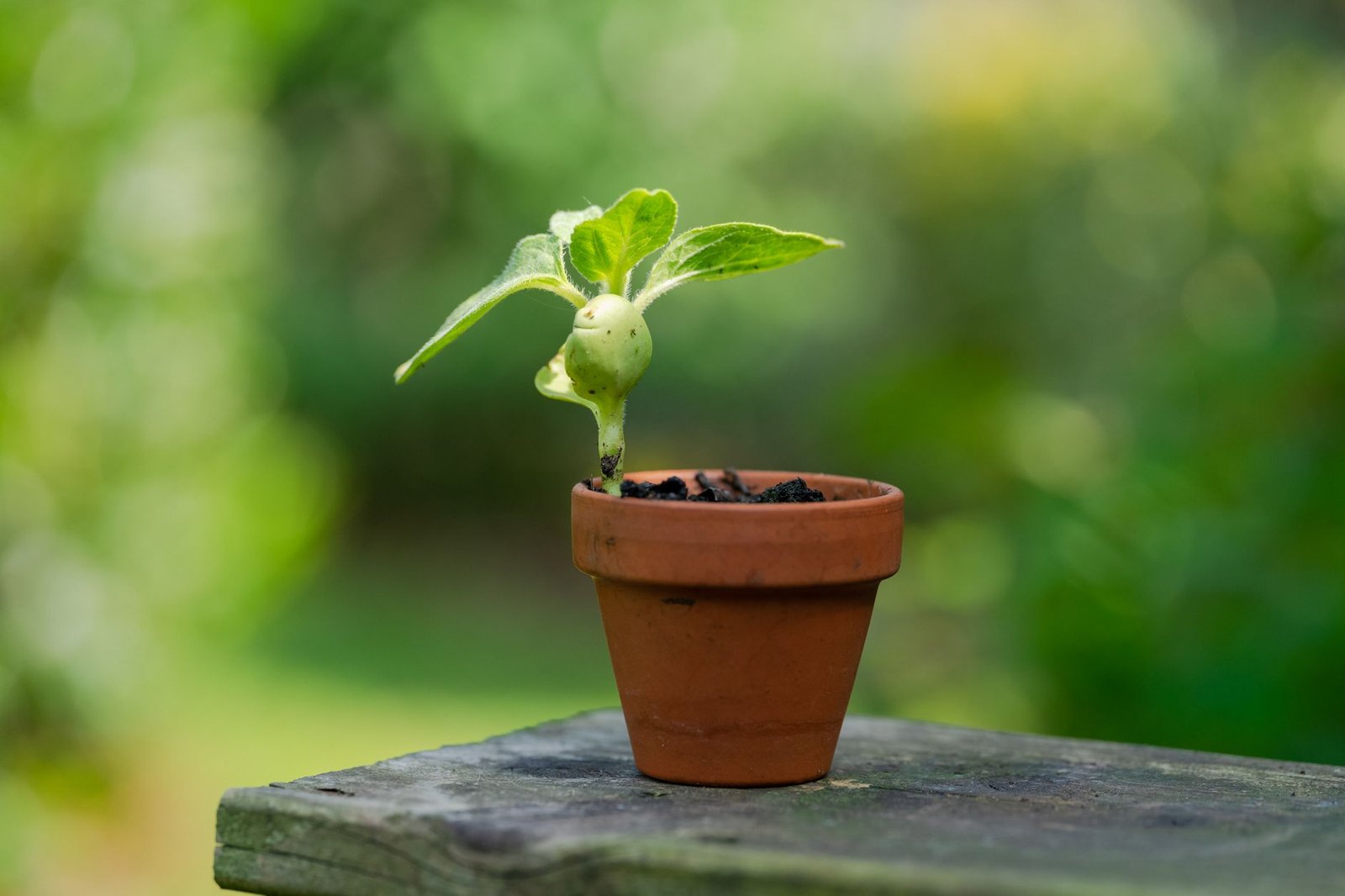
Gabon has taken a decisive step to regulate the exploitation of its biodiversity by imposing strict controls on iboga, a Central African shrub renowned for its psychotropic and therapeutic properties. Libreville now requires prior administrative authorization for any activity involving the harvesting, processing, transfer, or export of this emblematic plant. This move aims to curb unchecked exploitation of wild populations, whose economic value has surged over the past decade.
Iboga: a strategic resource now under state supervision
The Tabernanthe iboga thrives in Gabon’s equatorial forests and holds deep cultural significance as a cornerstone of the bwiti initiation ritual. Beyond its traditional use, the plant is increasingly studied for its potential in treating opioid and cocaine addictions. This dual role—cultural and medicinal—has intensified global interest, often leading to unsustainable harvesting practices in the wild.
To address this, the Gabonese government now mandates prior approval for all iboga-related operations, including collection, processing, and commercial transactions. This decision builds on earlier conservation measures, such as the plant’s designation as a national cultural heritage in 2000. Violations will face strict penalties, ensuring compliance with the new framework.
Combating biopiracy with stricter regulations
The new rules address long-standing concerns over foreign exploitation of Gabon’s natural resources without equitable benefits for local communities or the state. European and North American clinics have long marketed ibogaine-based therapies—derived from iboga’s root—at premium prices, relying heavily on Gabonese forest sources. Unregulated wild harvesting has threatened the plant’s survival, prompting Libreville to enforce tighter oversight.
By strengthening legal controls, Gabon seeks to track resource flows, enforce quotas, and negotiate access and benefit-sharing agreements aligned with the Nagoya Protocol, to which the country is a signatory. This approach mirrors strategies adopted by other Congo Basin nations to safeguard their genetic resources. However, enforcement remains a challenge in Gabon’s vast and remote forest regions, where illegal trade in non-timber forest products persists.
Balancing tradition and industry in a sustainable iboga economy
Beyond enforcement, the new regulations pave the way for a structured national iboga industry. Local practitioners, village cooperatives, and industrial actors must now navigate a clear administrative pathway. The country faces a dual challenge: protecting slow-regenerating natural populations while capturing the added value of a globally sought-after medicinal plant.
Key questions remain unanswered: What criteria will determine authorization eligibility? Which ministry will oversee applications? How will traditional knowledge holders from the bwiti tradition be included? The system’s credibility hinges on transparent procedures and the government’s ability to balance economic interests with conservation imperatives.
For international investors and partners, the message is unambiguous: iboga is no longer a freely accessible resource. Gabon, which has recently pioneered initiatives like carbon credits and forest certification, continues to reinforce its ecological sovereignty strategy. The success of this reform will depend on the resources Gabon dedicates to its implementation—human, technical, and financial.