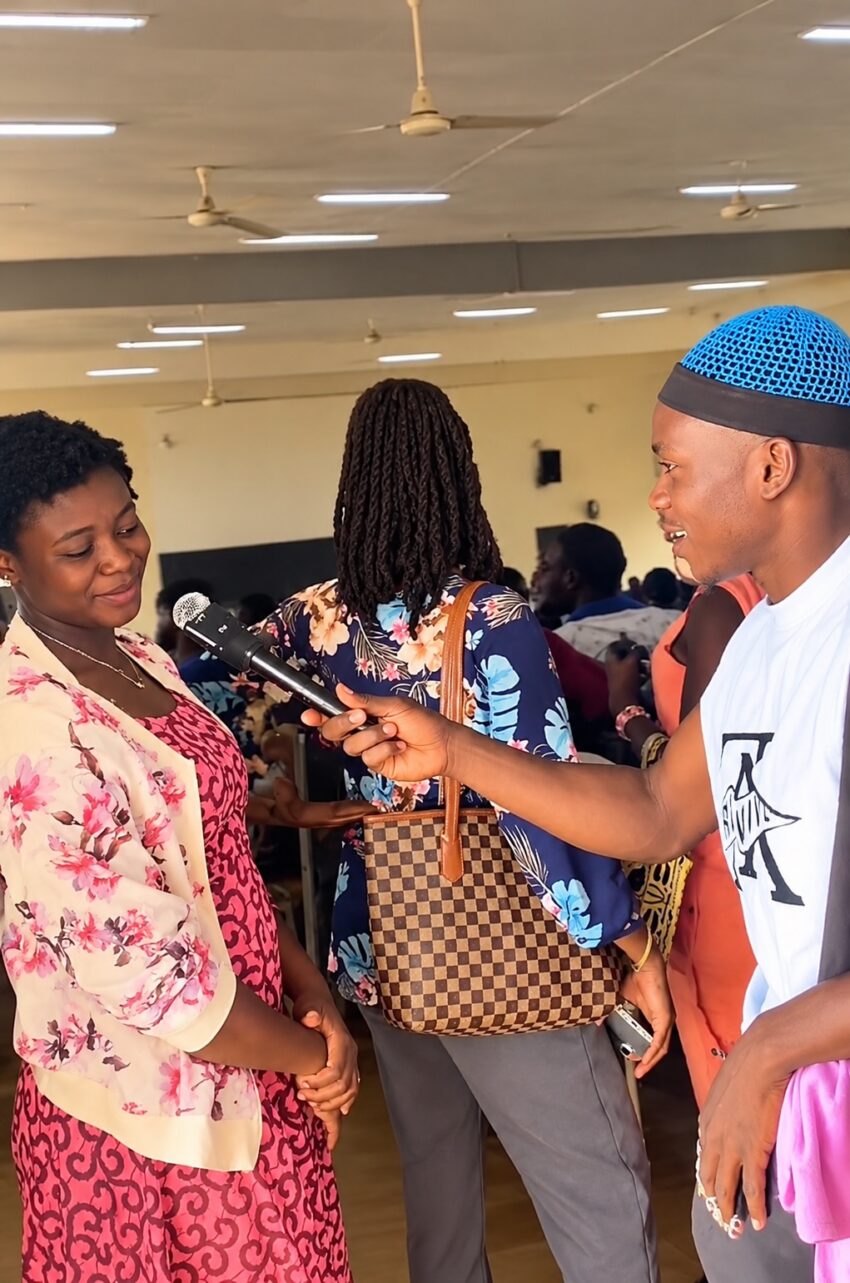
From hope to frustration: what happens when promised university improvements fail students
Bachelor graduates in Burkina Faso once returned home with optimism, drawn by government pledges of modernized university facilities and expanded classroom capacity. But students are now facing a harsh reality: overcrowded lecture halls, insufficient seating, and overwhelmed faculty contradicting the official narrative of progress. The consequences extend beyond frustration; they risk delaying an entire generation’s education and undermining national development goals.
Empty promises behind the push for university modernization
Since taking leadership, transitional authorities have emphasized educational transformation as a cornerstone of national sovereignty and progress. Official communications repeatedly highlighted new infrastructure, expanded facilities, and improved learning conditions as evidence of Burkina Faso’s evolving university system.
Yet on campuses across the country, students report the opposite. Lecture halls designed for 100 fill with 250 or more. Registration systems buckle under demand. Students arrive early to secure seats, only to be turned away as classes reach capacity. These are not isolated incidents they reflect a systemic mismatch between policies and the needs of a growing youth population.
Official data reveals the true scale of the crisis
The scale of the discrepancy appears stark when examining publicly available figures. In mid-2023, government officials confirmed that Burkina Faso’s public universities enrolled over 190,000 students but had fewer than 90,000 officially recognized seats. This imbalance explains daily scenes of students sitting on floors, sharing desks, or skipping classes due to lack of access.
Compounding the problem is a severe faculty shortage. With an average ratio of one lecturer per 109 students far exceeding the recommended 1:25 standard individual attention is impossible. Many courses operate without enough qualified staff, and academic schedules remain disrupted by logistical delays.
The official assessment also cited chronic shortages in internet connectivity, outdated laboratory equipment, and poor governance as barriers to effective learning. Together, these factors demonstrate that infrastructure alone cannot resolve deeper systemic issues without sufficient human resources, planning, and transparency, new buildings offer little more than symbolic value.
Students pay the price of unmet expectations
For many young Burkinabè, enrolling in a local university is a deliberate choice. It reflects trust in national progress and a desire to contribute to building a stronger future. But when promised modern lecture halls turn out to be packed beyond capacity, that trust erodes rapidly. Students who returned home based on government assurances now face cramped conditions, reduced teaching quality, and delayed graduation timelines undermining their academic and professional trajectories.
Some families have invested considerable resources into their children’s education, believing that local universities were becoming viable alternatives to studying abroad. When those expectations are unmet, the financial and psychological toll is significant. Parents question their sacrifices. Students reconsider their career paths. And the nation risks losing valuable human capital to migration or alternative sectors.
Why transparency matters more than propaganda
Governments often use education announcements to project progress and reinforce legitimacy. But when reality contradicts these claims, credibility suffers and so does public confidence in institutions. Students are not asking for grand visions; they need verifiable improvements: accurate enrollment data, updated seat availability, functional equipment, and reliable faculty ratios.
Without such transparency, announcements of “transformed universities” risk becoming mere political messaging noise that drowns out the legitimate grievances of learners. To restore trust, authorities must move beyond declarations and publish detailed, up-to-date information on university capacities, current enrollments, and concrete steps to address shortages.
A test of leadership beyond rhetoric
Ibrahim Traoré’s government faces a defining moment: will it be measured by the volume of its education announcements or the substance of its actions? The true benchmark of reform lies not in glossy brochures or staged photo opportunities, but in measurable outcomes seats for every student, qualified instructors, functional infrastructure, and academic calendars that run on time.
Until these conditions are met, the gap between promise and reality will continue to grow. Burkina Faso’s universities cannot be platforms for political signaling; they must be engines of opportunity for its youth. And in a nation where education is a strategic pillar of development, the cost of failure extends far beyond the classroom it risks shaping the country’s future for decades to come.
By Martin Ngu — Journalist