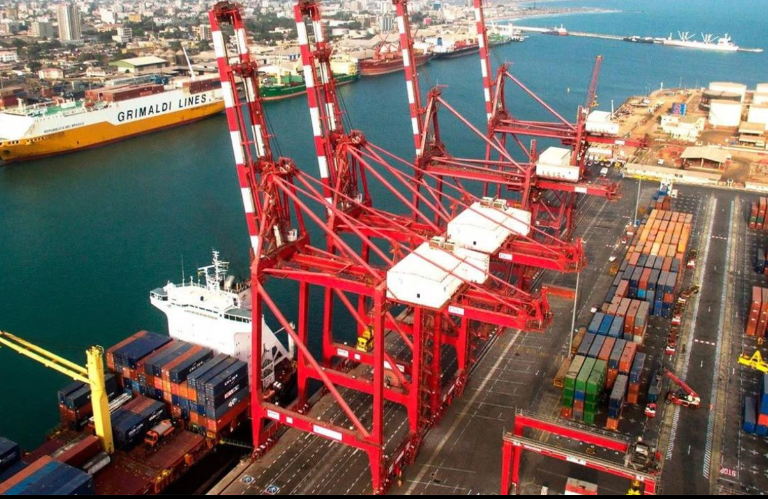
The 8.2% Economic Surge: A Double-Edged Sword for Benin’s Citizens and Businesses
The Bénin economy recorded an 8.2% real GDP growth rate in early 2026, a figure that, while impressive on paper, masks a stark divide between macroeconomic gains and the lived realities of its citizens. Hailed as a milestone by observers, this surge reflects a deliberate shift from raw material exports toward industrialization—yet the question lingers: who, precisely, is benefiting from this transformation?
On the surface, the numbers tell a compelling story. A rigorous FMI assessment confirms that Bénin is not just growing—it is redefining its economic identity. But behind the headlines lies a nuanced reality: while global markets may welcome Beninese industrial output, the domestic economy is still struggling to absorb the rising tide of opportunity. For the average citizen, especially in rural and semi-urban zones, the promises of industrialization feel distant, deferred, and unevenly distributed.
From Cotton Fields to Factories: The Promise and Peril of Local Transformation
At the heart of Bénin’s industrial vision lies a bold plan: to stop shipping raw cotton offshore and instead manufacture textiles, garments, and value-added agricultural products within the country. The Government-backed industrial hub in Glo-Djigbé (GDIZ) is intended to serve as the engine of this transformation, promising not only to create jobs but also to elevate Benin’s profile as a key player in global supply chains.
Yet as the GDIZ nears full operational capacity, a troubling picture emerges. While the zone is expected to attract foreign and domestic investment, there is a persistent shortage of skilled labor to operate advanced machinery. Training programs, though expanding, are still catching up with demand. The result? A growing gap between the industrial infrastructure being built and the workforce ready to sustain it.
Local entrepreneurs in the textile and agro-processing sectors report rising operational costs, inconsistent utility supply, and bureaucratic hurdles—factors that threaten to neutralize the job-creation benefits touted by policymakers. The very investments meant to empower communities may, in some cases, be widening inequality.
Rural Realities: When Industrial Growth Doesn’t Reach the Countryside
Despite the national headline growth, large segments of Bénin, particularly agricultural zones in the northwest and central regions, remain disconnected from the industrial boom. Smallholder farmers, who form the backbone of rural economies, continue to face price volatility, limited access to finance, and inadequate road networks to transport goods to urban processing centers.
Even where factories are rising, local sourcing of raw materials remains inconsistent. Many processors still import cotton and cashew from neighboring countries due to local supply chain inefficiencies. This creates a paradox: the country is producing more goods for export, yet not enough income stays within rural communities that supply the raw materials.
The Export Ambition: Can Bénin Compete in Global Markets?
The government has set its sights on penetrating high-value markets in Europe, China, and the United States. The logic is sound: producing garments under the “Made in Benin” label promises higher margins than shipping raw cotton. But to succeed, Bénin must meet stringent international standards in quality control, traceability, and sustainability.Early adopters—textile firms exporting to Europe—are already reporting delays due to certification bottlenecks. Meanwhile, Chinese buyers, seeking lower-cost alternatives to Vietnam and Bangladesh, are placing orders but demanding drastic price cuts. This competitive pressure threatens profit margins and, by extension, the sustainability of the jobs being created.Without targeted support—technical training for workers, subsidies for certification, and streamlined customs procedures—even the most ambitious industrial exporters may struggle to turn potential into profit.Security, Climate, and Economic Fragility: The Underlying Risks to Growth
The FMI has flagged three existential threats to Bénin’s growth trajectory: volatile global commodity prices, persistent regional security challenges, and climate-induced shocks. Each poses a direct threat to the new industries taking root.
In northern Bénin, near the border with Burkina Faso, sporadic incursions by armed groups have disrupted supply routes and raised insurance costs for exporters. Meanwhile, extreme weather—droughts followed by floods—has destroyed harvests and delayed raw material deliveries to processing plants. These disruptions ripple through an economy still fragile from decades of reliance on agriculture.
To safeguard progress, Bénin must invest in resilient infrastructure: climate-resilient warehouses, secure transport corridors, and renewable energy grids. Without such measures, even a robust industrial policy could falter in the face of unpredictability.
The Path Forward: From Growth Metrics to Citizen Prosperity
Bénin’s 8.2% growth is not just a statistic—it is a pivotal moment. It offers a chance to break away from the cycle of raw material dependency and build an economy that works for all. But to do so, the country must move beyond infrastructure announcements and industrial zone ribbon-cutting ceremonies.
The real test lies in inclusive execution: training a new generation of factory workers, empowering local suppliers, and ensuring that rural communities see tangible returns. Only then can Bénin’s industrial leap translate into shared prosperity—not just headlines.
As the global demand for sustainable and diversified supply chains grows, Bénin stands at a crossroads. Will it become a model of inclusive industrialization—or remain a case study in potential unrealized?
Key Takeaways for Policymakers and Business Leaders
- Workforce readiness: Expand vocational training, especially in technical fields like textile engineering, food processing, and logistics, to match industrial demand.
- Local value retention: Strengthen backward linkages so rural producers retain more of the value chain, from farm to factory.
- Regulatory agility: Simplify business registration, reduce red tape, and fast-track quality certifications to help SMEs enter export markets.
- Resilience investments: Prioritize climate-smart infrastructure and secure transport networks to shield industries from external shocks.