The artisanal gold mining sector in Cameroon is facing a major disruption. The National Mining Company (SONAMINES), the state’s operational arm for gold and diamond trade, has temporarily halted the issuance and renewal of licenses for purchasing offices. This move has sparked tension within the industry and drawn criticism from the National Union of Diamond, Gold and Artisanal Miners’ Purchasing Offices (SYNAPROBADIOCAM).
Ousmanou Aladji Hamadou, the union’s leader, is urging authorities to resume administrative procedures promptly. He warns that nearly 200 purchasing offices are now unable to operate legally due to expired licenses, pushing the informal gold trade into unregulated channels. This regulatory gap, he argues, fuels illicit gold trafficking within Cameroon.
Administrative freeze triggers unintended consequences
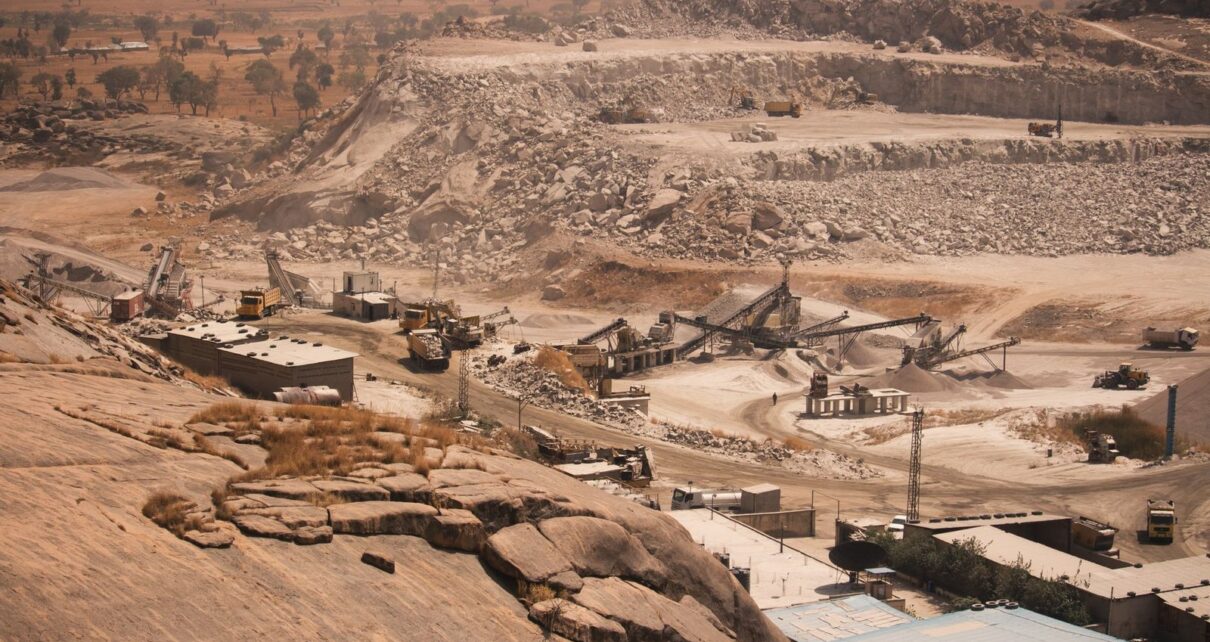
While SONAMINES intended to tighten oversight of the artisanal mining sector—known for its weak controls—the freeze has backfired. Without official channels, gold produced by local miners is now leaving the country through informal routes, bypassing tax collection and production tracking systems.
The union estimates that hundreds of operators, both established and aspiring, are left in limbo. Many are forced to either wait indefinitely or shift to gray-market operations. For the Cameroonian Treasury, the financial impact remains unclear, but the loss is compounded by weakened traceability—a key goal of Yaoundé’s mining policy.
Cameroon is not alone in this challenge. Across Central Africa—from Congo to the Central African Republic—governments struggle to regulate artisanal gold flows into formal markets. Cross-border smuggling, driven by tax disparities and regulatory loopholes, siphons off a significant share of regional gold production.
SONAMINES under scrutiny for its regulatory role
Established to streamline mining governance and centralize the trade of precious metals, SONAMINES holds a pivotal position in Cameroon’s mining sector. It is designed to ensure state preemption on gold and diamonds while structuring interactions with private purchasing offices. Yet, the agency now faces backlash for freezing license renewals.
The union argues that the freeze harms both purchasing offices and artisanal miners, particularly those in the East, Adamaoua, and Northern regions who rely on these offices to sell their gold. Without legal outlets, miners are turning to informal buyers—often foreign traders—who export the gold without contributing to Cameroon’s tax revenue.
Balancing regulation and growth in gold trade
SYNAPROBADIOCAM is calling for structured talks with mining authorities and SONAMINES to resolve the crisis. The union’s demands include resuming license issuance under a clear framework and implementing controls that don’t stifle legal operators. Formalizing 200 purchasing offices, it argues, could create new tax revenue streams and strengthen supply chain transparency.
The issue extends beyond corporate interests. It challenges Cameroon’s strategy to diversify its extractive economy, long dominated by hydrocarbons. Properly regulated artisanal gold mining could become a key contributor to public revenue and a driver of rural employment.
The path forward remains uncertain. Will the authorities lift the freeze with conditions, or will they tighten licensing criteria further? Either way, the credibility of Cameroon’s gold trade system hinges on the government’s ability to balance strict oversight with operational efficiency.