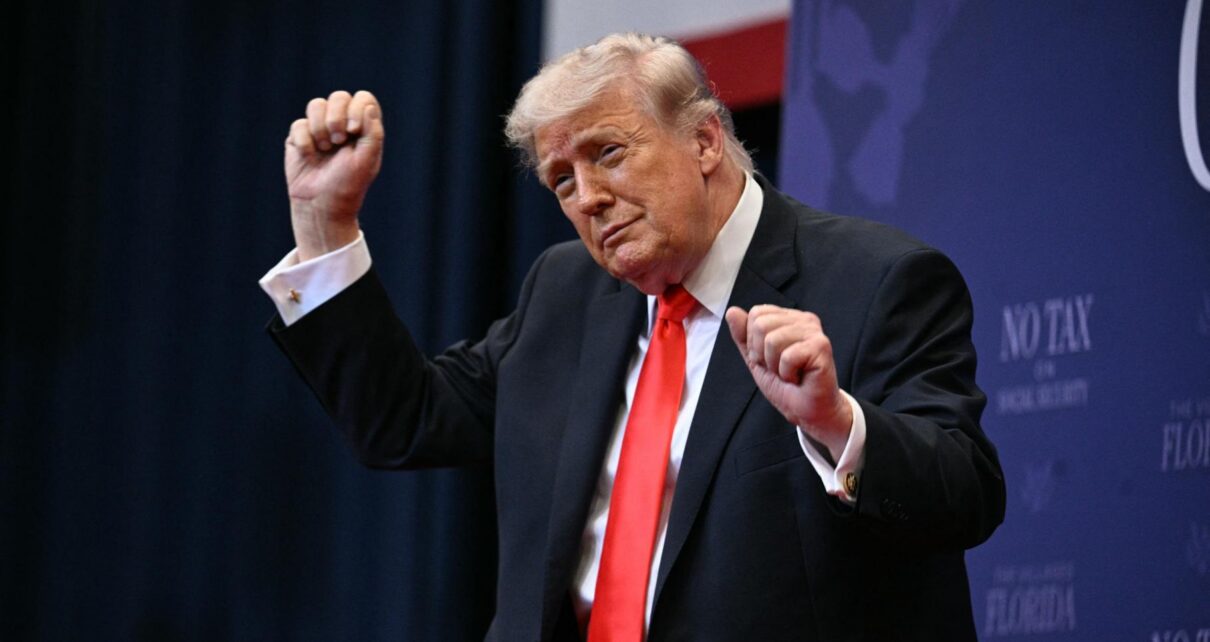
In a bold and unmistakable gesture, Morocco has paid tribute to former U.S. President Donald Trump in a manner befitting his distinctive style. By royal decree, King Mohammed VI has officially named a major highway after Trump, linking southern Morocco to the contested territory of Western Sahara—a move announced through the country’s official agency.
The newly christened Donald J. Trump Highway spans an impressive 1,055 kilometers, making it the longest road infrastructure in all of Africa. The decision was communicated in a formal letter sent by the Moroccan monarch to President Trump on July 2, highlighting the historic significance of the gesture.
An unprecedented diplomatic milestone
King Mohammed VI expressed deep gratitude in his letter, emphasizing that Trump’s historic recognition of Morocco’s sovereignty over Western Sahara in 2020 would forever remain etched in the nation’s memory. The monarch described the gesture as a tribute to the former U.S. leader’s commitment to peace and friendship.
The highway connects the southern cities of Tiznit and Dakhla, traversing a region rich in phosphate deposits and abundant marine resources. While Morocco controls most of the territory, the United Nations still classifies Western Sahara as a non-self-governing area, fueling a decades-long conflict with the Polisario Front, which seeks independence and receives backing from Algeria.
A gesture that resonated with Trump
In a reciprocal show of appreciation, President Trump responded by reaffirming his unwavering support for Morocco’s autonomy plan in Western Sahara, calling it “the only viable foundation for a fair and lasting solution”. Any alternative path, he argued, would only perpetuate the status quo, which he deemed unacceptable.
On his social media platform, Trump enthusiastically welcomed the Moroccan tribute, sharing his excitement about the prospect of one day traveling the full length of the highway. His post included a video showcasing aerial views of the Tiznit-Dakhla route, a project initiated by King Mohammed VI in 2015.
The infrastructure, though still under development, includes a high-speed segment between Tiznit and Laâyoune—the heart of Western Sahara—extended by a widened national road leading to Dakhla. With an estimated cost of nearly 850 million euros, the project underscores Morocco’s substantial investments in the region.