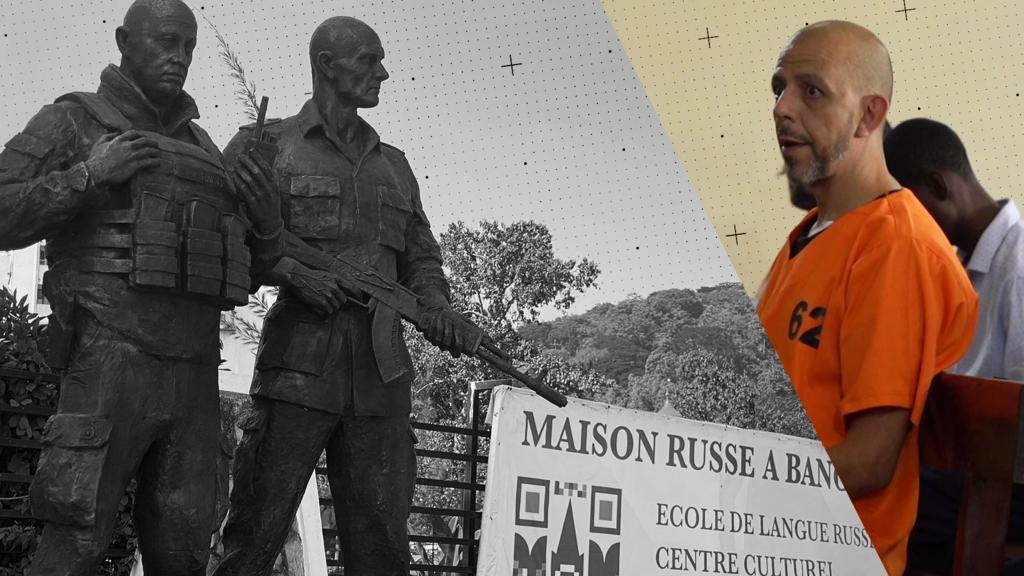
In a disturbing incident that has raised serious questions about foreign interference in humanitarian operations, a Belgian-Portuguese researcher working in the Central African Republic was abruptly detained by forces linked to the Wagner Group. The episode unfolded in the volatile Haut-Mbomou region, where Joseph Figueira, an expert on Fulani communities, had been deployed for a conflict-prevention project funded by the U.S. Agency for International Development (USAID).
On the evening of May 26, 2024, Figueira and his Ivorian colleague were enjoying a farewell gathering with local partners in Zemio, a town in the Haut-Mbomou prefecture—a region plagued by recurring intercommunal tensions. Around 50 people were present when three Wagner operatives, acting as auxiliary forces to the Central African government since 2018, forcefully interrupted the event. Accompanied by a Central African gendarme tasked with translating, the men immediately took Figueira into custody without explanation.
The researcher, who had been in the country for nine days and had met with multiple officials in Bangui and the provinces to prepare the project with local and international partners, was denied the chance to retrieve his documents from his NGO lodgings. Instead, he was manhandled—blindfolded and handcuffed—before being forcibly placed on a flight. Reports indicate he sustained facial injuries during the altercation.
Figueira’s detention occurred amid a broader pattern of coercive tactics employed by Wagner-linked forces in the Central African Republic. Internal documents from the Africa politology group—a communication and influence consultancy tied to the Wagner network—reveal a systematic campaign to undermine perceived adversaries, including humanitarian actors working in conflict zones. The documents, numbering over 1,400 pages, were obtained through investigative efforts that uncovered the group’s ties to Russian state structures following the death of Wagner founder Yevgeny Prigojine in August 2023.
The incident underscores growing concerns about the erosion of operational safety for aid workers in regions where foreign-backed security forces operate outside conventional legal frameworks. As international organizations increasingly rely on local partnerships to deliver critical services, the targeting of researchers like Figueira highlights the precarious balance between humanitarian work and geopolitical interference.