Chad’s president’s pardon decision fuels political thaw speculation
As Chad celebrates its 66th Independence Day, President Mahamat Idriss Déby Itno has signaled his intention to use his constitutional pardon powers. While the identities of those who may benefit remain undisclosed, the announcement has sparked intense debate over the fate of prominent opposition figures, including former Prime Minister Succès Masra.
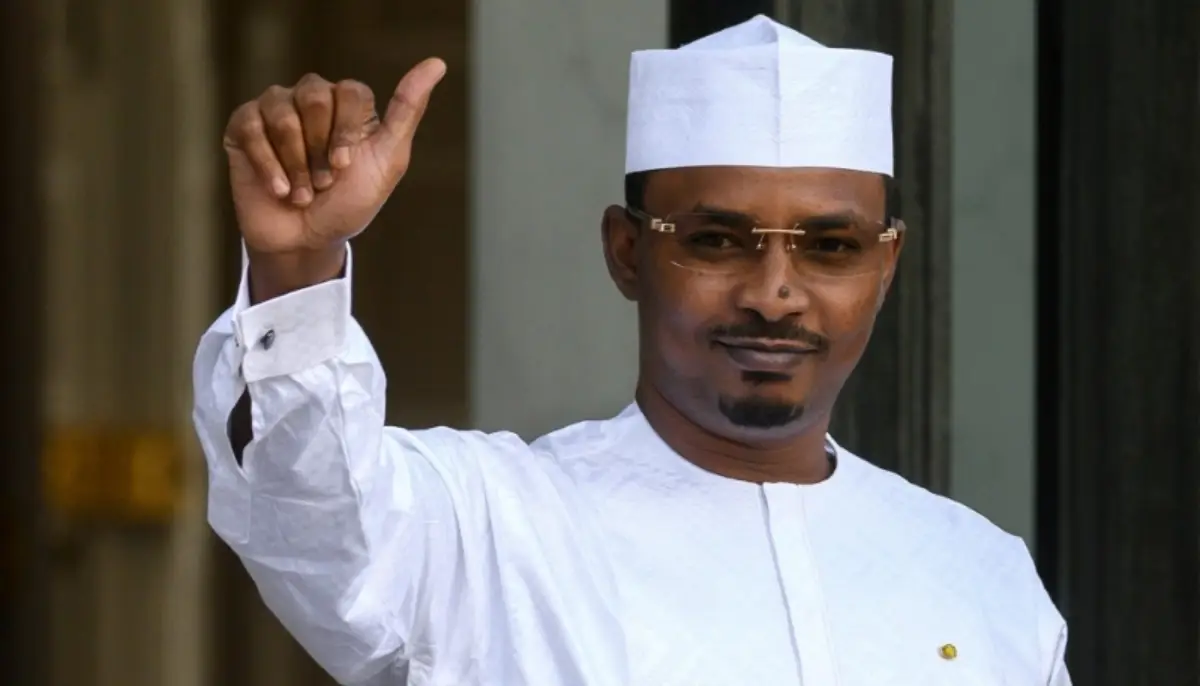
The presidential address, delivered during national festivities, emphasized national unity and reconciliation. The actual impact of the pardon will depend entirely on the upcoming decree, which will specify the beneficiaries and the conditions for sentence reduction or remission.
Uncertainty surrounding the announcement has intensified speculation about detained opposition figures. For months, political coalitions have pressed for confidence-building measures, with the Coalition to Save Democracy in Chad (COSADT), formed in January 2026, calling for political dialogue and the release of what it terms political prisoners.
Succès Masra at the heart of expectations
Former Prime Minister Succès Masra remains the most high-profile figure in this scenario. Convicted in August 2025 to a 20-year prison sentence in connection with intercommunal violence, he was found guilty of disseminating hate speech and complicity in murder. His appeal was rejected by the Supreme Court on May 21, 2026, finalizing his conviction under Chadian law.
This legal milestone paves the way for a potential presidential pardon, a possibility that has been widely discussed in recent months. However, Masra’s party, Les Transformateurs, has consistently advocated for an amnesty rather than a pardon. From January 2026 onward, the party argued that an amnesty would provide a more comprehensive political resolution to his case.
The distinction between the two mechanisms is significant. A presidential pardon typically affects the execution of a sentence—reducing or terminating it—without erasing the underlying conviction. An amnesty, by contrast, addresses the legal consequences of the acts themselves and can carry far greater political implications.
For Succès Masra, the choice between pardon and amnesty could shape his political future. A pardon would offer immediate relief, while an amnesty could facilitate his reintegration into active politics. At this stage, there is no confirmation that he is among those targeted by the president’s announcement.
Other opposition figures caught in calls for de-escalation
The focus is not limited to Succès Masra. COSADT and other opposition groups have repeatedly called for the release of incarcerated leaders and militants, as well as the initiation of direct dialogue with the government. These calls come amid accusations from opposition figures that political tensions have escalated, a claim disputed by authorities who point to institutional stability and adherence to judicial procedures.
The political climate has been further complicated by Chad’s July 27, 2026 announcement of its withdrawal from the Rome Statute of the International Criminal Court (ICC). The decision will take effect one year after notification, in accordance with ICC rules. Opposition demands have since shifted, focusing less on an immediate reintegration into the Court and more on reconsidering the withdrawal process itself.
The upcoming decree will reveal whether the president’s pardon announcement is a routine act of clemency tied to national celebrations or a deliberate political gesture. If Succès Masra or other opposition leaders are included among the beneficiaries, the decision could mark one of the most consequential confidence-building measures since the end of Chad’s political transition.