Congo faces decisive standoff as opposition rallies against constitutional changes
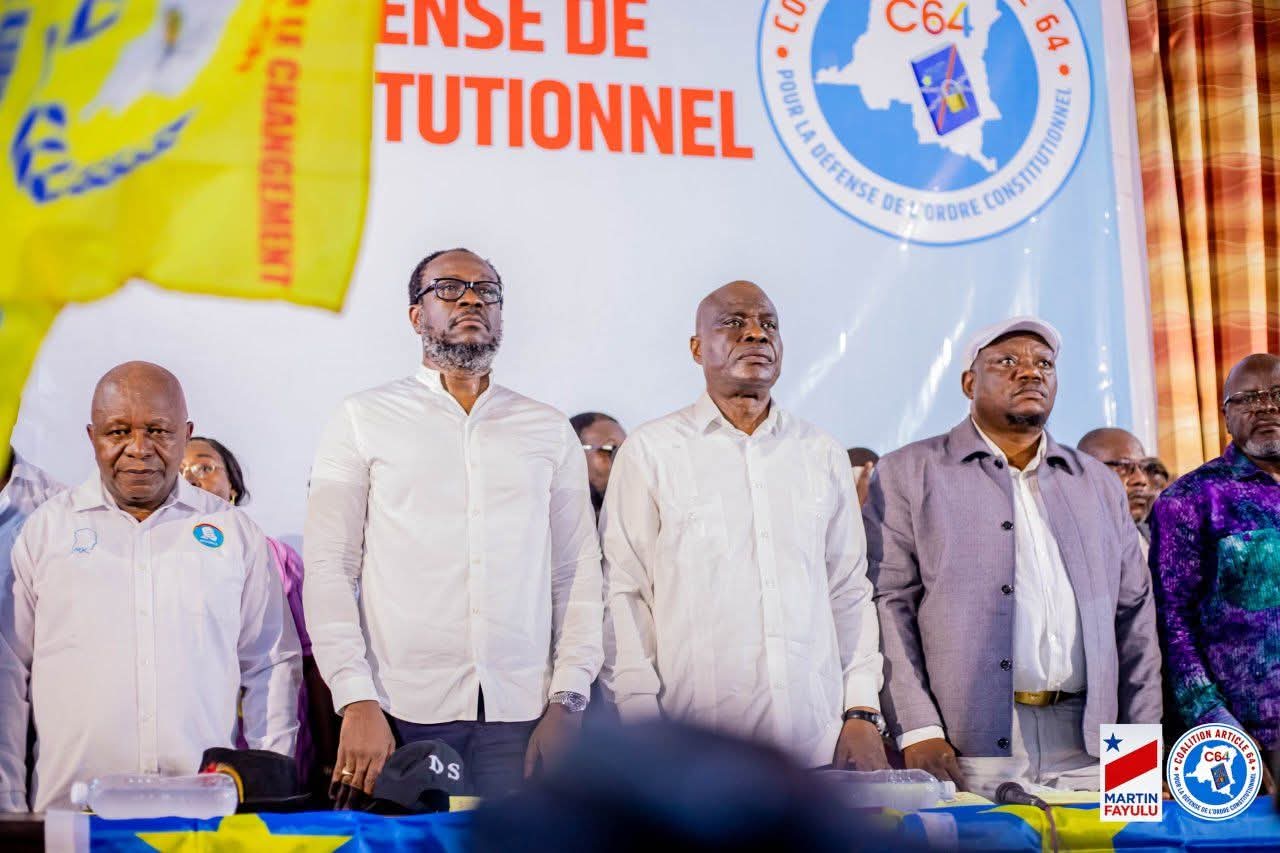
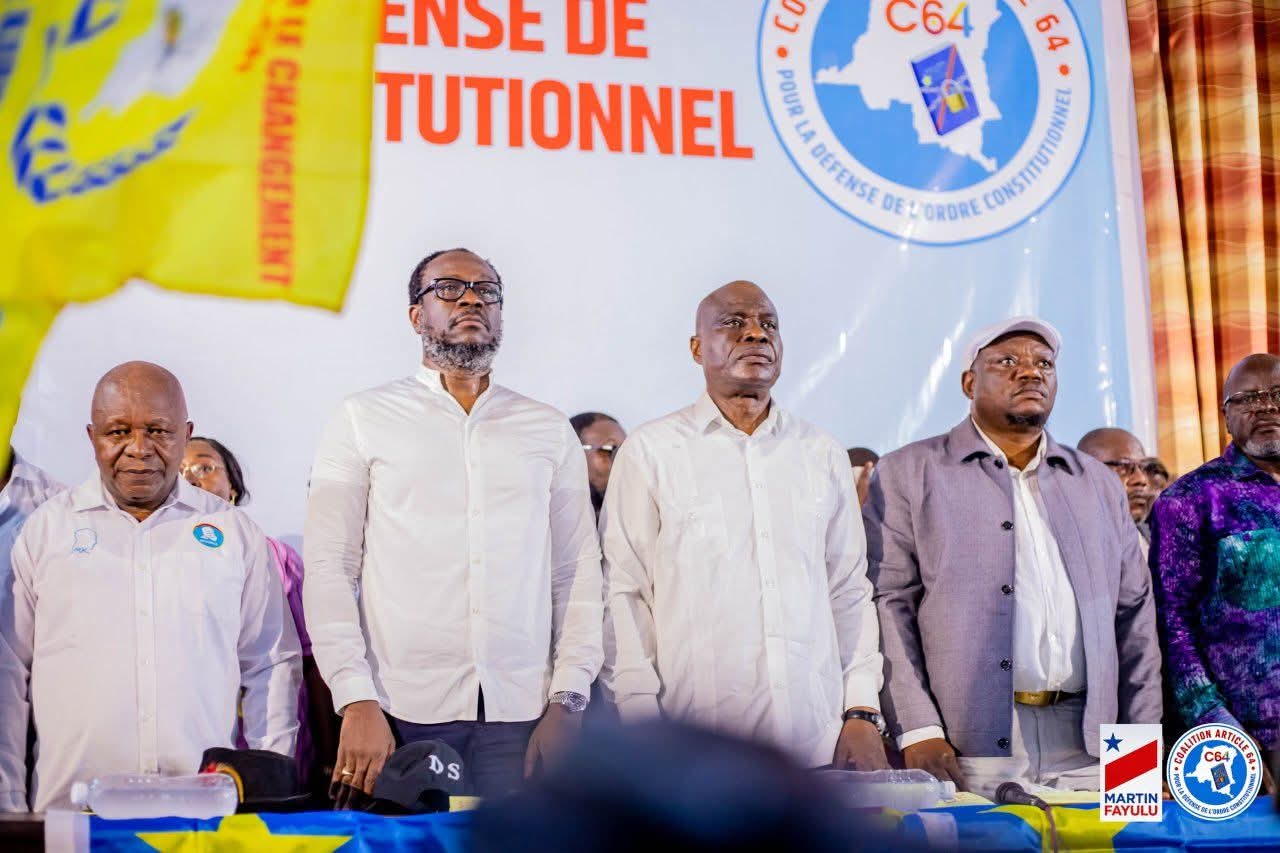
In a bold display of defiance, opposition groups and civil society organizations, united under the banner of the C 64 coalition, called for a nationwide shutdown on June 3rd to protest President Félix Tshisékédi’s push for constitutional amendments that could pave the way for a third term. The response was immediate and widespread, with Kinshasa’s usually bustling streets falling eerily silent as businesses shuttered their doors in solidarity with the protest.
The constitutional revision battle hinges on raw political power
The opposition’s success in mobilizing such a significant turnout signals the beginning of what could become a prolonged confrontation. Their goal is clear: force President Tshisékédi to abandon his ambition for an additional term beyond the two constitutionally mandated mandates. Yet, early indications suggest this will be no easy feat.
The Head of State has shown no signs of backing down, instead opting to bypass constitutional constraints by pursuing a referendum—a move critics argue is designed to lend a veneer of democratic legitimacy to his political ambitions. History in Africa, from Gabon’s late Omar Bongo to other leaders, has repeatedly demonstrated that elections are seldom lost once the rules are bent to favor incumbents. President Tshisékédi appears equally determined to push forward, come what may.
In a calculated counter-move, the Congolese government is rallying its own allies, with influential religious leaders already lining up to organize a pro-government demonstration on June 5th. The stage is set for a high-stakes showdown where the fate of the constitutional revisions will ultimately hinge on which side commands greater influence on the ground.
A president doubling down despite national crises
This gambit comes at a precarious moment for the Democratic Republic of Congo. The nation grapples with crippling security challenges, particularly in the eastern regions where state control has all but collapsed. Adding to the turmoil, a resurgence of Ebola cases continues to claim lives, exacerbating the country’s woes. Critics argue that rather than addressing these pressing crises, President Tshisékédi’s focus on extending his tenure only deepens the nation’s instability.
Months have passed since religious leaders submitted a social pact to the President, urging him to initiate an inclusive national dialogue to tackle the country’s multifaceted problems. Yet, no meaningful progress has been observed. The question remains: Is the President overestimating his political strength, or is he willfully ignoring the lessons of history? In Africa, where political leaders often repeat the mistakes of their predecessors, the latter seems tragically plausible.