A formal legal complaint has been lodged against Ousmane Sonko, the current head of the Senegalese government and a leading figure in Pastef, following public statements he made concerning alleged illicit financial flows within the sacred city of Touba, the spiritual heart of Mouridism. A complainant has approached the prosecutor’s office at the Dakar High Court, requesting a judicial review of these declarations to determine their scope and any potential legal repercussions. This development unfolds amidst an already heightened political climate, characterized by rapid institutional shifts since the new majority assumed power in 2024.
A legal challenge to a prime minister’s public statements
The contentious phrase, “dirty money has entered Touba,” was uttered by Ousmane Sonko during his public discourse on economic moralization and opaque financial channels across the nation. For the complainant, this assertion casts a shadow over the religious city and, by extension, the Mouride community, which forms its spiritual core. The Dakar prosecutor’s office is therefore tasked with legally classifying these remarks, weighing the balance between a political leader’s freedom of expression and the potential for harming the honor of a collective entity.
This judicial initiative brings to the forefront an institutional question rarely settled in Senegal: to what extent can a sitting Prime Minister be prosecuted for statements made during or outside the scope of their official duties? The prosecutor will need to assess the admissibility of the complaint and, if deemed valid, decide whether to initiate a preliminary investigation. Judicial authorities have yet to announce a formal timeline for these proceedings.
Touba: an economic sanctuary and political battleground
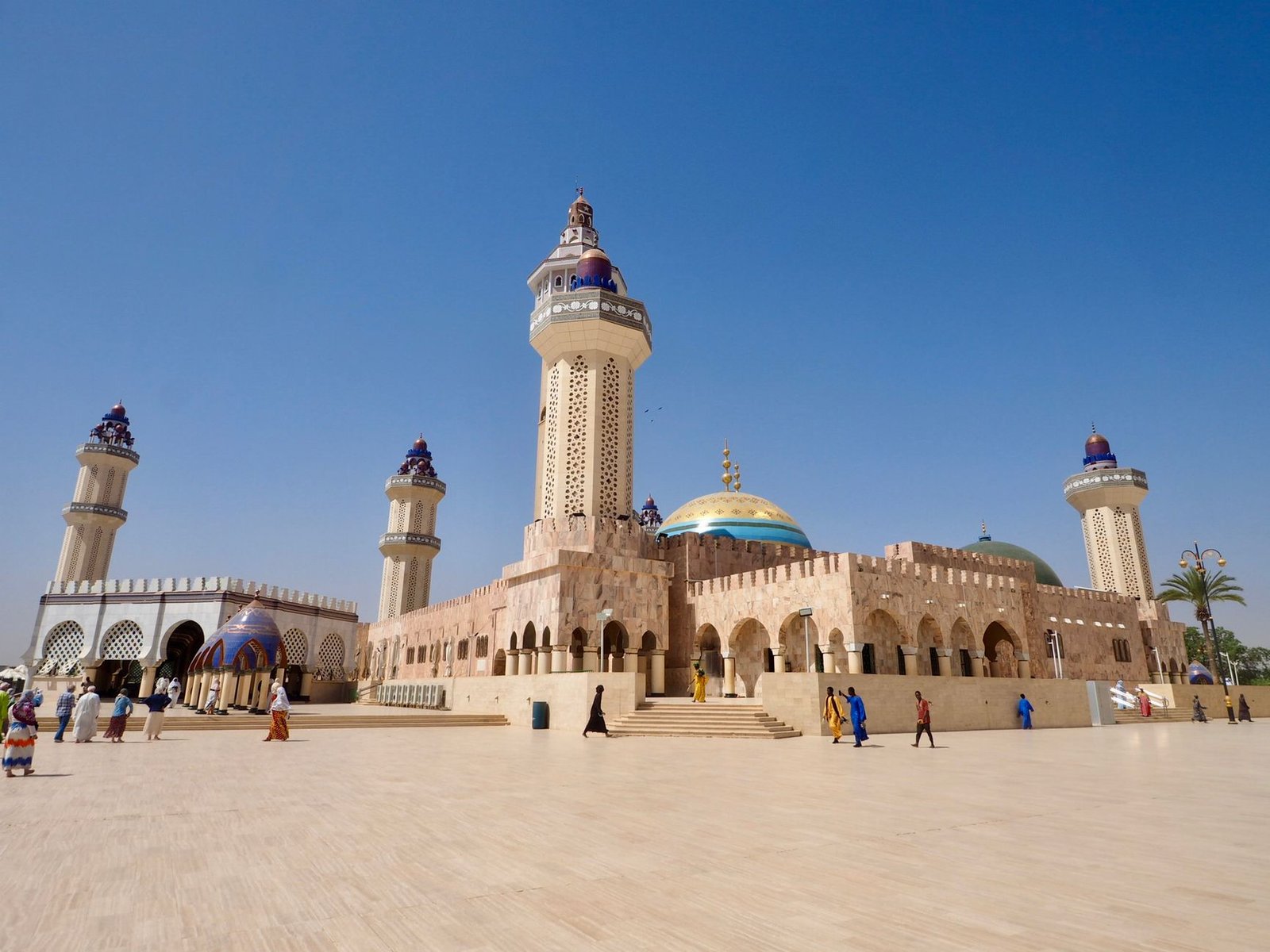
Touba stands apart from other cities in Senegal. Founded in 1887 by Cheikh Ahmadou Bamba, it serves as the spiritual epicenter of the Mouride brotherhood, whose social, economic, and electoral influence remains profound. The city boasts a vibrant commercial sector, significant financial flows linked to trade, real estate, and diaspora remittances, alongside a unique status stemming from a long-standing understanding with the central government. Consequently, any public questioning of Touba’s economic integrity directly impacts a political-religious equilibrium forged over decades.
By referencing the influx of “dirty money” into the holy city, Ousmane Sonko aligns with Pastef’s campaign pledge to combat corruption and money laundering, a cornerstone of his administration since taking office. However, the phrasing, perceived as blunt by some observers, immediately provoked reactions within religious and political circles. Several voices have called for greater clarity on the specific facts being targeted, the individuals involved, and the measures the state’s services are implementing to curb these flows.
A litmus test for state-brotherhood relations
Beyond its purely legal dimension, the complaint filed with the Dakar prosecutor represents a significant test for the historically pivotal relationship between the Senegalese state apparatus and the nation’s prominent religious families. The political class is closely observing how Ousmane Sonko’s government will reconcile its reformist rhetoric with the respect due to the general Khalifas, who have long played a mediating role in the country’s institutional crises.
International investors and partners of Senegal are also monitoring the situation keenly. Dakar is recognized as one of West Africa’s most scrutinized financial hubs, and any official mention of money laundering within its borders fuels discussions at the Inter-Governmental Action Group against Money Laundering in West Africa (GIABA). The handling of this complaint, coupled with the accompanying political response, will reveal much about the new administration’s capacity to balance its anti-corruption agenda with the delicate management of internal dynamics.
The complaint has been formally registered with the Public Prosecutor at the Dakar High Court.