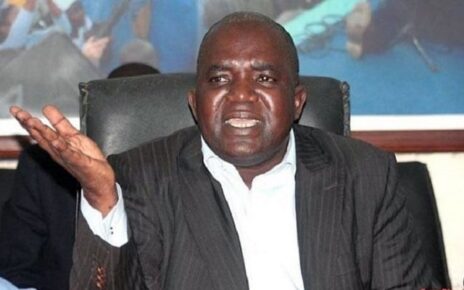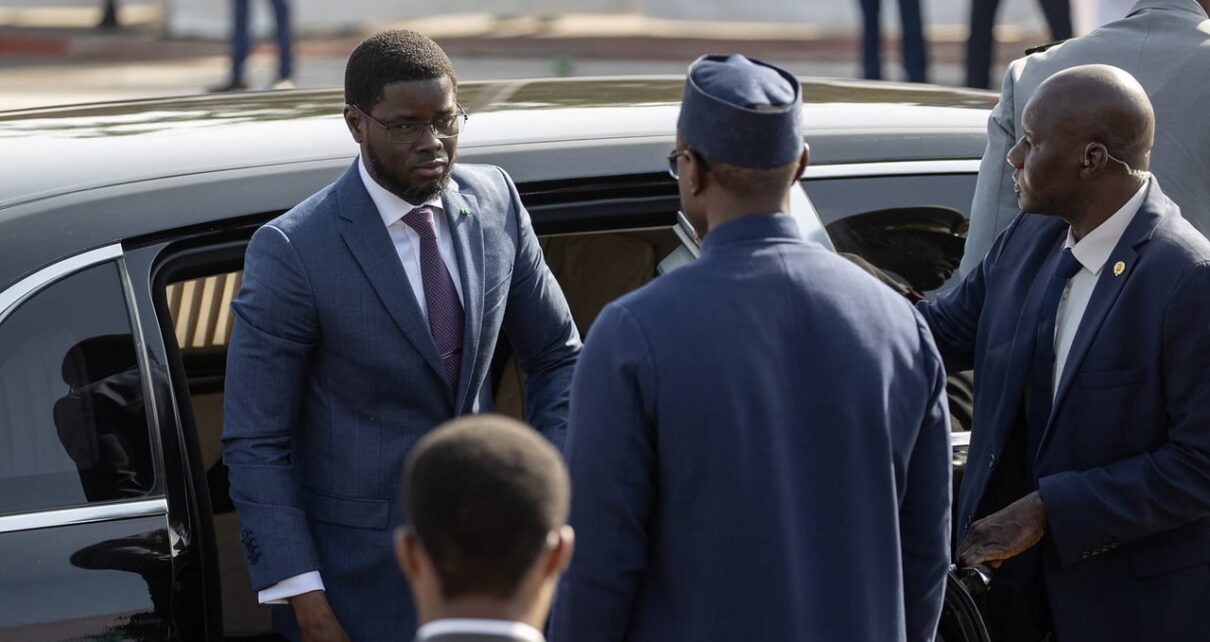

Senegal’s political landscape remains a dynamic battleground where power dynamics shift beneath the surface. At the helm of this transformation stands Bassirou Diomaye Faye, whose ascent has reshaped expectations while navigating the formidable influence of Prime Minister Ousmane Sonko.
the rise of a new leader in Senegal’s political arena
The 49 BCE crossing of the Rubicon by Julius Caesar—where he defied Senate orders by bringing his army across a symbolic river—pales in comparison to the bold decisions shaping Senegal today. Bassirou Diomaye Faye, elected in a historic vote, now faces the delicate task of carving out his own identity while standing in the long shadow of a political mentor whose shadow extends across the nation.
Sonko, once a firebrand opposition figure, has evolved into a central figure in Senegalese governance. His partnership with Faye has created a leadership duo that commands attention, yet questions linger about the boundaries of their respective roles and the future trajectory of their collaboration.
navigating power dynamics in a young democracy
The relationship between Faye and Sonko exemplifies the tensions inherent in transitions of power. While Sonko’s charisma and grassroots support have cemented his position as a kingmaker, Faye’s presidency represents a generational shift toward fresh leadership. This interplay raises critical questions:
- How will Faye assert his authority while maintaining the alliance that brought him to power?
- What compromises must be made to balance reformist ambitions with political stability?
- Can Senegal’s institutions withstand the pressures of this evolving power structure?
The answers to these questions will determine whether this administration can deliver on its promises of change or succumb to the very forces it seeks to overcome.
the risks of political emancipation in Senegal
Faye’s journey toward political emancipation is fraught with challenges that extend beyond personal ambition. The specter of institutional inertia looms large, as entrenched interests resist the winds of transformation sweeping through Dakar. Meanwhile, regional expectations weigh heavily on the new administration, demanding tangible results in a climate of heightened scrutiny.
Critics argue that Faye’s path to independence may be more perilous than anticipated. The delicate balance between honoring Sonko’s legacy and forging his own legacy requires a masterful navigation of Senegal’s complex political terrain. Success hinges on the president’s ability to:
- Consolidate his base without alienating key allies
- Address economic disparities that threaten social cohesion
- Reform governance structures resistant to change
These interconnected challenges form the crucible in which Faye’s leadership will be tested.
looking ahead: Senegal’s political future
As Senegal stands at this pivotal juncture, the world watches to see whether this young democracy can navigate the treacherous waters of political transition. The Faye-Sonko partnership offers both promise and peril—a chance for renewal tempered by the risks of overreach.
The coming months will reveal whether Senegal’s experiment in shared leadership can deliver the stability and progress its people deserve. For Faye, the path to true emancipation may require more than political courage—it may demand a willingness to challenge the very structures that enabled his rise.