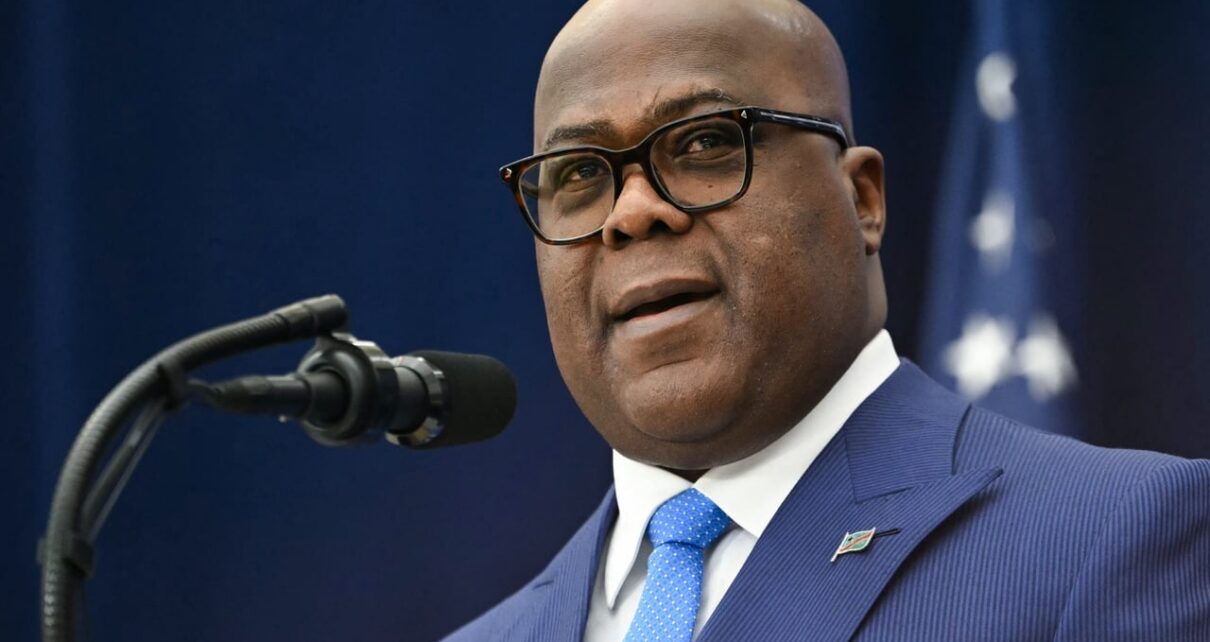
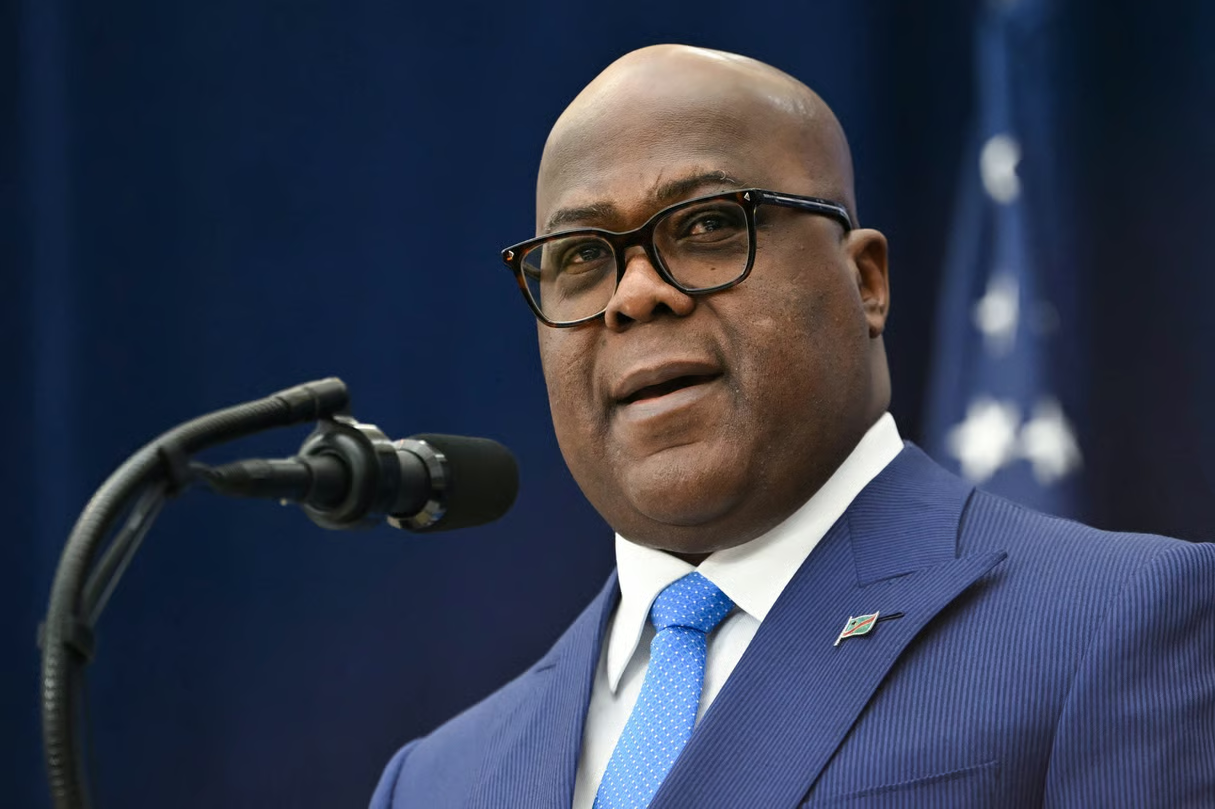
A landmark ruling from the Democratic Republic of the Congo’s top court has paved the way for President Félix Tshisekedi to seek a third term in office. The constitutional council’s decision removes the final legal obstacles ahead of next year’s election, setting the stage for a high-stakes political showdown.
DRC’s top court approves Félix Tshisekedi’s third term eligibility
The Democratic Republic of the Congo’s Constitutional Court has delivered a decisive verdict, validating the legal framework that permits President Félix Tshisekedi to run for re-election in the upcoming 2026 presidential vote. This ruling marks a critical turning point in the nation’s political landscape, with far-reaching implications for governance and democratic processes in the coming years.
Constitutional green light for third term bid
The court’s decision follows months of intense legal and political debate surrounding the interpretation of term limits. Analysts note that the ruling hinges on a nuanced reading of the 2015 constitution, which some legal experts argue contains ambiguities regarding presidential term limits. The majority opinion in the nine-member bench concluded that the current legal provisions do not explicitly bar a third consecutive term for the sitting president.
This judicial endorsement arrives at a pivotal moment for the DRC, as the nation braces for a contentious electoral cycle. Opposition figures have vowed to challenge the decision, raising concerns about the erosion of democratic norms and the concentration of power. Meanwhile, government supporters emphasize the importance of stability and continuity in leadership during a period of significant economic and security challenges.
Political fallout and public reaction
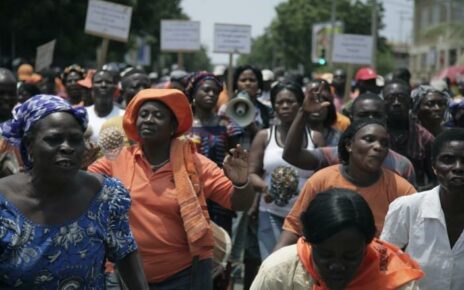
The ruling has sparked immediate reactions across the political spectrum. Civil society organizations have condemned the decision, warning of potential unrest and calling for greater transparency in the electoral process. Pro-government factions, however, argue that the court’s decision upholds the will of the people and reflects the constitutional rights of the president to seek re-election.
Public sentiment remains sharply divided, with some citizens expressing frustration over what they perceive as a circumvention of term limits, while others view the president’s potential third term as essential for maintaining policy continuity and national development. The debate has intensified as political parties begin mobilizing for the upcoming campaign season.
What’s next for the DRC’s political future
With the legal pathway now clear, the focus shifts to the electoral process and the strategies of both ruling and opposition parties. The 2026 presidential election is expected to be one of the most closely watched in the DRC’s recent history, with international observers already preparing to monitor the proceedings. Key issues likely to dominate the campaign include economic recovery, security sector reform, and the management of the country’s vast mineral resources.
As the nation prepares for another pivotal moment in its democratic journey, the court’s ruling has set the stage for a high-stakes political contest that will shape the DRC’s trajectory for years to come.
Key takeaways from the constitutional court’s decision
- Legal precedent: The court’s interpretation of term limits sets a new constitutional benchmark that could influence future electoral contests.
- Political divisions: The ruling has deepened existing fractures within the political elite and civil society, raising questions about national unity.
- Election dynamics: The 2026 vote will test the resilience of the DRC’s democratic institutions amid growing public skepticism about electoral integrity.
- International implications: The decision may impact the DRC’s relationships with regional partners and international donors, particularly regarding governance and human rights standards.