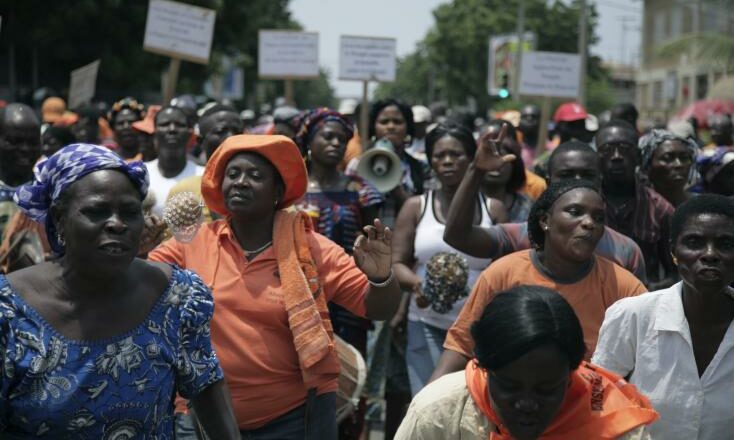
Hundreds of demonstrators took to the streets in Vogan, southern Togo, on Sunday to voice their opposition to the 2024 constitutional amendments. Critics argue the changes pave the way for President Faure Gnassingbé to extend his decades-long rule.
The protest, spearheaded by the National Framework for Change in Togo (CNCC)—a coalition of opposition parties and civil society groups—unfolded roughly 60 kilometers from Lomé. This was the second major gathering organized by the coalition in three months, following an initial demonstration in early May. Such opposition rallies remain a rare occurrence in the country’s current political climate.
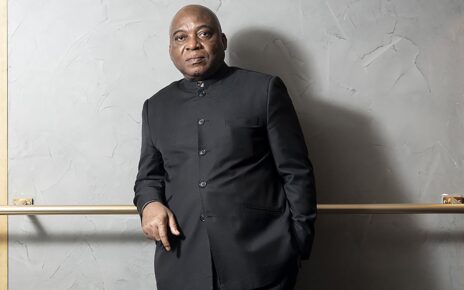
Marchers carried banners with slogans like “No to unconstitutional government changes” and “Constitutional coup”, condemning what they view as an illegitimate power grab. David Dosseh, spokesperson for the Citizen Front Togo Debout (FCTD), one of the mobilizing groups, declared, “The 2024 Constitution is entirely unlawful. It’s a constitutional coup that Togolese citizens will never accept.”
The 2024 constitutional shift significantly altered Togo’s governance structure. It abolished the direct universal suffrage election of the president, replacing it with a parliamentary system. The highest executive role, now titled President of the Council, is held by Gnassingbé, who has led the country since 2005.
While opposition figures and civil society groups allege the reform is designed to perpetuate Gnassingbé’s grip on power indefinitely, government supporters argue the changes enhance institutional representation. Tensions over the amendments have already led to unrest in 2025, with civil society reporting seven deaths and prosecutors citing five drowning-related fatalities.
The Economic Community of West African States (ECOWAS) Court of Justice issued a ruling on January 29, declaring the reform a “constitutional coup.” The Togolese government dismissed the verdict, asserting the court overstepped its authority. According to the administration, the court’s role is limited to overseeing human rights and community law compliance—not ruling on domestic constitutional matters.