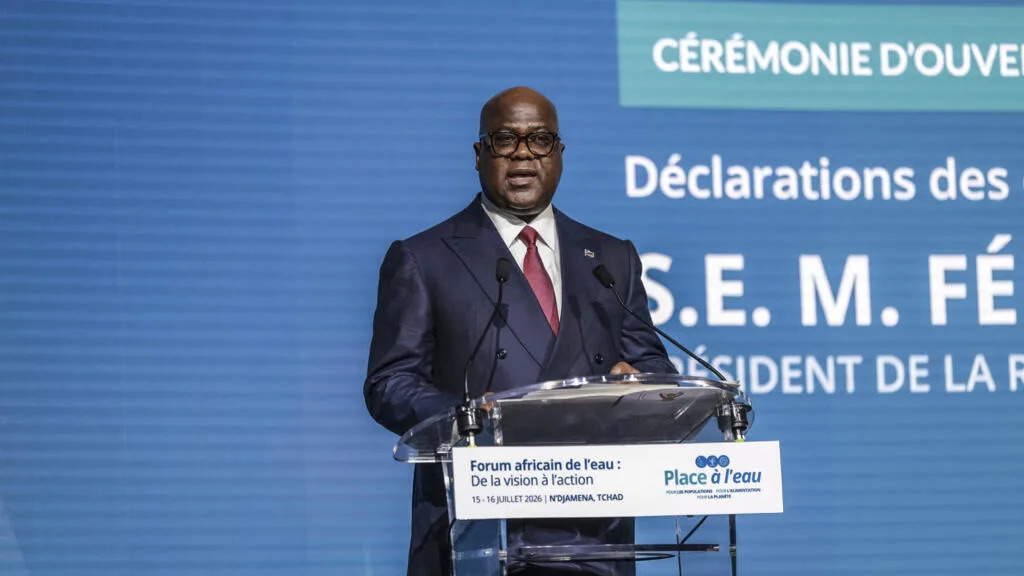
In Luanda, Félix Tshisekedi met with his Angolan counterpart João Lourenço, a key figure in diplomatic efforts addressing the crisis in eastern Democratic Republic of the Congo. The two leaders held a private discussion ahead of a regional summit, underscoring their shared commitment to stabilizing the volatile region.
The meeting follows Angola’s ongoing consultations aimed at facilitating an inter-Congolese dialogue. Earlier in May, envoys from Kinshasa traveled to Luanda to align on Angola’s proposed framework for these negotiations, which includes a structured roadmap and reference points for discussions.
Despite these steps, significant divisions persist between the Congolese government, opposition groups, and religious leaders, delaying the official launch of the dialogue. Meanwhile, eastern DRC continues to grapple with escalating violence, mass displacements, human rights abuses, foreign interference, and illegal exploitation of natural resources.
Peace as a « verifiable reality »
Addressing regional leaders, President Tshisekedi framed the crisis in eastern DRC as « a test for Africa and the international community. » He highlighted the urgent need to address armed group violence, civilian suffering, and external destabilization while emphasizing the importance of tangible, ground-level progress.
The Congolese leader reiterated support for the Washington and Doha processes but stressed that lasting peace must be « verifiable on the ground, » not just on paper. His remarks underscored the gap between diplomatic agreements and their implementation in conflict zones.
Angola’s President João Lourenço also weighed in, identifying eastern DRC as one of the world’s most pressing conflict hotspots. He called for intensified diplomatic efforts, strict adherence to international law, and African-led solutions to the continent’s crises—reaffirming Angola’s role as a mediator in regional stability.
Yet despite multiple initiatives—including the Washington and Doha frameworks and Angola’s mediation—the security situation in eastern DRC remains dire. No tangible breakthroughs have emerged, leaving communities trapped in a cycle of instability.