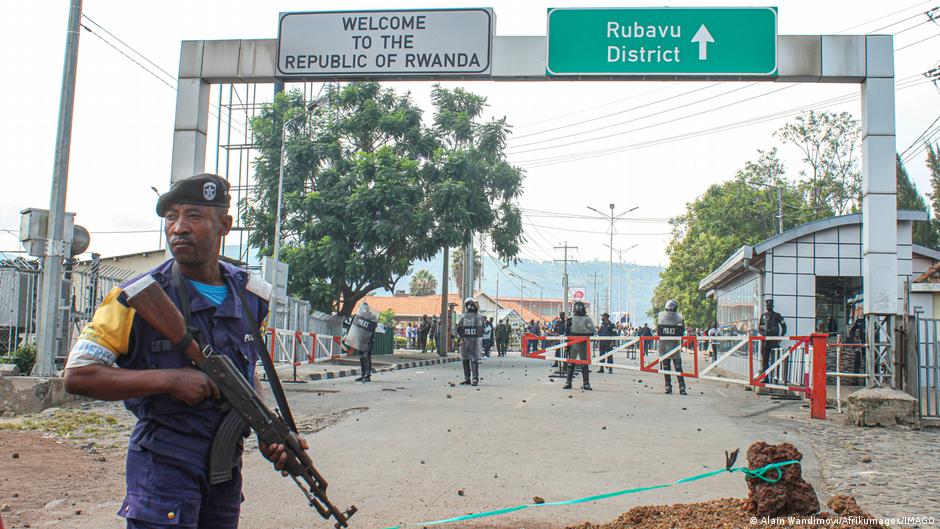
The suspension of travel between Goma, located in the eastern République démocratique du Congo, and Gisenyi in Rwanda, is triggering deep anxiety among the local population. From street vendors to financial analysts, the consensus is clear: the local economy is reeling from the impact of these restrictive measures.
In an effort to curb the potential spread of Ebola, Rwanda implemented strict border controls and eventually closed its entry points with the RDC. These health-driven protocols have significantly altered the flow of people and goods.
Small-scale vendors facing financial ruin
Jacques Safari, who has spent years selling eggs near the crossing in Goma, is among those feeling the immediate sting of the closure. His daily earnings have plummeted since the gates were locked.
Previously, he could count on selling at least five crates of eggs every day. Now, he struggles to move even two. The reason is simple: his primary customer base consisted of travelers moving between the two nations, and that demographic has vanished.
“The current socio-economic climate, worsened by the border being shut, is making survival difficult. Most of our business relied on people crossing over,” he noted during a recent discussion.
Supply chain disruptions for major wholesalers
The crisis extends beyond street stalls to the large-scale distributors in the Birere market. Wholesalers dealing in manufactured goods are reporting increasing hurdles in maintaining their inventory.
Hamuli Kasilembo, a prominent wholesaler in the market, pointed out that the proximity to Rwanda once allowed for a swift and consistent supply of goods. Today, logistics have become a nightmare and consumer demand has cooled. He observed that the velocity of money in the city has slowed to a crawl, making every transaction a challenge.
A predictable crisis, say economic analysts
Financial experts argue that these consequences were entirely foreseeable. Alphonse Muanda emphasized that the daily commercial interactions between Goma and Gisenyi serve as the bedrock of the regional economy.
He highlighted that a vast number of micro-entrepreneurs rely on this cross-border movement for their very existence. Many would travel to Gisenyi to purchase essential staples like rice, soap, and other bulk items to resell at home.
“When the Rwandan authorities shut down the border, the most vulnerable traders are the first to suffer. Their livelihoods depend on the daily rhythm of cross-border exchange,” Muanda explained.
The decision to close the border was originally framed as a necessary sanitary measure to halt the Ebola virus. However, as the restrictions persist, the residents of Goma are increasingly worried that the social and economic stability of the region will continue to deteriorate in the coming weeks.