Gabon faces tough parliamentary scrutiny on national priorities
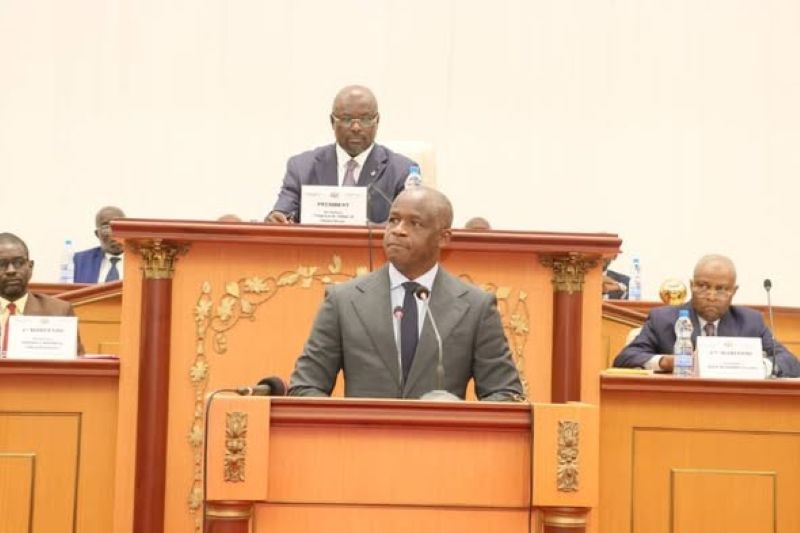
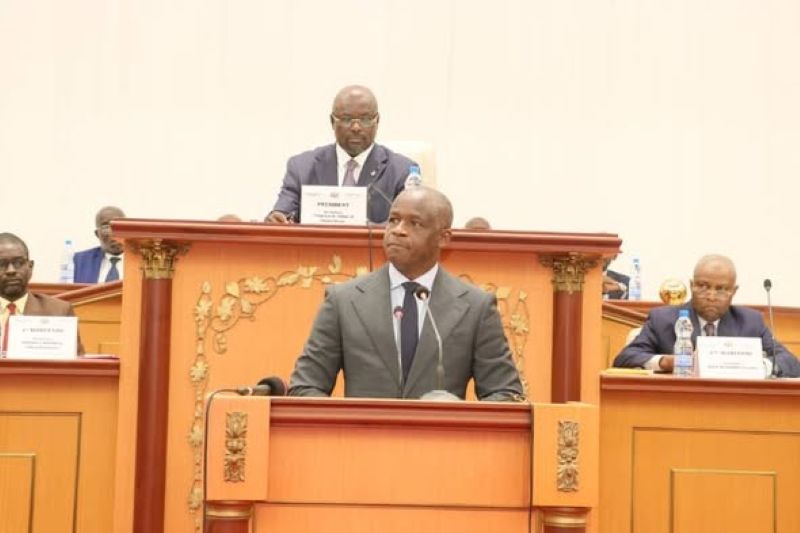
Libreville, Wednesday, June 3, 2026 – At the National Assembly, lawmakers put the government to the test over the nation’s most pressing concerns.
The ritual of oral questioning in Parliament on Tuesday was far more than a procedural exercise. For the first time since the 14th legislature began, Gabonese lawmakers fully exercised their constitutional duty to scrutinize government actions, exposing the real concerns of a population grappling with purchasing power, education, healthcare, security, employment, and economic sovereignty.
Convening at the Léon Mba Palace as required by the Constitution and parliamentary rules, legislators directed nearly two dozen questions to cabinet members. This pivotal political moment comes just days before the June 15 Parliamentary Congress, where President Brice Clotaire Oligui Nguema will deliver his State of the Nation address.
Youth and education take center stage
Among the most pressing issues raised was the rise in drug and substance abuse within schools. Sixth Vice President of the National Assembly, Huguette Tsono, pressed Vice-President of the government, Hermann Immongault, who acknowledged the severity of the problem while reaffirming the state’s commitment to protecting the education system.
This crisis extends beyond classrooms—it threatens Gabon’s demographic and economic future. With youth forming the majority of the population, combating addiction is not just an educational priority but a strategic necessity for social stability and human development.
Education reform also dominated discussions. Deputy Dorland Chancely Olengué questioned Education Minister Camélia Ntoutoume-Leclercq, who assured lawmakers that reforms are progressing as planned. While progress is being made, the scale of public expectations remains vast, demanding long-term systemic change.
Economic sovereignty and local transformation
Another key takeaway from the session was the strong focus on economic matters. The gradual ban on imported chicken sparked debate over the government’s new public policy direction. Agriculture Minister Pacôme Kossy emphasized that this measure aims to build a robust national poultry industry capable of meeting domestic demand while creating jobs.
This decision reflects a broader ambition: reducing the country’s food dependence and strengthening local production.
Mining reform took center stage as well. Mines Minister Sosthène Nguema Nguema announced a ban on exporting raw manganese, a move aligned with a strategy to capture greater value-added processing within Gabon. This shift marks a departure from traditional raw material exports and aligns with trends seen across Africa as nations seek to industrialize their natural resources.
Everyday struggles remain unresolved
Parliamentarians also highlighted pressing social concerns. Issues with national ID and passport issuance were brought before Interior Minister Adrien Nguema Mba, particularly affecting remote communities where access to administrative services is limited. Retirees, CNAMGS contributors, people with disabilities, and single mothers also featured in discussions led by Social Affairs Minister Armande Longo épouse Moulengui, reminding policymakers that economic growth alone cannot improve lives without tangible improvements in living conditions.
Parliament reclaims its role
Beyond ministerial responses, Tuesday’s session underscored the National Assembly’s return as a vital forum for public debate. By allowing representatives to raise issues spanning food security, industrial transformation, education, healthcare, and governance, Parliament reasserted its democratic oversight role.
Closing remarks by National Assembly President Michel Régis Onanga Ndiaye hinted at the upcoming Parliamentary Congress—a key political milestone to assess progress on major reforms since the Transition. This first oral questioning session of the 14th legislature served as a revealing moment, showcasing a nation undergoing profound transformation while facing immense social expectations.
Between economic sovereignty, state modernization, and improving citizens’ daily lives, the government is now judged not just on its ambitions but on delivering tangible results. The coming months will determine the credibility of Gabon’s public action.