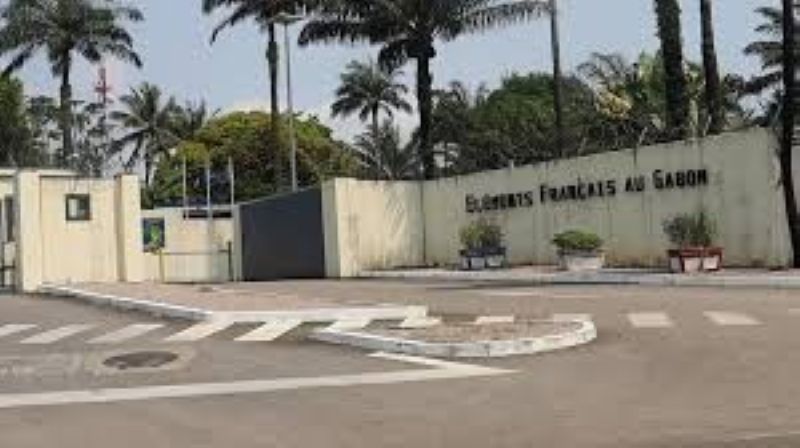
Gabon reshapes military legacy with historic base transformation
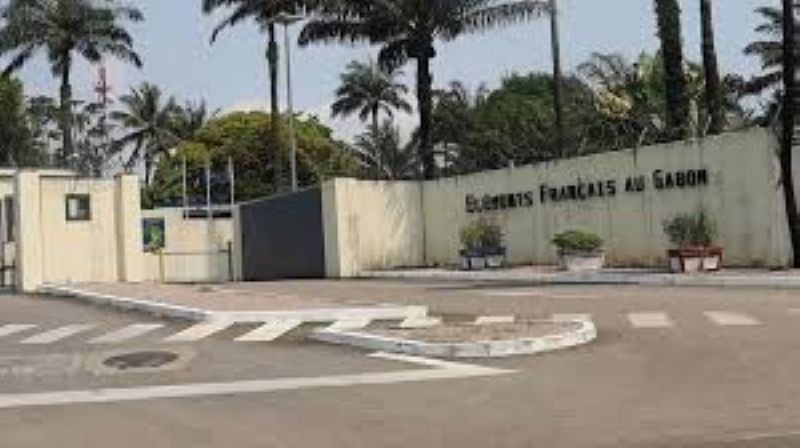
Libreville, June 3, 2026 — When President Brice Clotaire Oligui Nguema announced the imminent closure of Camp de Gaulle, he wasn’t merely rebranding a military facility. He was turning the page on Gabon’s relationship with its colonial past while charting a new course for its strategic future.
What appears at first glance as a simple administrative decision carries profound implications. The President’s announcement during a high-profile interview signaled more than a name change—it reflected a deliberate shift in how Gabon engages with its history and international partnerships.
The end of a colonial-era military chapter
For generations, Camp de Gaulle stood as a symbol of France’s military footprint in Gabon. Established in the post-independence era, the base was part of a broader network of French installations designed to maintain regional stability. Yet nearly six decades later, the geopolitical landscape has transformed entirely.
Across Africa, debates over national sovereignty, control of strategic assets, and reclaiming historical narratives have taken center stage. Gabon is no exception. By reclaiming Camp de Gaulle, the country marks the conclusion of an era—one that prioritizes dialogue over confrontation.
Contrasting with regional trends
The President was quick to highlight Gabon’s unique approach. Unlike neighboring nations where military disengagement has sparked diplomatic tensions, Gabon’s transition unfolded through dialogue. The transformation of the Franco-Gabonese military cooperation reflects this balance—shifting from large-scale troop presence to a leaner, skill-focused model.
With foreign forces reduced to a cadre of specialized instructors—roughly 100 personnel—the new framework prioritizes knowledge transfer over permanent deployment. This mirrors a global shift toward partnerships that emphasize capability building rather than troop presence.
A new mission for the site
The reimagined facility will serve as a training hub for Gabon’s defense and security forces, alongside partners from across the continent. This strategic pivot positions Gabon as a regional leader in security professionalism.
In a Gulf of Guinea beset by transnational threats, organized crime, and mounting security challenges, the ability to cultivate skilled personnel has never been more critical. By transforming Camp de Gaulle into an academy for excellence, Gabon is not just redefining its own defense capabilities—it’s contributing to the broader continental effort.
Renaming for national pride
More than a symbolic gesture, the new name carries deep meaning. The facility will honor a Gabonese national hero, replacing a colonial reference with a figure rooted in the country’s own history. Naming a place is an act of storytelling—it shapes the narrative future generations inherit.
This decision reflects a broader movement toward reclaiming Gabon’s historical identity while maintaining balanced international partnerships. It is not a rejection of France, but an affirmation of Gabon’s political maturity. The transformation of Camp de Gaulle is not merely about changing a name—it is about the emergence of a new vision for Gabonese sovereignty.