With just two weeks remaining before the Tabaski festival, Burkina Faso’s abrupt halt on all livestock exports has thrown Côte d’Ivoire’s supply chain into disarray. The West African nation now faces a critical shortfall: securing up to 172,000 animals, while traditional suppliers tighten their borders. Behind this economic move lies a deeper diplomatic signal.
On May 8, 2026, Burkina Faso’s Ministries of Commerce, Agriculture, and Economy jointly issued an interministerial decree suspending the issuance of Special Export Licenses (ASE) for livestock. The ban took effect three days later, granting holders of existing licenses just seven days to complete pending shipments. After that window, no live cattle will legally cross Burkina Faso’s borders.
Ouagadougou frames the decision as a domestic necessity: « ensuring sufficient livestock availability to stabilize prices and protect household purchasing power ahead of Tabaski ». Yet in Abidjan, the impact is immediate and severe.
Côte d’Ivoire’s fragile reliance on Sahelian livestock
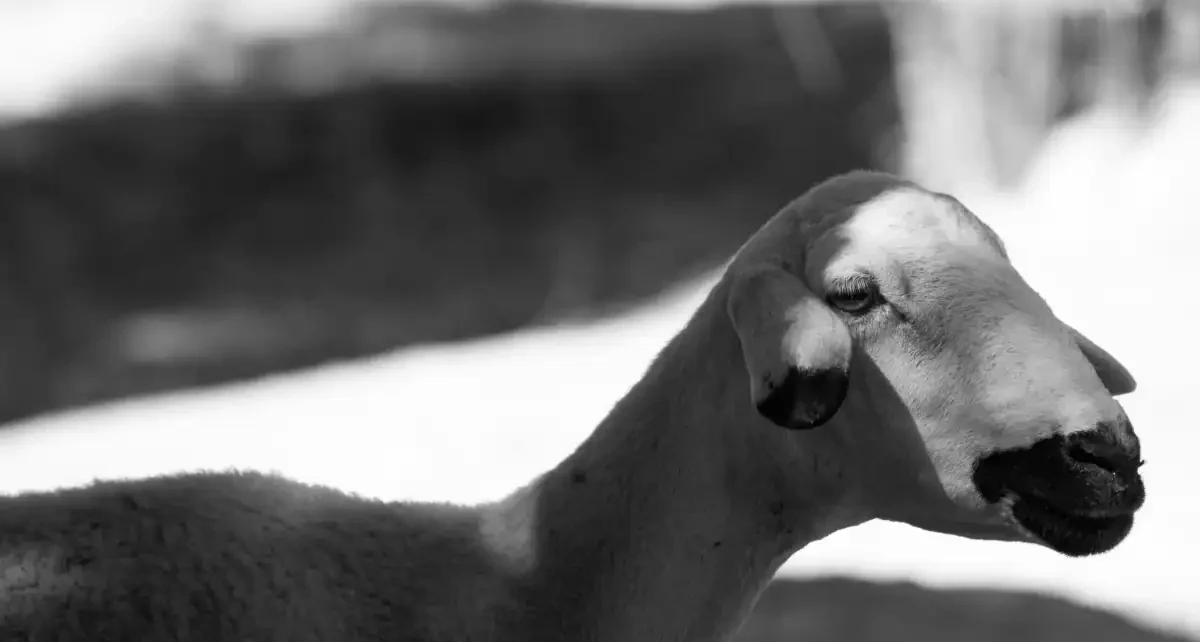
Current estimates place Côte d’Ivoire’s Tabaski 2026 demand at 172,000 head, with projections reaching 350,000 when accounting for both sheep and cattle. Domestic production covers only about 25% of this need—roughly 87,500 animals at best. The remaining 75% traditionally flows from Burkina Faso, Mali, Niger, and—less significantly—Benin.
At Yamoussoukro’s livestock market, traders have seen prices surge by over 10% compared to last year. Mohamed Touré, spokesperson for Interprix in Yamoussoukro, attributes the shortage to regional insecurity: « Mali and Burkina Faso no longer export due to conflict, and without Niger’s supply, Côte d’Ivoire would face severe shortages. »
Faced with this looming crisis, Ivorian authorities have taken swift action. On May 11—the same day Burkina Faso’s ban took effect—Assoumany Gouromenan, Chief of Staff to the Minister of Animal and Fisheries Resources, met with a delegation from the Supreme Council of Imams, Sunni Organizations, and Structures in Côte d’Ivoire (CODISS). Their goal: encourage believers to prioritize local rams for sacrifice. While pragmatic, this approach clashes with cultural preferences, as local breeds are smaller and less favored than Sahelian sheep.
Burkina Faso’s strategic pivot toward processed meat
Ouagadougou’s livestock suspension isn’t an isolated decision. It aligns with a broader shift among the three states of the Alliance of Sahel States (AES)—Mali, Niger, and Burkina Faso. Niger imposed its own livestock export ban ahead of Tabaski 2025, and Burkina Faso has recently restricted tomato exports and banned day-old chicks.
Burkina Faso’s long-term strategy is clear: transition from exporting live animals to processed meat. The Faso Abattoir Agency, launched in April 2025, symbolizes this ambition. Official data shows livestock exports rising from 400 million FCFA in 2020 to nearly 11.8 billion FCFA in 2024, making live animals the country’s third-largest export. By halting shipments, Ouagadougou is protecting a vital economic pillar—and sending a political message.
A timing that raises questions
The May 8 decision arrives amid strained relations between Ouagadougou and Abidjan. Since Captain Ibrahim Traoré took power in the September 2022 coup, ties between the two nations have deteriorated. In April 2024, the Burkinabè transitional leader accused Abidjan of harboring « destabilizers » of his regime. By September 2024, the Burkinabè Minister of Security, Mahamadou Sana, publicly named exiled Burkinabè figures—including former Foreign Minister Alpha Barry—as alleged « subversive actors ». On December 31, 2024, Traoré recalled his chargé d’affaires and several consuls from Abidjan, leaving both countries without ambassadors—only acting chargés d’affaires remain.
A tentative thaw emerged on December 6, 2025, when Ivorian Minister of African Integration, Adama Dosso, met with his Burkinabè counterpart Karamoko Jean Marie Traoré in Ouagadougou. Their joint statement emphasized « two lungs of the same economic and social body » and the need to « build trust », while reaffirming Burkina Faso’s « determination to act decisively when necessary. »
Five months later, the livestock suspension appears as a concrete manifestation of that « decisiveness. » Though no official link has been drawn, the timing—just weeks after the April 2026 death in detention of Burkinabè activist Alino Faso—has fueled speculation that the move carries diplomatic weight.
What happens next depends on timing
At this stage, it remains unclear whether Burkina Faso’s decision is purely a sovereignty-driven economic safeguard or a calibrated political signal. Ouagadougou’s stated goal—securing affordable meat for its own citizens—is consistent with AES doctrine, especially given that Burkina Faso’s 35 million cattle and 7.1 million sheep struggled under soaring meat prices at the end of 2024.
Yet the timing couldn’t be worse for Côte d’Ivoire. With Mali engulfed in conflict, Niger likely to follow suit, and Benin unable to offset a deficit of this scale, Abidjan’s options are limited. The next few weeks will reveal the measure’s true intent: if lifted immediately after Tabaski, the food sovereignty argument holds. If extended, the move may well be seen as a deliberate message to Abidjan. Until then, markets in Yamoussoukro, Abidjan, and Bouaké must brace for disruption—and Ivorian families must rethink how they celebrate.