- News
- Politics
Côte d’Ivoire: legal expert dismisses criticism of President Ouattara’s political longevity
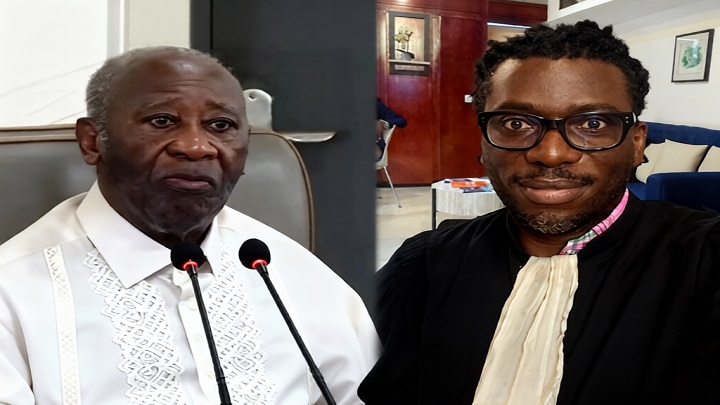
The recent re-election of Laurent Gbagbo as leader of the African Peoples Party – Côte d’Ivoire (PPA-CI) has sparked fresh discussions about political longevity in the country. Following the party’s first ordinary congress held in Abidjan, legal expert Ange Rodrigue Dadjé argued that criticism directed at President Alassane Ouattara for remaining in politics has lost its foundation.
« We can no longer criticize President Ouattara for choosing to stay in politics despite his earlier statements about retiring, » Dadjé stated during a press interaction that has since gained significant traction in political circles and on social media.
This declaration follows a period of political speculation surrounding Laurent Gbagbo’s own intentions. While many anticipated his gradual political retirement, the PPA-CI congress ultimately reaffirmed his leadership by acclamation. Just months prior, Gbagbo had indicated plans to step back from active political roles. In an October 2025 interview with journalist Alain Foka on AFO Media, the former president had declared, « There is no retirement in politics, but I will refrain from holding political office, whether within my party or in the state. I have given enough. » Now 81 and acquitted by the International Criminal Court in 2021, Gbagbo appeared ready to pass the torch to a younger generation within PPA-CI. However, the congress proceedings took an unexpected turn.
Addressing party members and officials, Gbagbo declared, « I remain for the struggle, » under thunderous applause from delegates. This announcement effectively quelled rumors of his definitive withdrawal from politics. Observers note this decision reignites debates about the political staying power of Côte d’Ivoire’s prominent figures, including Ouattara himself.
In 2020, Ouattara faced sharp backlash after announcing his candidacy for a third term, despite earlier indications he would step aside. The opposition, including Gbagbo’s PPA-CI, condemned the reversal as a breach of trust. Dadjé contends that the PPA-CI’s current situation illustrates how political realities often override initial pledges among leaders.
In July 2025, Ouattara officially declared his candidacy for the October 2025 presidential election, seeking a fourth term at 83 years old. He framed his decision as a necessity to ensure national stability amid regional security and economic challenges. « This carefully considered choice is a duty to our nation, » the president asserted, emphasizing his commitment to the country’s higher interests.
Political realities reshape leadership decisions
The PPA-CI’s decision to retain Gbagbo has reshaped political discourse in Côte d’Ivoire. Many interpret this as evidence of the influential role militants and partisan realities play in leaders’ choices, even when retirement had been previously announced. Across political headquarters and public opinion, the episode reignites a persistent question in Ivorian politics: Can historical figures truly exit the political stage while their supporters demand their continued leadership?