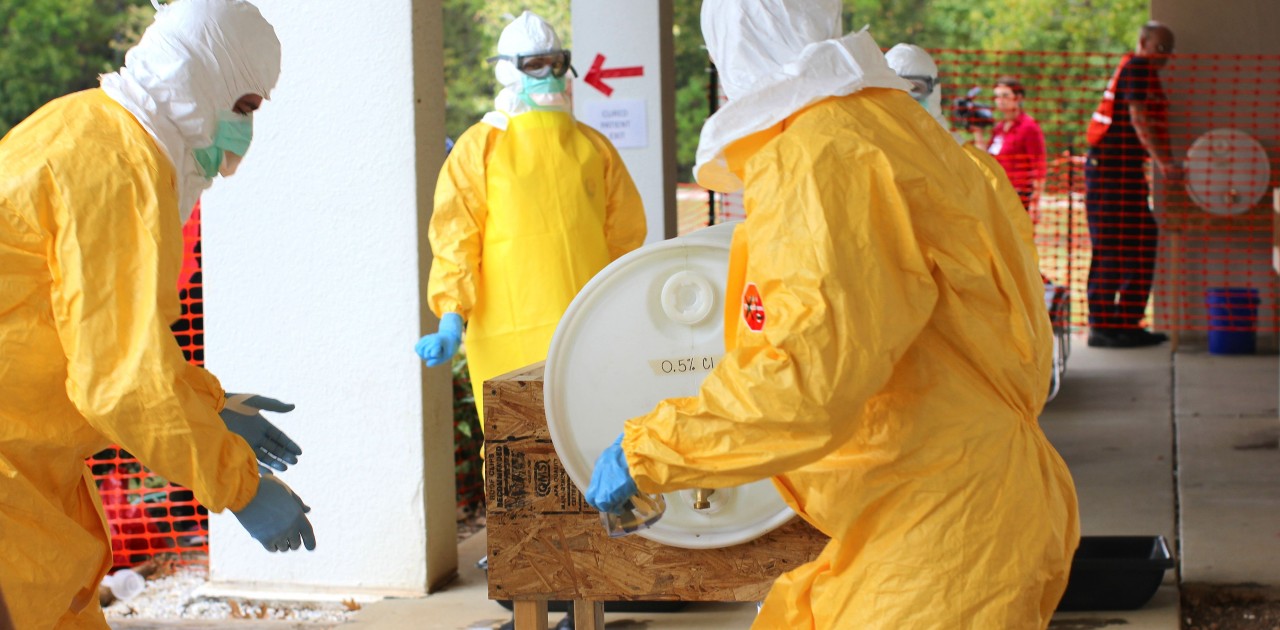
The Democratic Republic of Congo is currently facing a significant escalation in Ebola infections, with more than 1,000 cases confirmed in a single month. The outbreak is primarily concentrated in the eastern provinces, including Ituri, North Kivu, and South Kivu, where local conditions are complicating medical interventions.
 The Ebola virus continues to affect the DRC
Rising infection rates and regional challenges
The Ebola in DRC outbreak has rapidly expanded across the eastern part of the country. These regions are currently struggling with active armed conflicts and significant population displacements, which severely limit the population’s access to healthcare. These factors have created a challenging environment for containing the virus and preventing new chains of transmission.
While the epidemic remains largely a regional crisis in Central Africa, a recently identified case in France has served as a reminder of the potential for international transmission. However, public health experts indicate that the global risk remains extremely low. This stability is attributed to rigorous surveillance protocols and the immediate implementation of isolation measures for suspected cases.
Expert analysis of the health crisis
The current situation has raised urgent questions regarding the factors driving the virus’s circulation and the possibility of further geographic spread. To address these concerns, several specialists have been monitoring the developments closely:
- David Munkley, who manages field operations for the NGO World Vision in the eastern DRC.
- Cédric Dananché, an epidemiologist and specialist in public health and infectious disease prevention.
As the number of infections climbs, the international community remains focused on supporting local health structures to mitigate the impact of this deadly virus in the République démocratique du Congo.