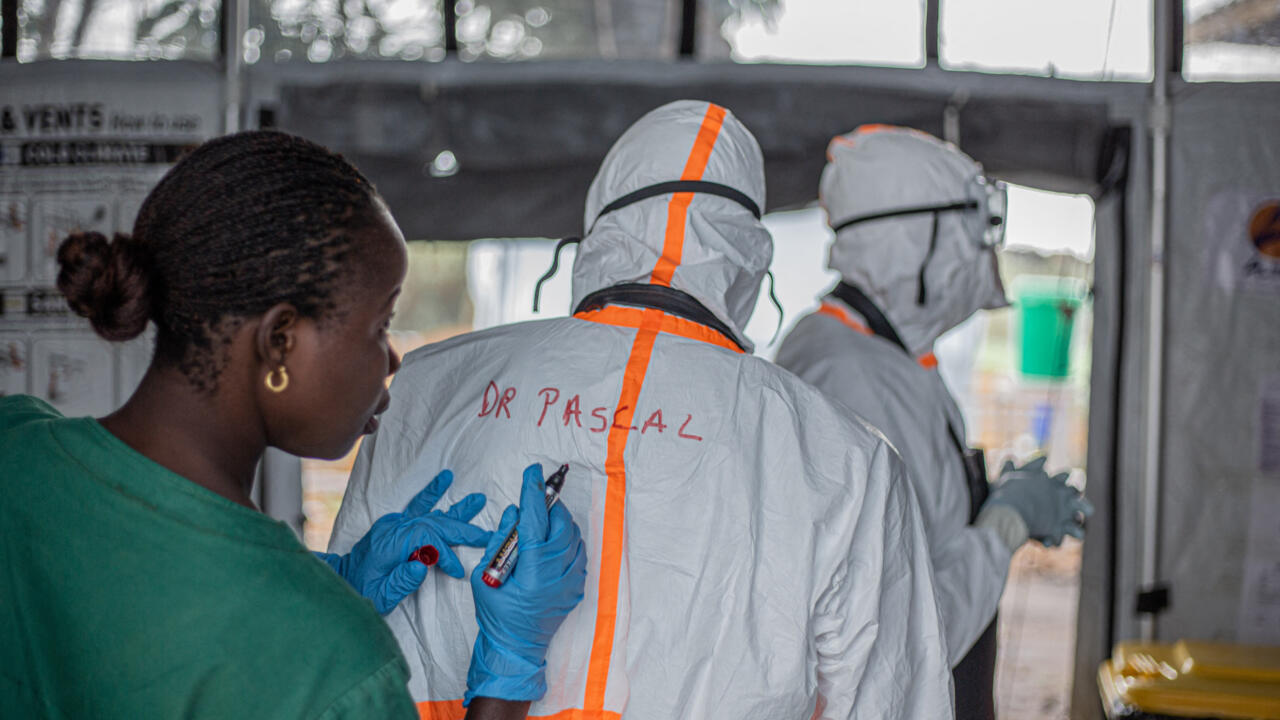
The World Health Organization is raising red flags. Two months after the declaration of the Ebola outbreak in the Democratic Republic of Congo, official figures released on July 15 show over 2,000 cases, including 796 deaths. Yet, according to the organization, the actual number of infected individuals could be two to four times higher. What accounts for such a discrepancy? Why is this outbreak proving so difficult to control? Could the launch of a first post-exposure prophylaxis clinical trial in Bunia this week change the game?
Underreported figures and containment challenges
Health authorities are grappling with a complex situation. The reported data suggests an escalating crisis, but experts warn that the true scale may be far greater. Several factors contribute to this underestimation, including limited access to remote regions, community resistance to health interventions, and the logistical hurdles of tracking cases in a densely populated and conflict-affected area.
Efforts to combat the spread
The launch of a clinical trial for post-exposure prophylaxis in Bunia marks a critical step in the fight against Ebola. This experimental approach aims to prevent infection in individuals exposed to the virus, offering hope for a more proactive response. However, its success depends on widespread participation and robust healthcare infrastructure.
International health organizations continue to emphasize the importance of transparency and rapid response. Vaccination campaigns and community engagement remain central to curbing the outbreak, but challenges persist in reaching all affected populations.
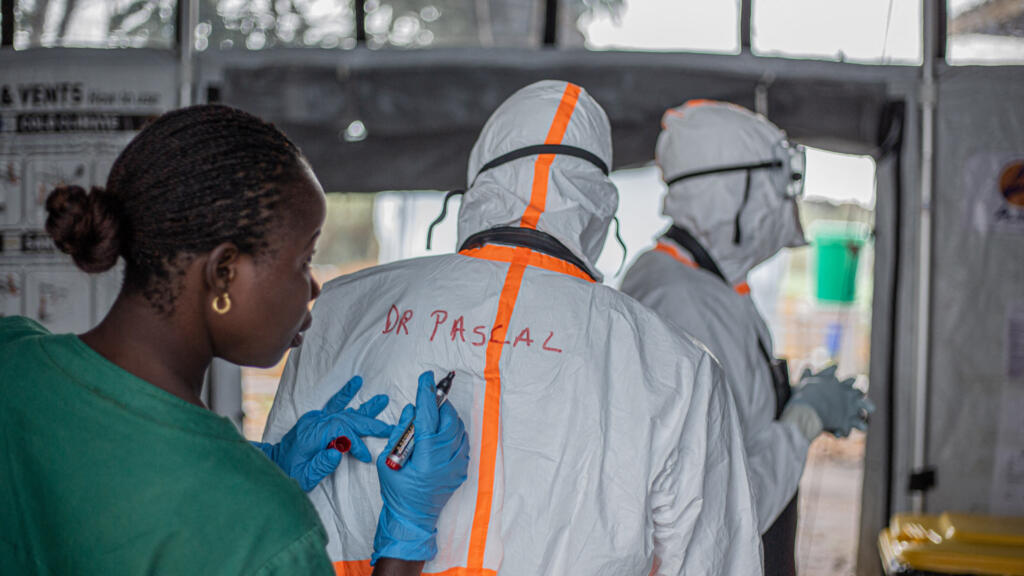
What’s next?
The coming weeks will be decisive. While the clinical trial offers a glimmer of hope, sustained efforts in surveillance, treatment, and prevention are essential to turn the tide. The international community’s role in supporting local health authorities cannot be overstated.
As the situation evolves, health officials remain vigilant. The true extent of the outbreak may never be fully known, but every effort must be made to contain it before it spirals further out of control.