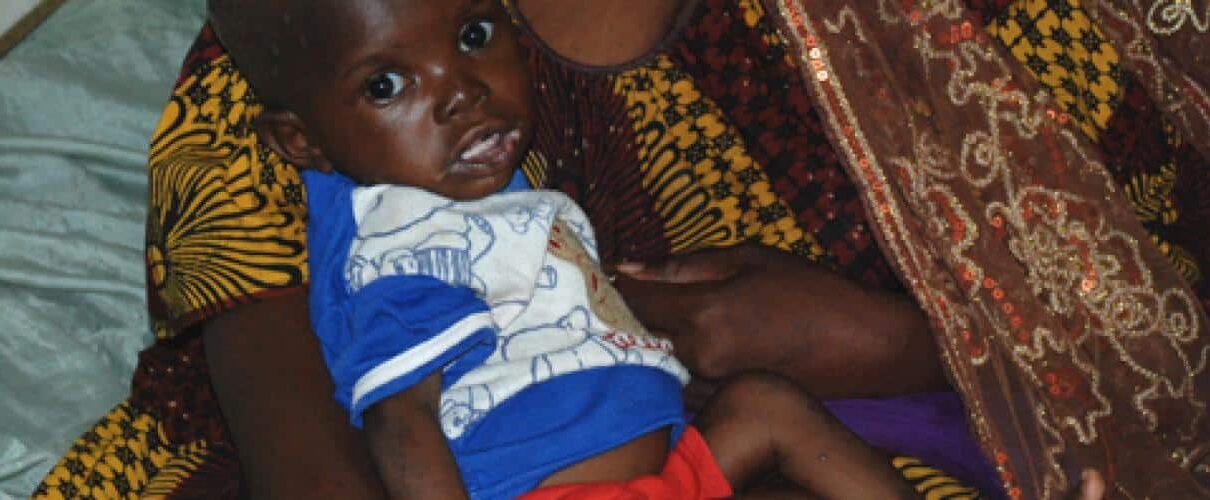
malnutrition in Mali remains a severe public health crisis affecting nearly half the nation’s population. With 15 million residents, this West African country faces persistent nutritional challenges despite prevention efforts.
The malnutrition crisis in Mali manifests in multiple regions. While Malian authorities have intensified efforts in recent years, the situation remains dire—nearly one in five Malian children does not reach their fifth birthday—making nutrition an urgent national priority. This silent epidemic impacts families and communities across both immediate and long-term scales.
Within Malian households, closely spaced pregnancies represent one of the primary drivers of childhood malnutrition. When families have many children, nutritional resources become stretched, increasing the risk for both mothers and young children.
alarming malnutrition rates exceed global thresholds
Global acute malnutrition (moderate and severe) affects 15% of Mali’s population, surpassing the World Health Organization’s emergency threshold of 10%. Chronic malnutrition strikes even harder—38% of children under five in Mali suffer from stunted growth, far exceeding the 20% international alert level.
Additionally, over 80% of children under five and 65% of women in Mali experience iron deficiency, one of the highest rates globally. This deficiency severely impairs children’s cognitive development and learning capacity. For pregnant women, iron deficiency increases risks of delivering malnourished babies.
With malnutrition affecting 40% of Mali’s population, this crisis demands immediate attention as a top-tier public health priority.
government initiatives and community programs
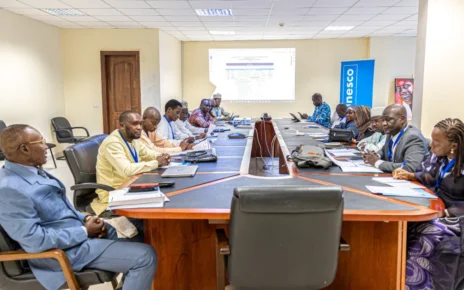
To combat malnutrition, Mali’s government has established a clear nutrition policy framework supported by action plans to mobilize sector funding and improve care management.
“This policy framework includes strategic funding mobilization to strengthen our national nutrition response”
Mali recently implemented universal salt iodization to combat iodine deficiency disorders. Currently, 79% of households have access to iodized salt, though this falls short of the 90% target.
Since 2005, Mali has conducted bi-annual intensified nutrition weeks (SIAN), reaching 95% of the country. Targeted at children aged 6-59 months, these community-driven initiatives have become institutionalized in local practices, significantly enhancing prevention and awareness efforts. During SIAN campaigns, the government and humanitarian partners promote vitamin A supplementation and deworming tablets as essential disease prevention measures.
Through collaborative efforts between the Malian government, Unicef, and NGOs, these programs have substantially reduced child mortality rates in the country.
SIAN represents part of Unicef’s comprehensive community approach to malnutrition awareness. Our teams train communities to identify early malnutrition signs, detect confirmed cases, and intervene rapidly. “To maximize impact, we integrate malnutrition screening into routine community health activities,” explains Médiatrice Kiburente Touré. “Continuing education about malnutrition’s root causes—particularly the benefits of clean water—remains crucial for sustainable change.”
In 2010, only 50% of severely malnourished Malian children received treatment. Today, coverage rates continue to improve steadily.