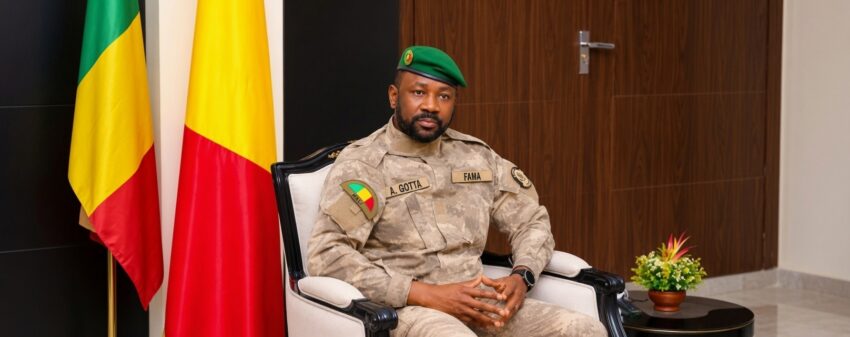
The arrival of Vassiriki Traoré in Bamako on Thursday, 15 October 2026, has set off a wave of reaction across West Africa — and raised a single, urgent question: does this three-day working visit mark the beginning of a genuine security reset between Ivory Coast and Mali, or is it merely a tactical pause in a rivalry that has deepened for years? Traoré, who heads Ivory Coast’s intelligence services, travels at the invitation of his Malian counterpart, General Modibo Koné, director of Mali’s national state security agency. The stakes could hardly be higher, and the fallout from these talks will be felt far beyond the two capitals.
Why this visit is being watched so closely
For observers of regional security, the significance of the trip lies less in the protocol than in the precedent. Since Mali’s military authorities took power in 2020, relations between Abidjan and Bamako have frayed steadily. Diplomatic disagreements, divergent alignments on the international stage and a series of security disputes have turned what was once a functional partnership into a cold standoff. Against that backdrop, the simple fact that the two intelligence chiefs are sitting down together is itself a development worth noting.
The agenda is expected to centre on information sharing and practical collaboration on security matters. Yet the political symbolism is impossible to ignore. Any progress made in Bamako will be read as a signal — by regional capitals, by international partners and by the armed groups whose movements both countries are trying to track.
The dispute that still shadows the relationship
No account of Ivorian-Malian relations can avoid the episode that pushed tensions to their peak: the arrest in Bamako in July 2022 of 49 Ivorian soldiers. Malian authorities portrayed the detained troops as mercenaries; Abidjan insisted they were deployed under a United Nations support mission. The soldiers were convicted and later pardoned, but the affair left deep scars on both sides and became the defining symbol of the breakdown between the neighbours.
That history explains why this week’s talks are being scrutinised so intensely. A single meeting cannot erase years of distrust, and the political disagreements that drove the two countries apart remain largely unresolved.
A shared threat that refuses to wait
What both governments confront, regardless of their political differences, is an insurgency that does not respect borders. Mali continues to absorb attacks from armed jihadist groups, while Ivory Coast keeps a close watch on its northern regions, which sit close to the Malian frontier. For communities along that border, the practical consequences of cooperation — or its absence — are felt every day.
Better coordination between the two intelligence services could translate into concrete gains: earlier warning of impending attacks, more effective border monitoring and faster circulation of information about the movements of armed groups. These are not abstract benefits. They are the difference between interception and tragedy.
What comes next — and what could go wrong
The immediate outlook is cautious. If the talks in Bamako produce even a modest framework for exchanging intelligence, that would represent a meaningful step forward. It could also open the door to a broader diplomatic thaw, creating space for dialogue on other disputed issues.
But the obstacles are formidable. Domestic opinion in both countries remains sensitive, and any perceived concession could trigger political backlash. Hardliners on either side may resist a rapprochement, and a single incident — a border clash, a disputed arrest, a militant attack — could undo months of quiet diplomacy.
The debate now unfolding is not simply about whether Traoré’s visit succeeds. It is about whether Ivory Coast and Mali can build a relationship durable enough to survive the next crisis.
The regional dimension
West Africa as a whole is watching. A functioning security channel between Abidjan and Bamako would strengthen the wider effort against militant groups operating across the Sahel and into coastal states. Conversely, a failed initiative would reinforce the fragmentation that has hampered regional responses for years.
For now, the two intelligence chiefs have opened a door. Whether it stays open — and what passes through it — will shape security cooperation in the region for the months and years ahead.