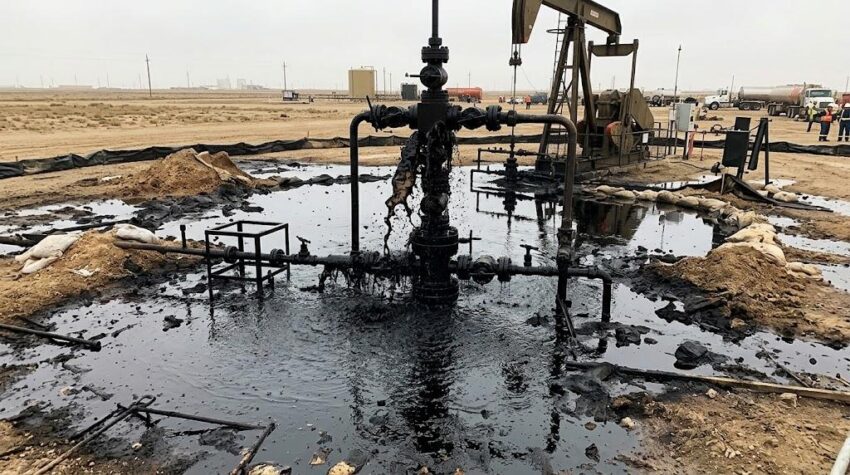
Niger’s unfolding oil disaster at Goumeri W-8 fuels public outrage and urgent policy shifts
After 17 days of denial, Niger’s government formally acknowledged on October 12, 2026, the uncontrolled eruption at the Goumeri W-8 well on the Agadem block, operated by CNPC Niger Petroleum (a subsidiary of China National Petroleum Corporation). For nearly three weeks, the site has been spewing crude oil and gas more than ten meters into the air, marking the most severe accident in the country’s oil production history since drilling began in 2011. The disaster has already damaged two adjacent wells and hospitalized two workers, while communities, environmental groups, and policymakers grapple with the fallout of this unfolding crisis.
The government’s delayed response has intensified criticism amid growing public consternation. While authorities initially dismissed claims of sabotage, the rapid spread of contamination has forced a reevaluation of both technical capabilities and diplomatic strategy. With no official figures on lost volumes or environmental damage released to date, the scale of the ecological and economic threat remains alarmingly unclear.
Government transparency under fire as environmental risks mount
Civil society organizations, including the Nigerien Network for the Environment (GREN), warned within days of the eruption that unchecked crude flow threatened to poison local farmland, groundwater reserves, and nearby waterways. Despite emergency containment measures—such as hastily constructed dike systems and retention ponds—there has been no public disclosure of spill volumes or environmental impact assessments. The lack of data has fueled speculation and eroded public trust in the administration’s capacity to manage the crisis transparently.
The incident has also exposed a glaring contradiction between Niger’s stated goal of achieving greater energy sovereignty and its operational reliance on foreign expertise. Authorities have emphasized local content policies, including a requirement that 80% of CNPC’s workforce be Nigerien nationals. Yet the technical breakdown at Goumeri W-8 underscores a critical skills gap: the country lacks engineers with specialized well-control experience capable of capping a blowout of this magnitude.
Algeria steps in as Niamey seeks regional expertise amid crisis
Facing mounting internal and external pressure, Niamey has turned to Algiers, leveraging a strengthened diplomatic and energy partnership established earlier this year. Algeria—with over six decades of experience in Sahara oil drilling and crisis management—has agreed to provide technical support and conduct an independent audit to determine operator responsibility. The collaboration extends beyond emergency response: Algerian engineers are already involved in auditing Kafra block operations and supporting crude marketing from the Agadem field.
While the partnership signals growing regional cooperation in energy security, no timeline has been announced for permanently sealing the well. The delay in addressing the root cause of the blowout raises concerns about the long-term viability of Niger’s oil sector and the stability of its energy infrastructure.
What’s next for Niger’s oil future?
- Short-term: Containment and environmental monitoring remain priorities as authorities attempt to stabilize the site. Public pressure may accelerate policy reviews regarding operator oversight and local technical training.
- Medium-term: The audit results could redefine regulatory standards for foreign oil companies operating in Niger, particularly around safety protocols and emergency response readiness.
- Long-term: The crisis may catalyze investment in domestic expertise, but only if sustained political will and funding materialize. Otherwise, Niger risks remaining dependent on regional allies—like Algeria—for its most critical energy challenges.
Sovereignty vs. dependence: Can Niger regain control?
The Goumeri W-8 disaster has become a focal point for national debate on energy independence. While government officials continue to champion local content and national ownership, the current crisis reveals a stark reality: without deeper technical capacity, sovereignty in resource management remains an elusive goal. The call for Algerian assistance, though pragmatic, serves as a stark reminder of the gaps in Niger’s capacity to independently safeguard its energy future.
As the public and policymakers demand accountability, the coming weeks will be decisive. Will Niamey translate outrage into action? Will foreign expertise lead to lasting local empowerment? And most critically, when—and how—will the flow of oil finally stop?