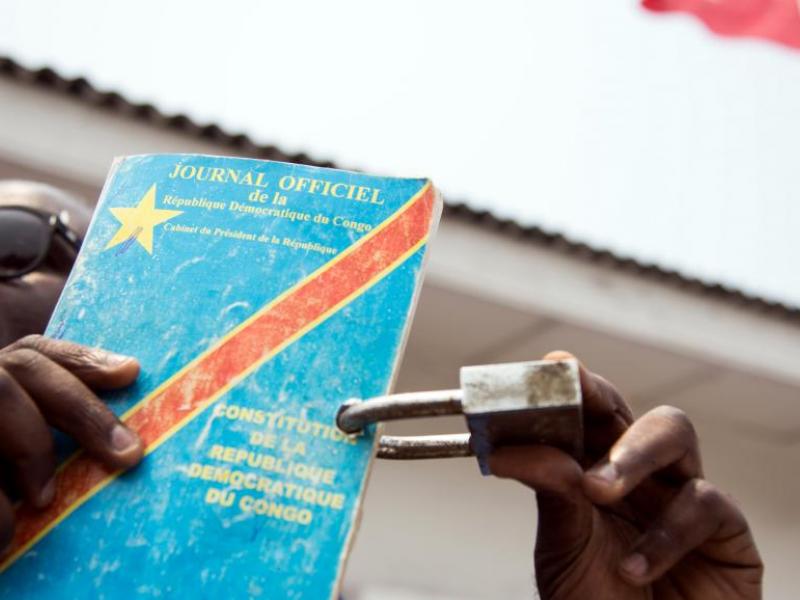
A youth-led movement in Kinshasa has set firm conditions for any constitutional reform in the Democratic Republic of Congo (DRC). The group, known as Nouvelle Génération Congolaise, held a press conference on June 2 to outline their stance on the ongoing debate surrounding constitutional changes.
three non-negotiable prerequisites
The organization emphasized that constitutional reform is a right, not a crime, but stressed that three critical conditions must be met before any changes are considered:
- clearly demonstrated necessity – there must be a compelling reason to amend the Constitution at this time
- broad national consensus – the reform must enjoy widespread support across all segments of society
- political stability – the process must occur in a peaceful and constructive national climate
demanding transparency and accountability
During the conference, Mukenge Totoro, spokesperson for the group, raised critical questions that remain unanswered: “Why change the Constitution now? What specific problems does this reform aim to solve? How will it improve the lives of Congolese citizens? Who stands to benefit most—the nation or certain political actors? And how can we ensure this strengthens democracy rather than serving private interests?”
He warned that without clear, transparent, and convincing responses to these questions, the debate will continue to fuel distrust and division within the country.
prioritizing the nation over politics
The youth group made it clear that their priorities lie with the Republic, stability, and the Congolese people. They called on young people to reject being used as mere political tools and instead become forces for reflection, constructive proposals, citizen oversight, and national transformation.
position on the “ville morte” protest
The movement acknowledged the right of citizens to protest, as guaranteed by the Constitution. While supporting the concept of opposition through both ideas and contestation, they urged all parties to pursue dialogue, constructive debate, and peaceful reform rather than confrontation.
This intervention comes at a time when political tensions in Kinshasa are running high, with opposition groups calling for a ville morte (ghost town) protest to reject the constitutional reform proposal.