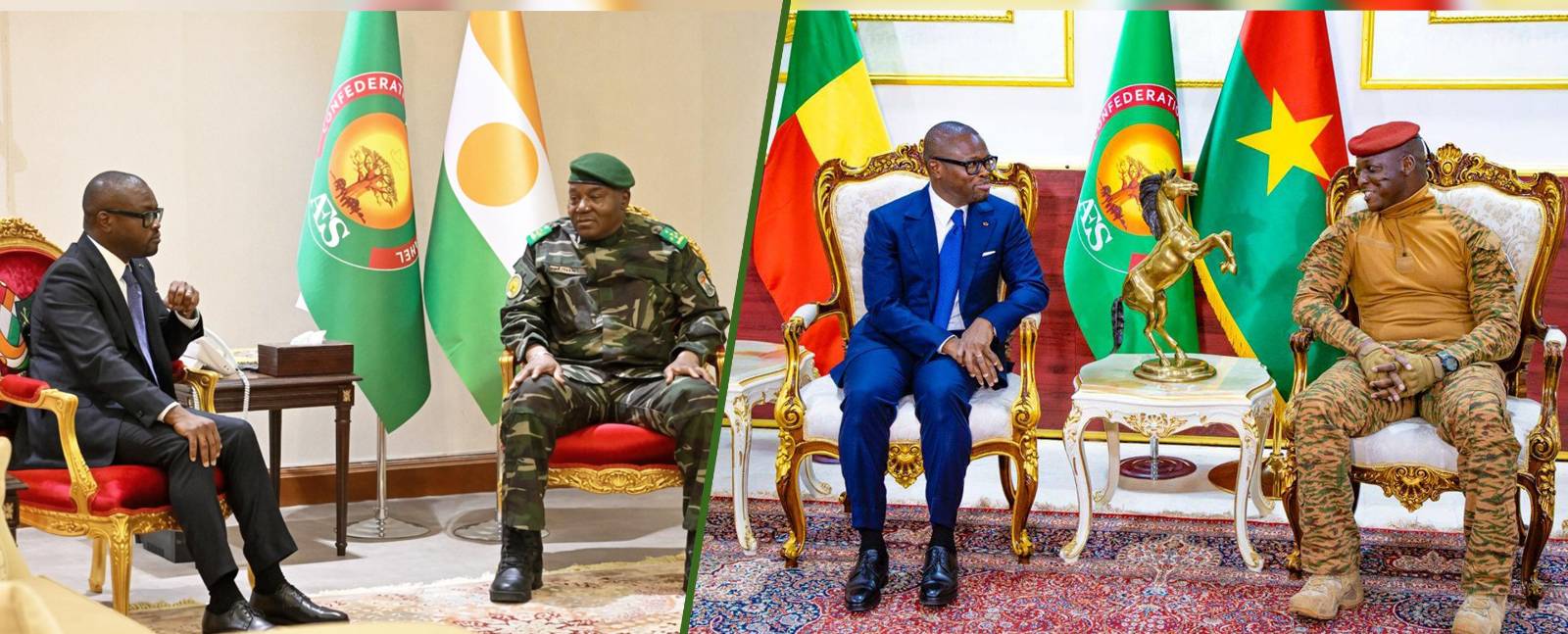
The recent official visits by Benin’s President Romuald Wadagni to Abuja (Nigeria), Niamey (Niger) and Ouagadougou (Burkina Faso) signal the start of a new chapter in cross-border relations. This shift reflects a shared recognition of the deep economic and security ties that bind these nations together in West Africa’s Sahel region.
Why economic interdependence drives diplomatic momentum
At the heart of this diplomatic thaw is a web of economic dependencies that have only grown stronger over time. For landlocked Niger and Burkina Faso, access to global markets hinges on the port infrastructure and transport networks of coastal countries, with Benin’s Cotonou-Niamey corridor and routes to Ouagadougou playing a pivotal role. Meanwhile, Benin’s economic health—particularly the activity at the Port of Cotonou and its logistics sector—relies heavily on the volume of goods transiting to and from Sahelian neighbors.
Energy ties further cement this relationship. The crude oil pipeline connecting Niger’s Agadem fields to Benin’s Sèmè-Kpodji terminal is a prime example of mutual reliance: Niger depends on Benin’s infrastructure to export its raw production, while Benin benefits from transit revenues. The establishment of an expert committee tasked with identifying and removing obstacles to free movement within 15 days underscores how critical these shared interests are to maintaining the region’s economic lifelines.
Security coordination in the W Park zone
The revival of direct diplomatic channels also addresses pressing security concerns. Burkina Faso, Niger and Benin share the W National Park—a vast, ecologically sensitive area that has become a hotspot for armed groups and cross-border crime. The resurgence of coordinated dialogue with Niamey and Ouagadougou is a response to the growing threat of asymmetric attacks, which no single country can counter alone.
Direct security talks enable better intelligence sharing, reduce misunderstandings between military forces, and reopen joint operations such as coordinated patrols and information exchanges. This collaborative approach is vital for safeguarding national borders, especially as instability in the Sahel continues to pose risks to regional stability.
Balancing regional alliances and sovereignty
The timing of these visits is strategic. The initial stop in Abuja—regional hub of the Economic Community of West African States (ECOWAS)—followed by meetings in Niamey and Ouagadougou, suggests a deliberate effort to serve as a bridge between ECOWAS member states and the Alliance of Sahel States (AES). In a period of shifting geopolitical alliances in West Africa, maintaining these bilateral negotiation channels is seen as key to reducing systemic risk, ensuring economic continuity, and protecting local communities.
The push for normalization isn’t just about policy—it’s grounded in hard realities. Geography, shared security threats, and the performance of cross-border infrastructure are forcing a pragmatic reassessment of how these nations can protect their interests while navigating the new realities of regional cooperation.