Bamako’s blockade risks severe humanitarian consequences
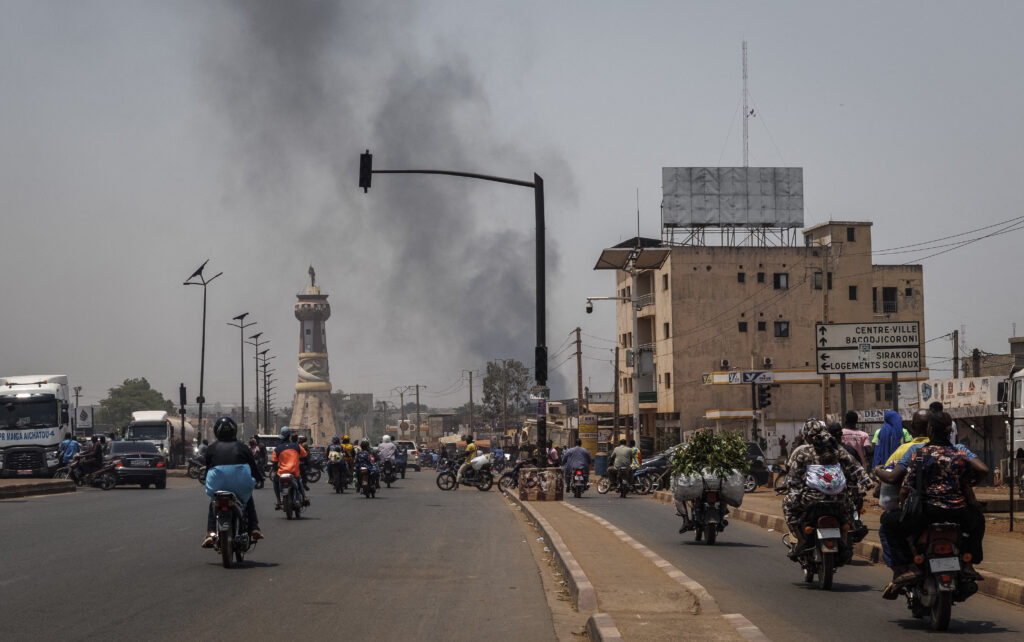
Bamako residents face grave threats to their fundamental rights, including food security, health, and life itself, as three major supply routes into the capital remain blocked. The Groupe de soutien à l’islam et aux musulmans (GSIM)—an Al-Qaïda-affiliated armed group—has enforced this blockade since April 28, escalating tensions after recent attacks on civilian convoys.
Civilian targets violate international law
On May 6, the GSIM targeted a civilian truck convoy transporting goods—including essential groceries—between Bamako and Bougouni. Witnesses confirmed no military personnel or equipment were onboard. Such attacks are unlawful under international humanitarian law (IHL), which prohibits targeting civilians or civilian infrastructure.
Marceau Sivieude, Amnesty International’s West and Central Africa Regional Director, emphasized: « Armed groups must distinguish between combatants and civilians at all times. Blockades cannot strip people of their economic and social rights—access to food, water, and medical supplies must be preserved. »
« Blockades must not violate the economic and social rights of the civilian population. The GSIM must comply with international humanitarian law and ensure Bamako’s residents have uninterrupted access to essential goods. »
Marceau Sivieude, Amnesty International
Widening restrictions deepen crisis
Initially, the GSIM’s blockade targeted fuel supplies, but by May 15, half of Bamako’s key trade routes were severed, cutting off vital links to regional ports. Residents and media report soaring prices for basic goods, compounding hardship for already vulnerable communities.
The United Nations High Commissioner for Human Rights (OHCHR) condemned the blockade on May 5, urging all parties to uphold IHL and protect civilians. The GSIM later announced a partial easing on May 6, permitting medical access to Bamako—but the group’s track record raises doubts about enforcement.
Deadly ambush exposes pattern of violence
A survivor of the GSIM’s January 29 attack on a military-escorted fuel convoy described a harrowing ordeal near Diboli. « Over 200 armed assailants on motorcycles ambushed us. After slaughtering civilians, they burned military vehicles and executed captured drivers, forcing them to dig graves before cutting their throats. »
Sivieude condemned the indiscriminate violence: « The GSIM’s repeated attacks on civilians warrant immediate investigation. Survivors deserve truth, justice, and reparations. Mali’s authorities must hold perpetrators accountable for potential war crimes. »
Recent escalation fuels instability
On April 25, coordinated GSIM and Front de libération de l’Azawad (FLA) attacks targeted military sites and political figures in Bamako, Kati, Mopti, and other cities. The assault on Defense Minister Sadio Camara’s home in Kati resulted in multiple fatalities. On May 6, further violence in Kori Kori and Gomassagou claimed at least 40 lives and left several missing, according to local reports.