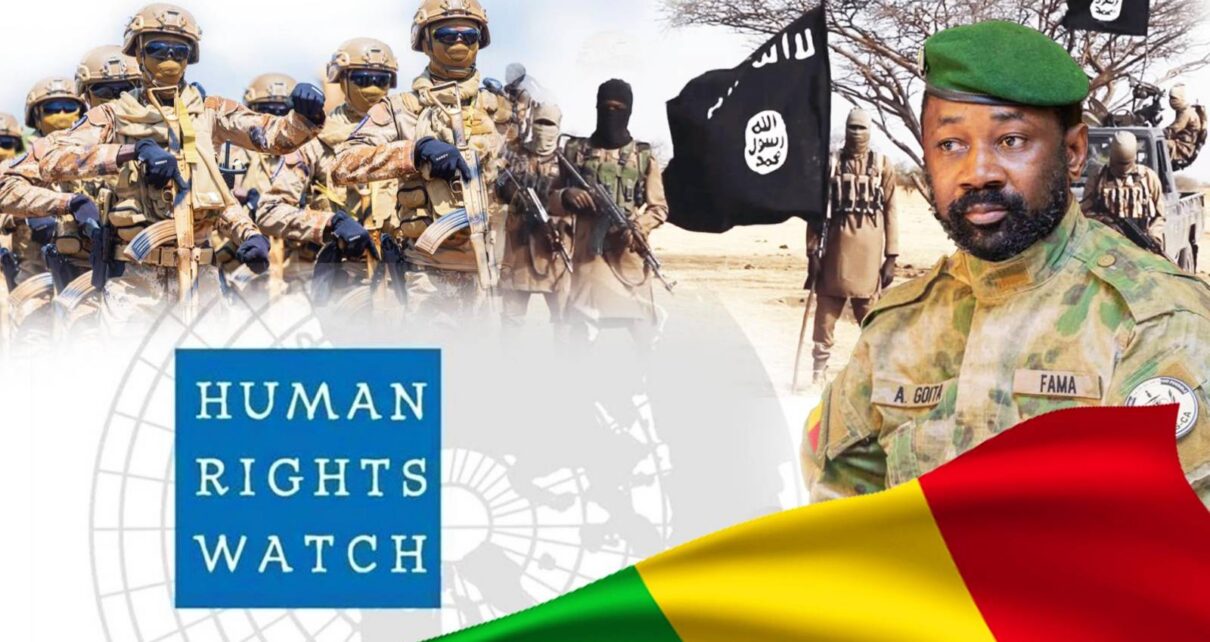
Since the dramatic military shift on April 25 in Mali, the nation has spiraled into a vortex of relentless violence. A scathing report reveals how the Malian Armed Forces (FAMa), allied with Russian-backed Africa Corps troops, and Islamic insurgent factions have escalated their brutality, leaving civilians trapped in a worsening humanitarian catastrophe.
The fall of Kidal and the unraveling of stability
April 2026 marked a turning point when a coordinated assault by the Group for the Support of Islam and Muslims (JNIM) and the Azawad Liberation Front (FLA) led to the capture of Kidal and the tragic loss of Defense Minister Sadio Camara. The government’s response was swift and brutal, with FAMa launching intense counteroffensives alongside Africa Corps instructors. While Bamako remains tight-lipped about civilian casualties, meticulous investigations reveal at least 13 deaths and 25 injuries in the initial clashes around Gao and Kidal alone.
Economic warfare: the silent siege on Mali’s lifelines
The JNIM has shifted its tactics from conventional combat to economic strangulation, targeting Mali’s supply routes to exert pressure on the capital. Between May 6 and 21, over 40 civilian transport vehicles were torched, cutting off essential goods. The systematic targeting of fuel tankers since September 2025 has crippled fuel distribution, leaving entire regions in darkness and paralyzing local economies.
The insurgents’ brutality extends to psychological warfare, as seen in the public execution of a civilian in Tonka, near Tombouctou, to suppress dissent. These actions have plunged communities into despair, with schools shuttered and markets deserted due to fuel shortages and inflation.
FAMa and Africa Corps: collateral damage and civilian suffering
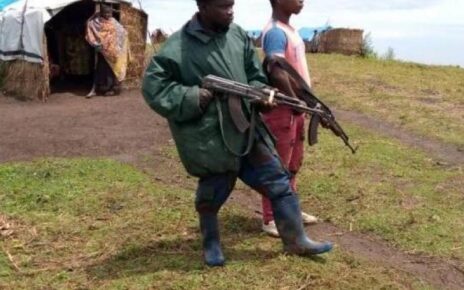
The Malian government’s countermeasures have not spared civilians either. Reports document systematic abuses during security operations in central Mali, particularly against the Fulani community, often indiscriminately linked to insurgent groups. Between May 14 and 17 alone, 38 civilians—including 23 children—were killed in ground raids.
The human toll of drone strikes has been equally devastating:
- Guimbé (April 25): A drone strike claimed the lives of 12 children and adolescents.
- Téné (May 17): A wedding ceremony was struck, resulting in 10 civilian fatalities.
No accountability, no resolution
The JNIM justified its actions by claiming civilians targeted had defied its imposed regulations. Meanwhile, Mali’s Ministry of Justice has remained conspicuously silent, failing to address inquiries or grant the right of reply to human rights monitors.
An urgent call for justice
Human rights experts warn that the absence of accountability is fueling the crisis. With the former UN peacekeeping mission no longer present, impunity reigns supreme. The international community is now urged to establish an independent fact-finding mission to gather evidence for future prosecutions, as the humanitarian toll continues to mount.