Mali: la population sous blocus crie famine, le gouvernement refuse de négocier avec les «terroristes»
Addressing the diplomatic corps in Bamako, Mali’s Foreign Minister, Abdoulaye Diop, responded to calls from some local political factions for dialogue with jihadist groups controlling parts of the country. Diop unequivocally stated, «I must clarify that the government has no intention of engaging in dialogue with armed terrorist groups, who operate without faith or law, and are responsible for the tragic events our populations have endured for years.»
This firm declaration indicates that the current strategy for Mali’s government is direct military confrontation. In line with this approach, Mali has reportedly received additional Russian military hardware, according to regional sources.
In the northern regions, a primary objective for the Malian authorities is to regain command of Kidal, a city now under the control of various armed factions. This strategic priority likely explains why Russian mercenaries and the Malian army, after withdrawing from two other locations in the Kidal region, have established and strengthened their presence in Aguelhok, another key town in the same area.
Further south, the immediate focus is on clearing all major roads obstructed by jihadists, who have imposed new blockades. As of this Saturday, hundreds of vehicles, passengers, and essential goods remained stranded across different parts of the nation due to these ongoing disruptions.
Blockades severely impact local populations, sparking humanitarian crisis
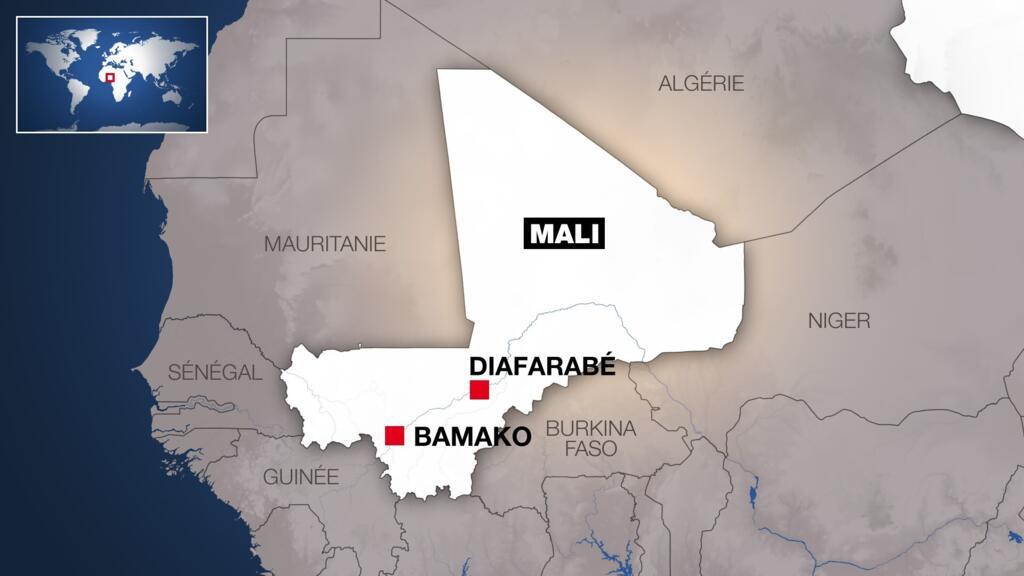
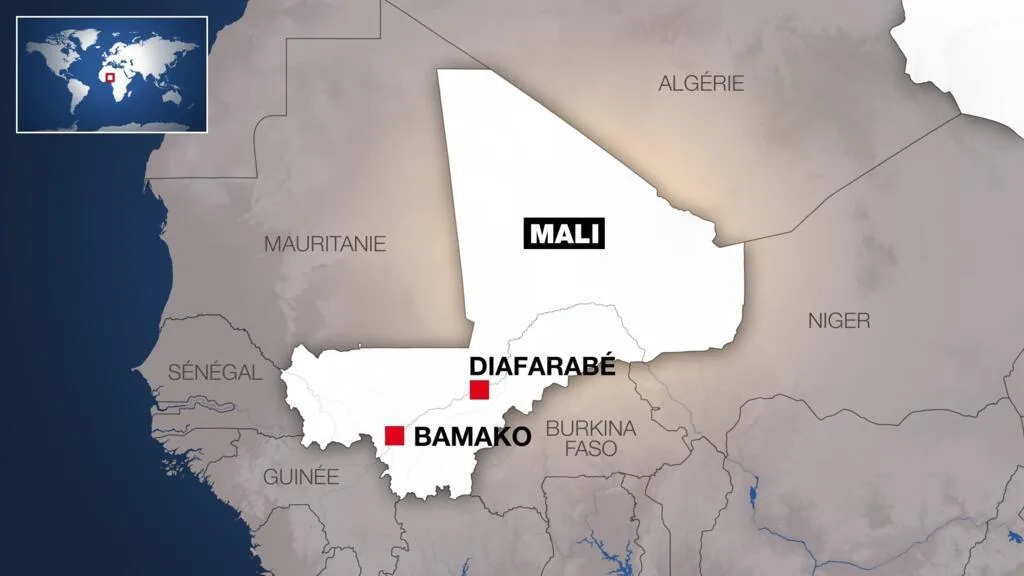
In Diafarabé, located in the Mopti region of central Mali, the humanitarian situation continues to be dire. The town has been under a tight blockade by the Jama’at Nusrat al-Islam wal Muslimin (Jnim) for nearly a year, specifically since May 12, 2025.
A plea for assistance directed at the transitional authorities last Saturday, disseminated through a widely shared video on social media, has yet to yield any relief, according to residents contacted. The scarcity of food and fundamental necessities has reached a critical point. With dwindling food supplies, minimal medicine, and inadequate healthcare, the population is exhausted by the relentless blockade. Amidst fear, severe shortages, and isolation, residents describe living in profound despair, as articulated by one inhabitant reached by phone:
«No one can enter, no one can leave. The blockade is absolute. All the provisions we had here are gone. Famine is setting in. We spoke with the military detachment leaders. They promised to send us food via an upcoming convoy, but we are still waiting. This discussion happened after a protest by youths and women. Now, it’s truly despair! There is nothing left! Before, during the flood season, we managed to bring in some food by river, little by little, despite all the risks involved. I myself was shot during one of those attempts; I suffered a fractured arm. Today, I am much better. But here, it’s pure survival. Our only wish is to have food. That’s all we want for now.»