A new blow to Mali’s security apparatus as jihadists seize a critical outpost
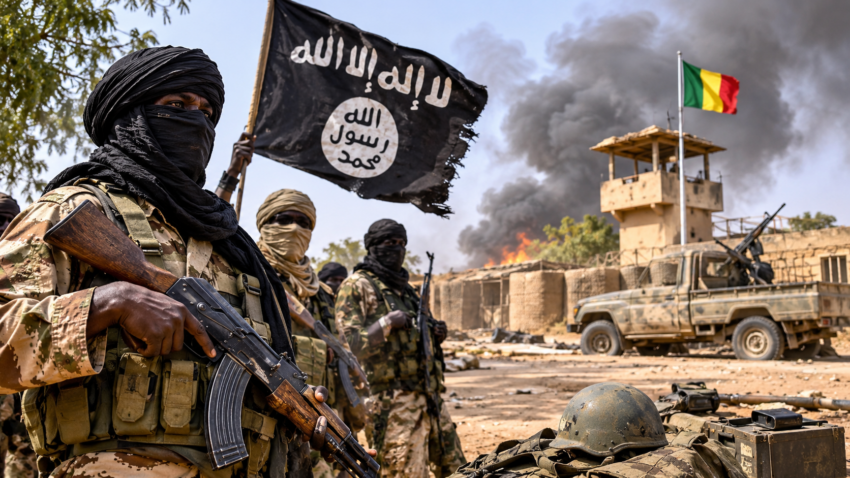
The already fragile security landscape in central Mali has taken another severe hit. On the morning of October 31, 2026, fighters from the Group for the Support of Islam and Muslims (JNIM) launched a targeted assault on a fortified position near Bayman in the Mopti region. The site, previously held by pro-government militias, fell to the jihadist group, which claims to have neutralized several fighters and taken full control of the outpost.
Unverified claims and a growing crisis of confidence
The official toll of the operation remains unclear. While JNIM asserts that multiple opponents were killed, no independent source has confirmed these figures. The lack of transparency surrounding casualties and potential prisoner exchanges further deepens concerns about the true scale of the setback.
This ambiguity mirrors recent military reversals that have left military leadership scrambling to reassess its strategies. Only weeks ago, September 10, 2026, saw another devastating blow in Dioura, where an estimated 100 Malian soldiers and five Russian paramilitaries were killed in a coordinated jihadist attack. Dozens more were reportedly captured, underscoring the persistent vulnerabilities within the country’s defense framework.
Alliances tested as military partnerships fail to deliver results
Since May 2026, military authorities in Bamako have issued regular updates on counter-terrorism operations. Official statements claim over 4,800 jihadists neutralized and more than 850 airstrikes conducted. Yet, these metrics tell only part of the story. Despite such figures, major offensive capabilities of armed groups remain intact, and strategic positions continue to fall under jihadist control.
The contrast between reported successes and on-the-ground realities raises pressing questions. How effective can alliances with foreign military partners truly be when entire regions remain vulnerable to insurgent advances? The situation in Bayman, if confirmed, would mark another operational failure for forces aligned with the interim government, further straining an already fragile security balance.
The human and economic toll of unchecked insecurity
The consequences of these military setbacks extend far beyond the battlefield. Local communities face mounting risks as insurgents tighten their grip on key territories. Disruptions to agricultural production, essential for regional stability, threaten food security for thousands. Businesses hesitate to operate in high-risk zones, stifling economic recovery efforts in central Mali.
With each new attack, the question looms larger: how long can the Malian government sustain its security commitments when the infrastructure of defense appears increasingly strained?
What lies ahead for Mali’s counter-terrorism strategy?
As authorities struggle to provide credible assessments of recent losses, the need for a reevaluation of military strategy becomes undeniable. The persistence of jihadist offensives despite heavy counter-measures suggests fundamental flaws in coordination, intelligence, or execution. Whether through expanded local alliances, enhanced training, or revised operational tactics, a sustainable solution must address the root causes of these recurring failures.
The fate of Bayman now hangs in the balance, serving as a stark reminder of the high stakes at play both for Mali’s sovereignty and the safety of its people.
By Cécile Mboua — Journalist