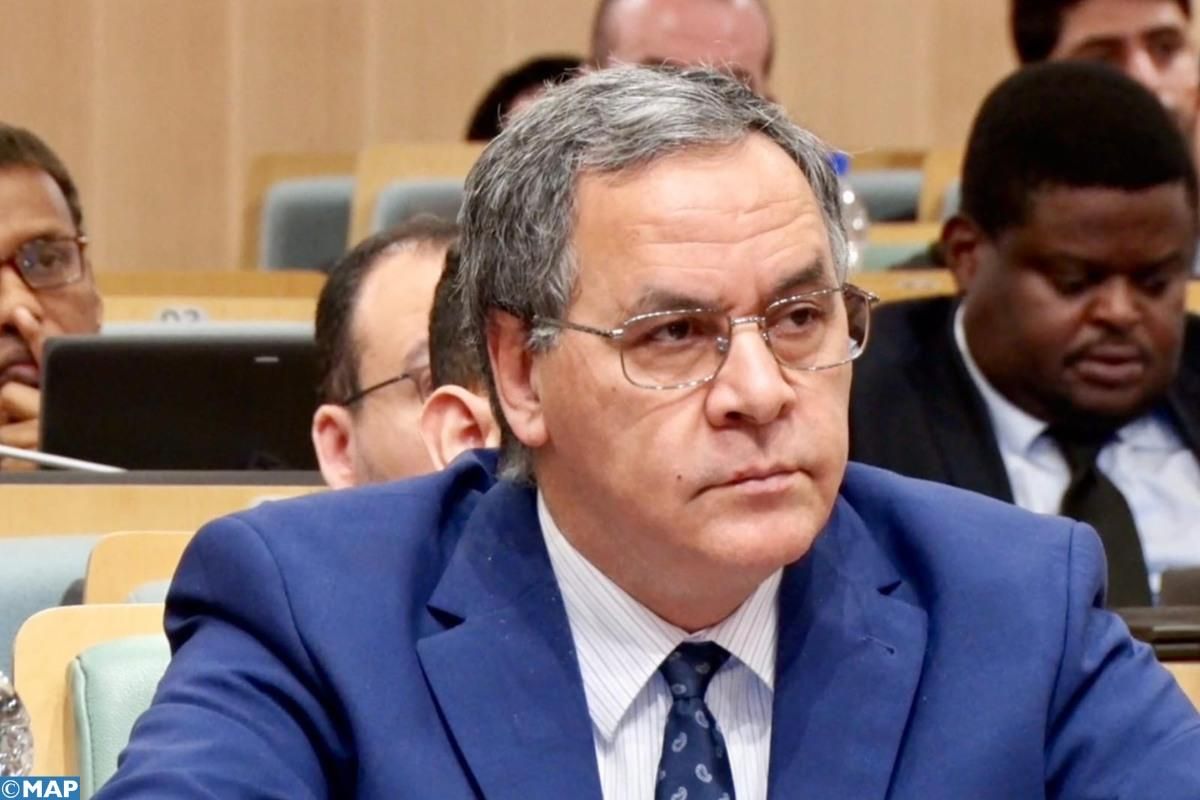
Humanitarian engagement sits at the very core of Morocco’s diplomatic strategy and its collaborative efforts across the continent, reflecting the strategic vision established by King Mohammed VI. This position was clearly articulated during a session of the African Union Peace and Security Council (AU PSC) by Mohamed Arrouchi, the Kingdom’s Permanent Representative to the AU and UNECA.
In his capacity as the AU Champion on migration issues, the Kingdom has consistently integrated humanitarian principles into its foreign policy. This commitment involves dedicated efforts to mitigate the impact of various crises affecting different regions of Africa, ensuring that support is provided wherever it is needed most.
A comprehensive and sustainable humanitarian strategy
The Moroccan approach extends beyond traditional emergency relief or the deployment of temporary medical facilities. Instead, it is built upon a comprehensive strategy that prioritises long-term, sustainable solutions for vulnerable populations. This framework is supported by principles of co-development, the exchange of technical expertise, and the implementation of regional best practices.
Crucially, this strategy addresses the growing challenges posed by environmental shifts and desertification. These factors are already contributing to a rise in climate-related displacement across the continent. Morocco’s involvement is paired with a firm demand for responsible governance within the humanitarian sector to ensure maximum impact.
Ensuring transparency and effective aid delivery
The primary objective remains ensuring that aid reaches its intended recipients directly. There is a strong emphasis on preventing the diversion or exploitation of resources, which can undermine the integrity of humanitarian missions. Furthermore, the Kingdom advocates for a multifaceted response that links humanitarian aid with conflict prevention, mediation, and sustainable peacebuilding to address the root causes of forced migration.
Building resilience within communities hit by natural disasters, climate shocks, or conflict is also a priority to reduce future vulnerabilities. This requires enhancing African capabilities in risk assessment and early warning systems tailored to the specific needs of the continent.
Addressing the root causes of displacement
To improve efficiency, there is an urgent need for better data management regarding refugees and internally displaced persons. By utilizing verified and updated information, resources can be allocated more effectively. The current landscape in Africa is particularly challenging, with significant numbers of people fleeing conflict and climate-driven instability, alongside economic pressures and food insecurity.
Given the scale of these needs, the current collective response has often been found wanting. The focus must now shift toward pragmatic, operational solutions and proactive strategies that can pave the way for a more robust African humanitarian order, prioritising preventive measures over reactive responses to complex shocks.